



Bespoke Made to Order Wall Lights
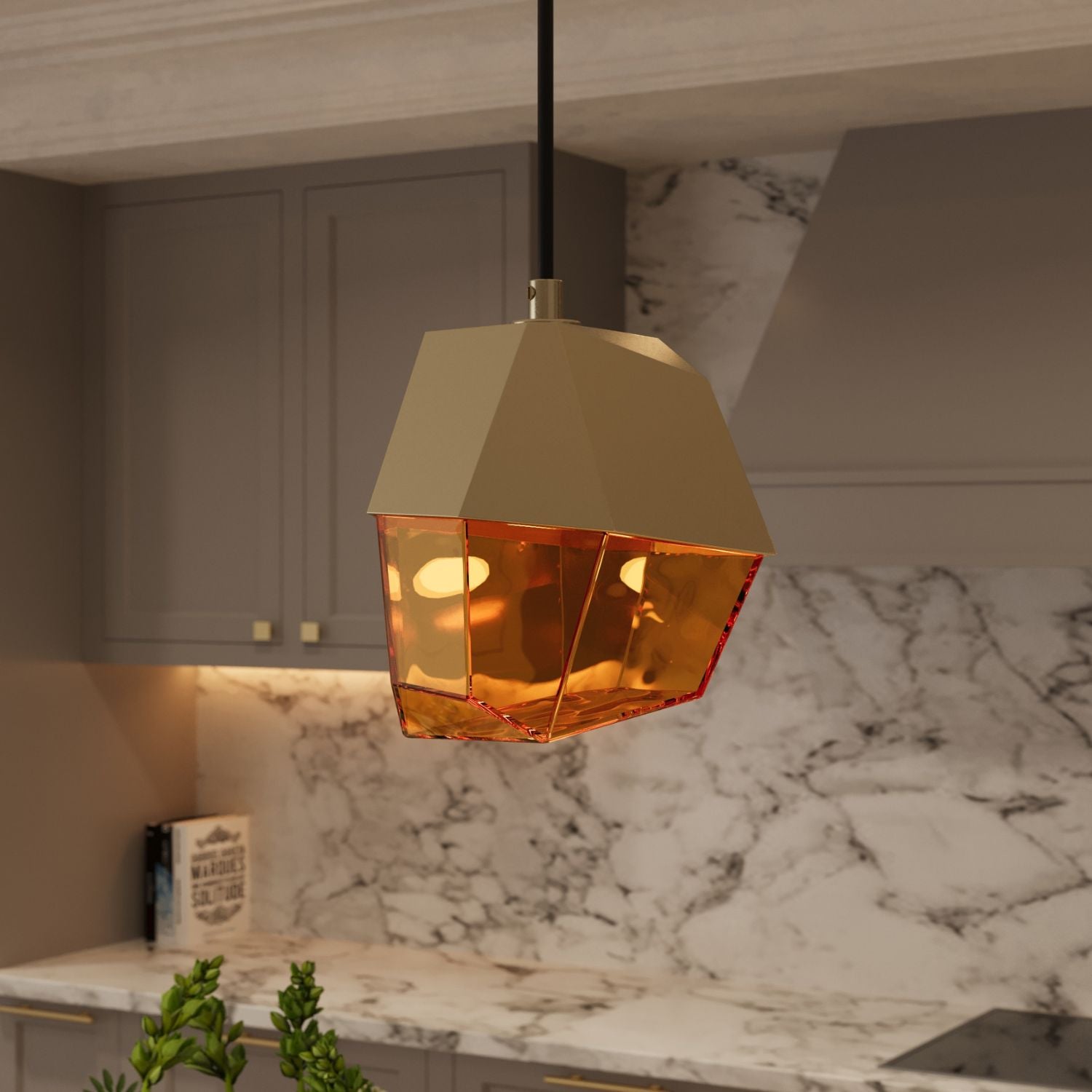
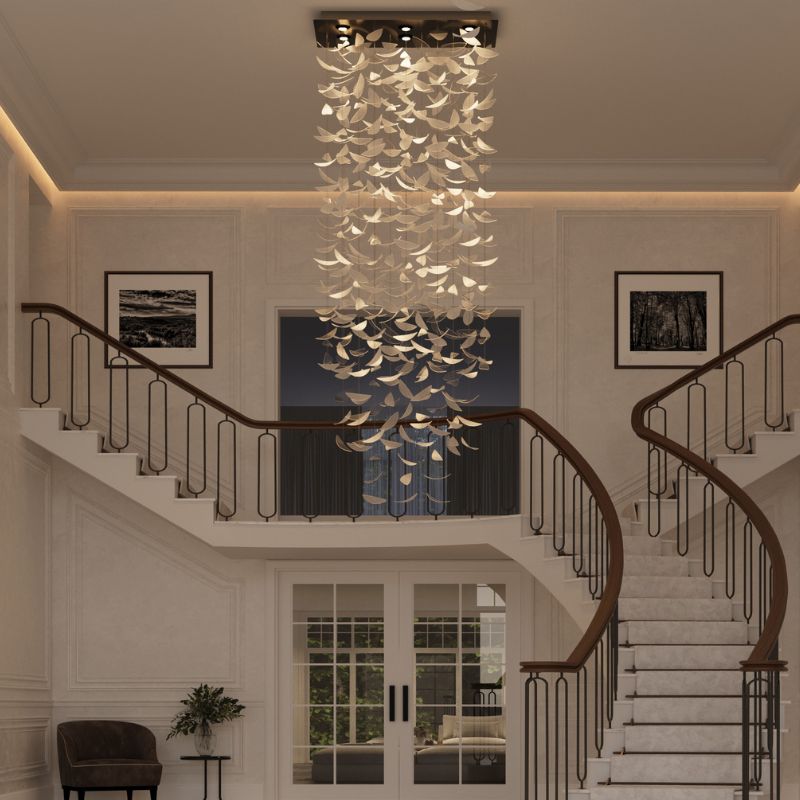
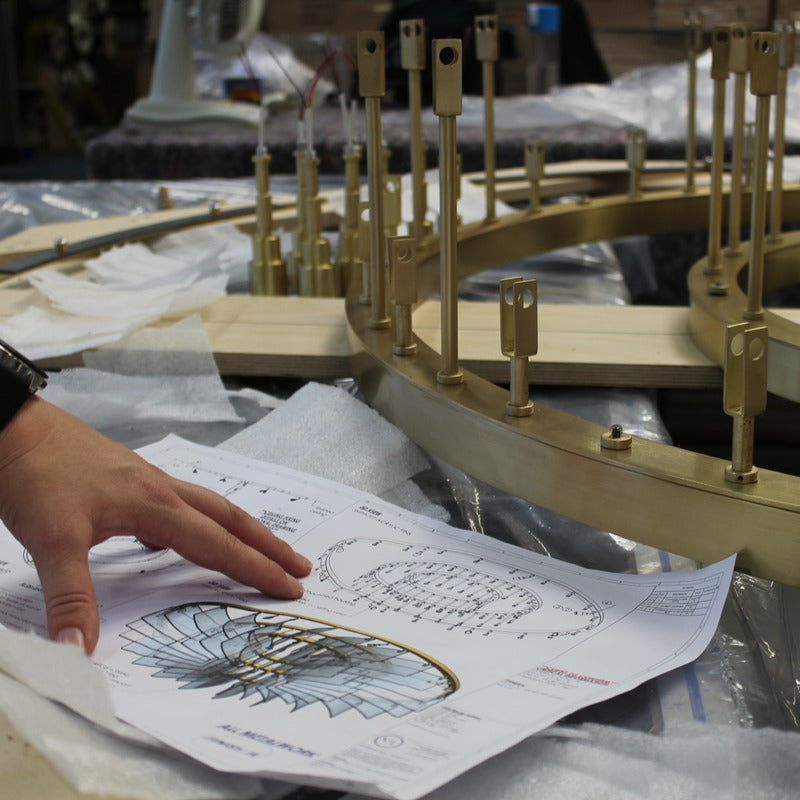
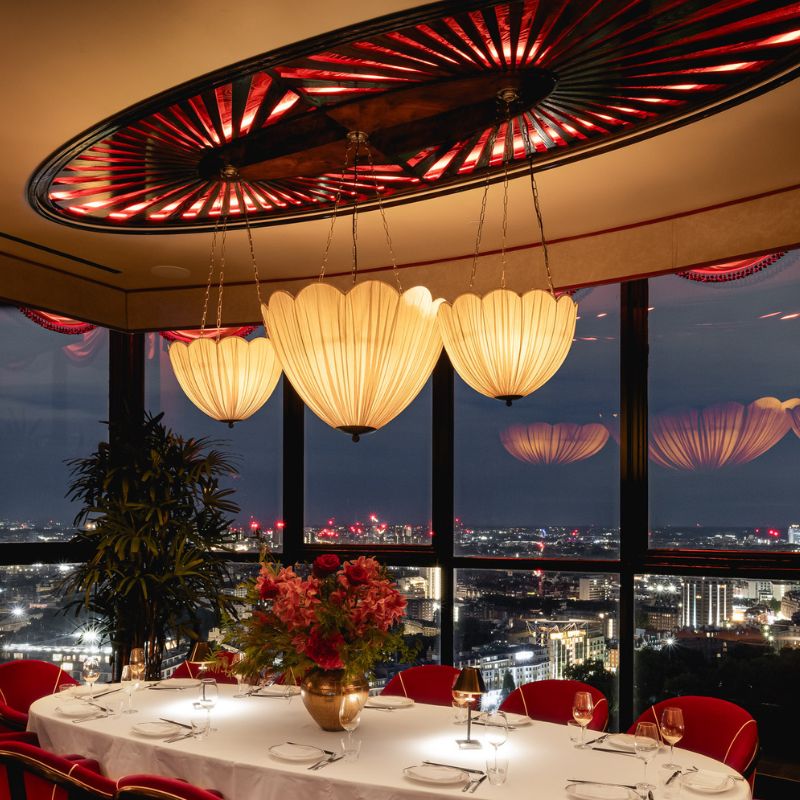
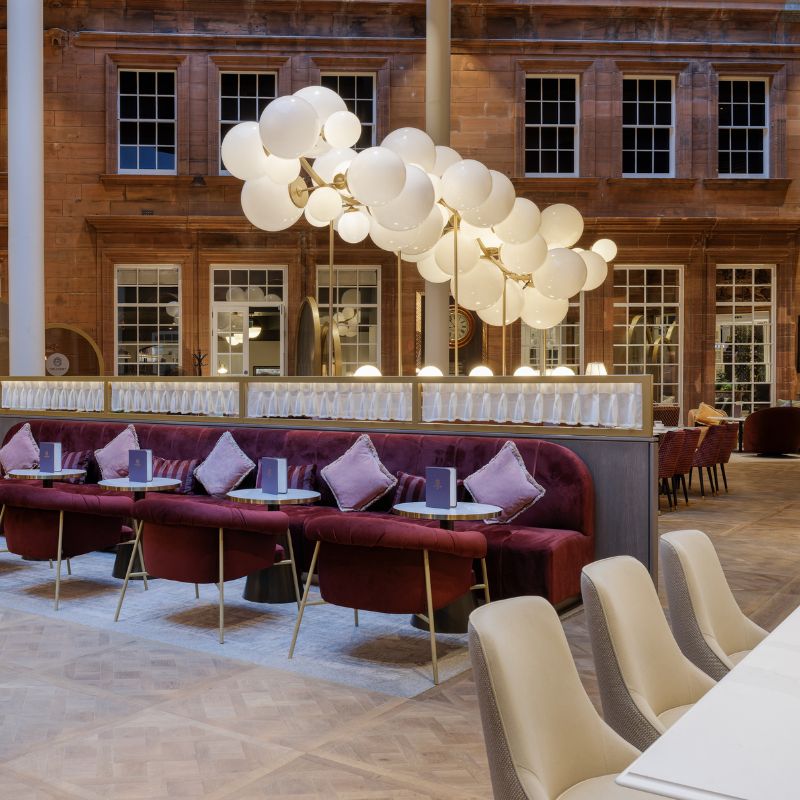
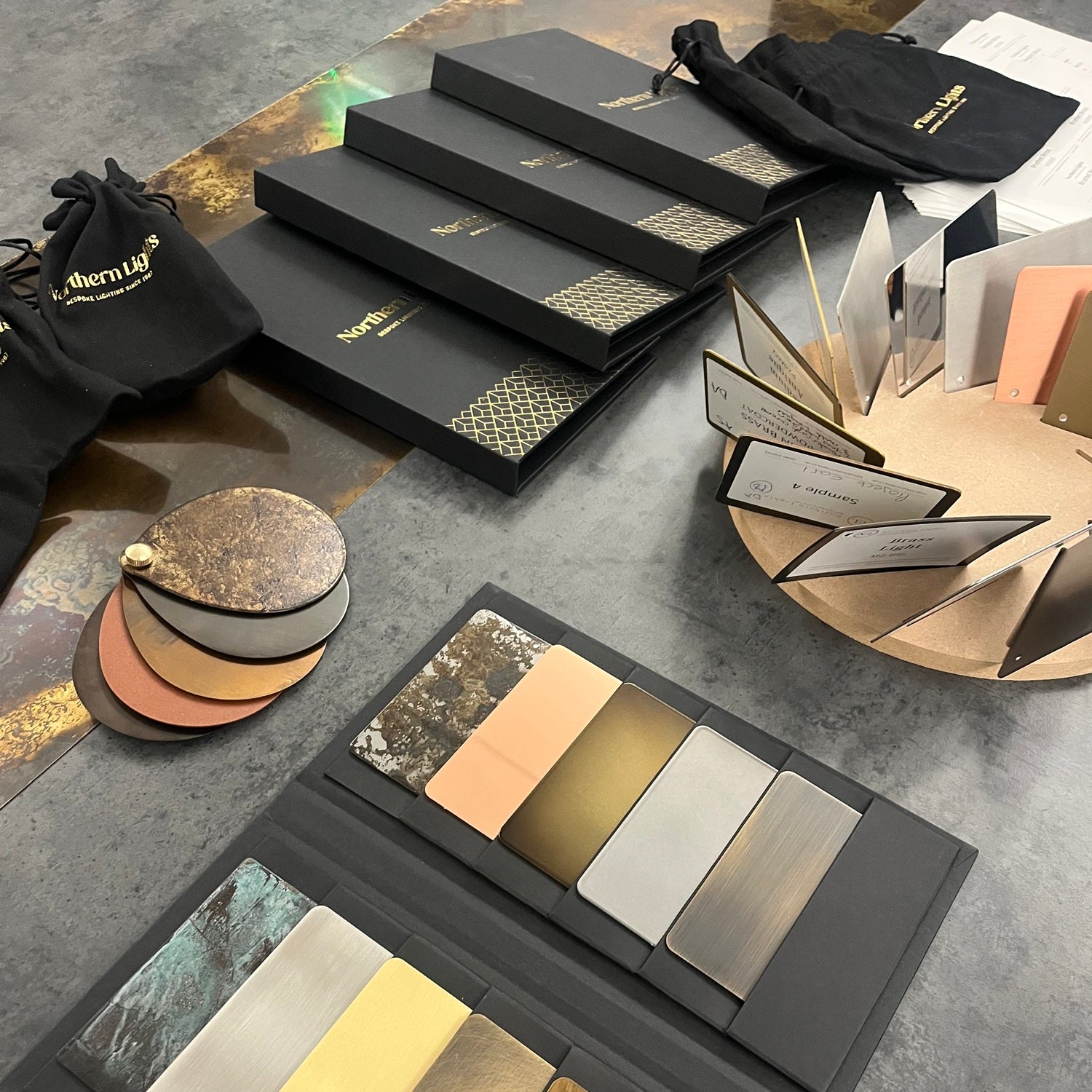
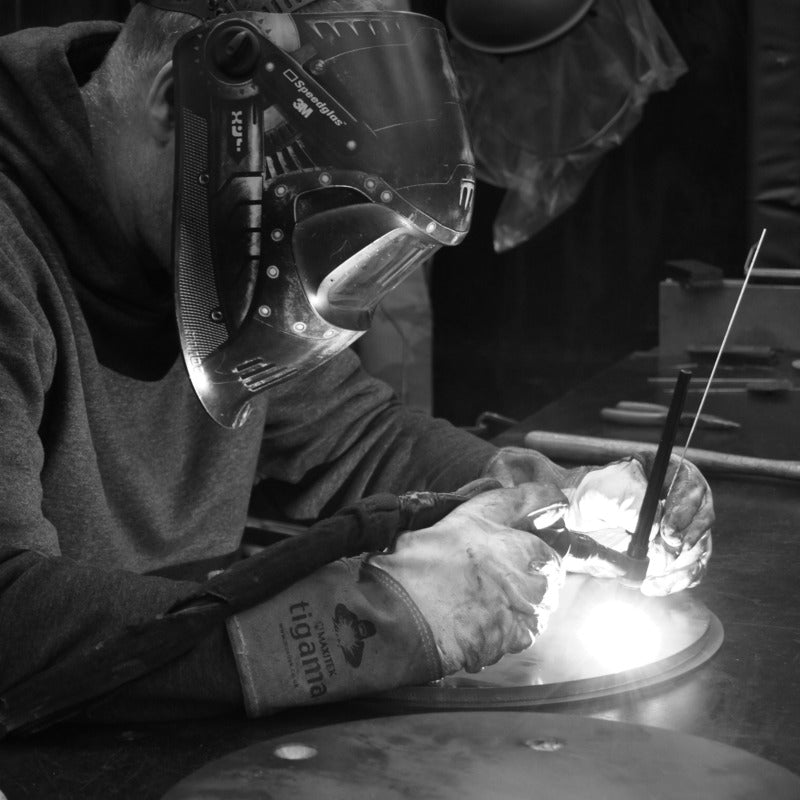
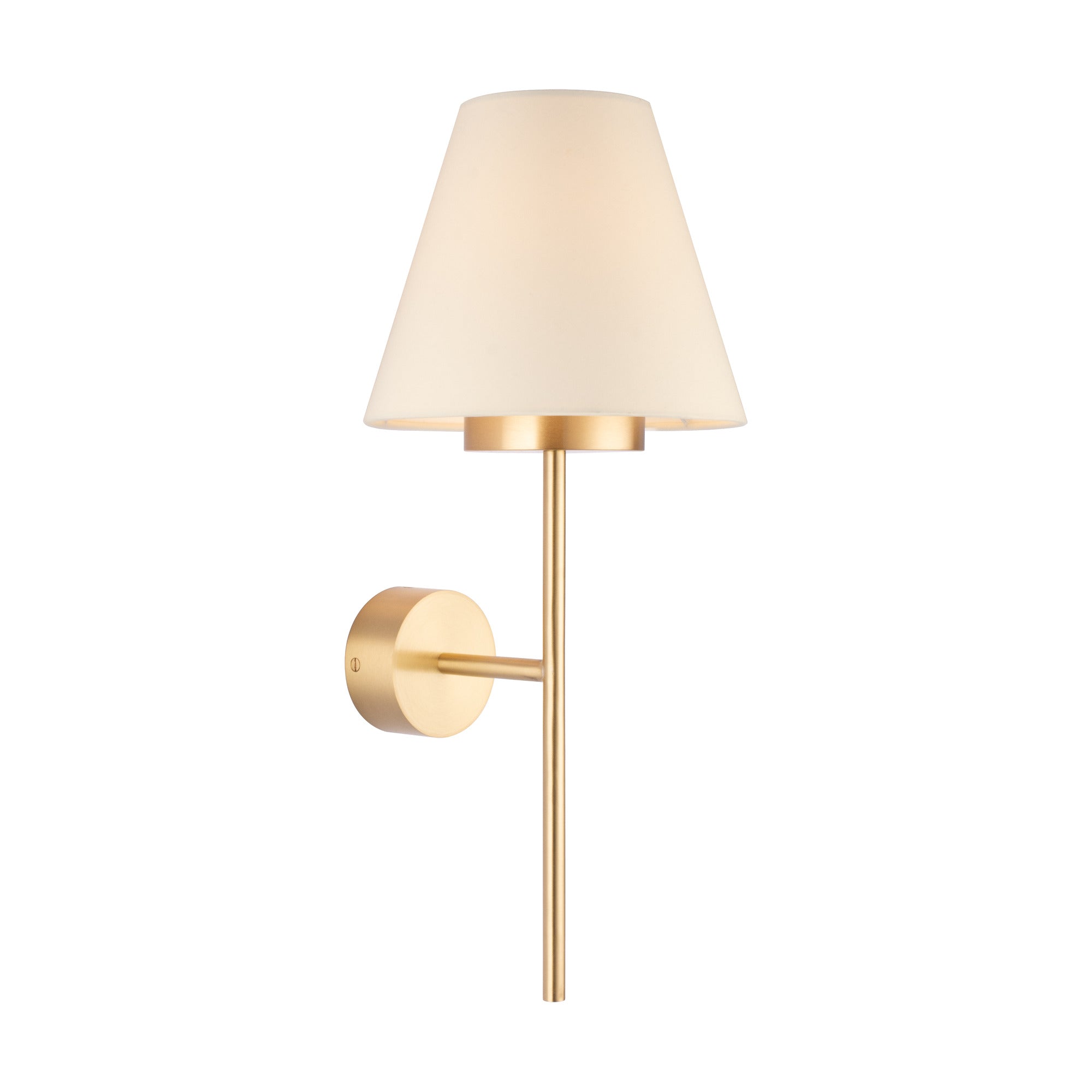
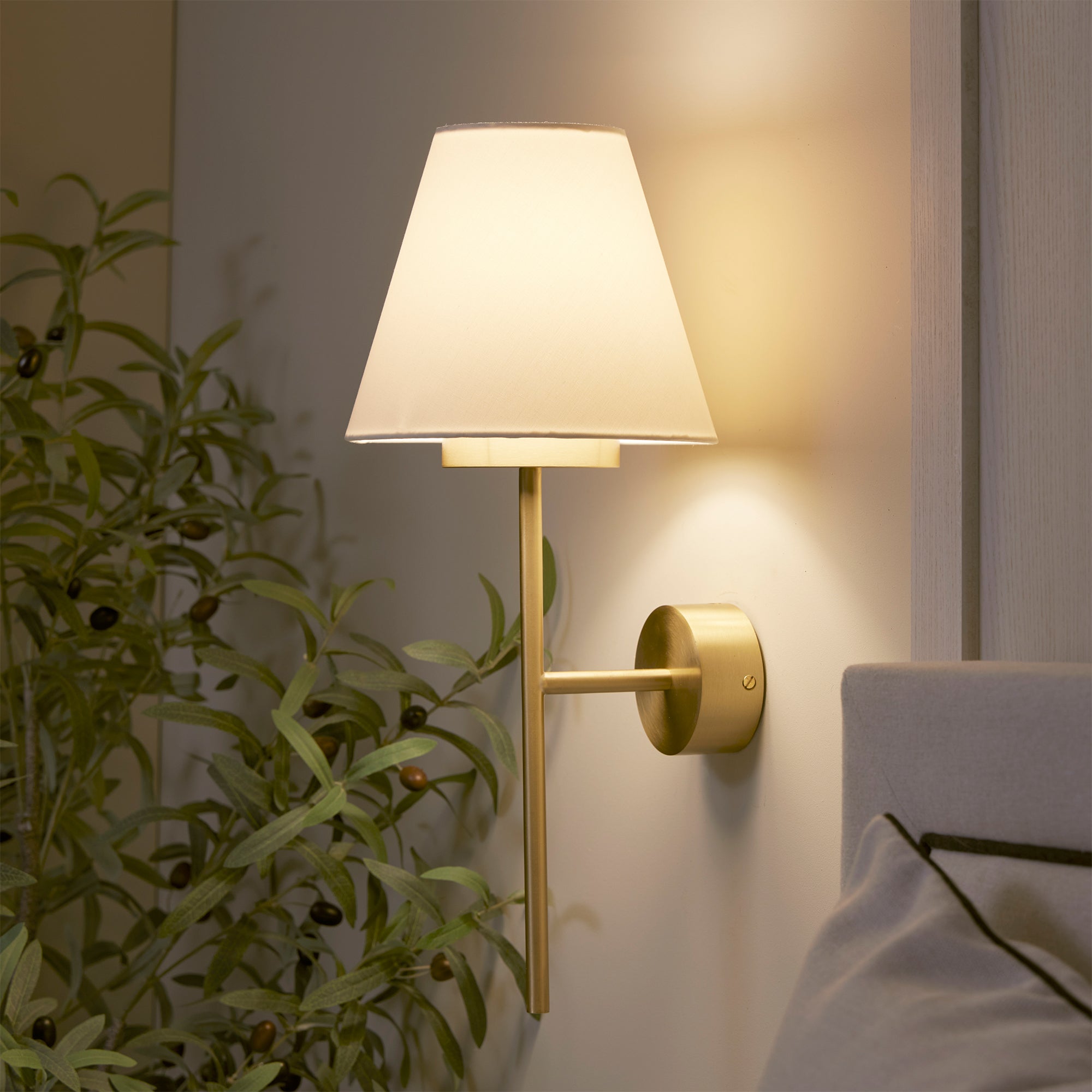
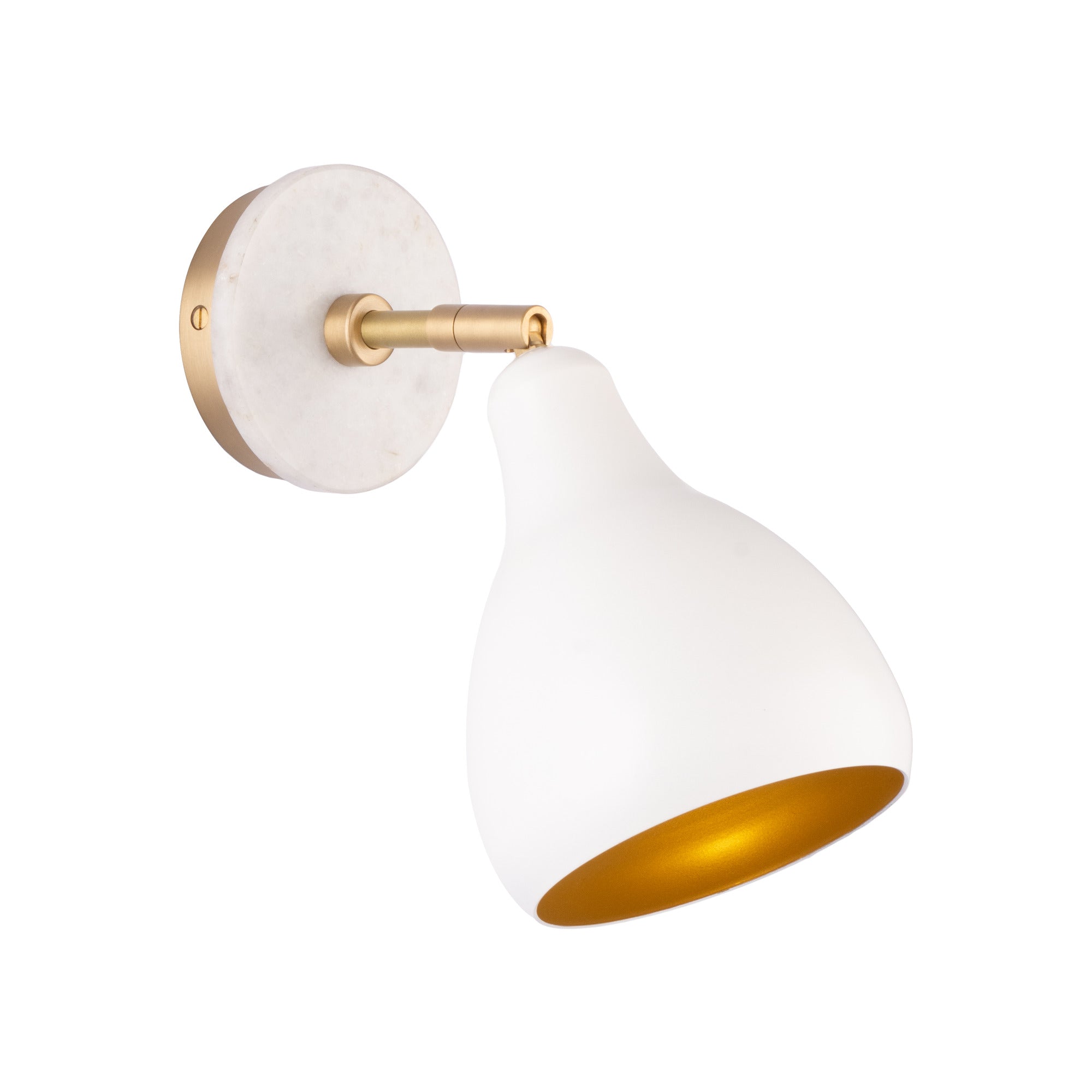
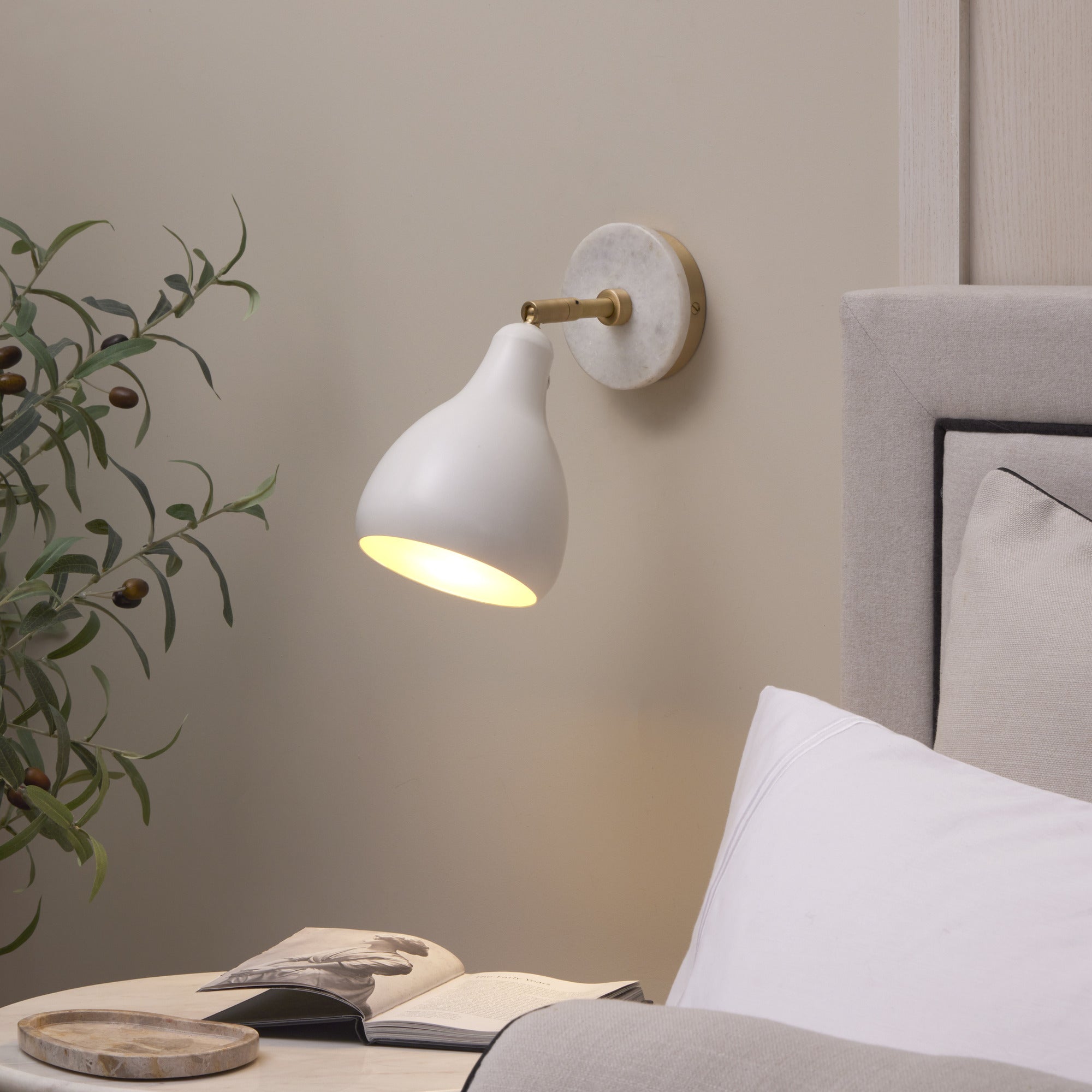
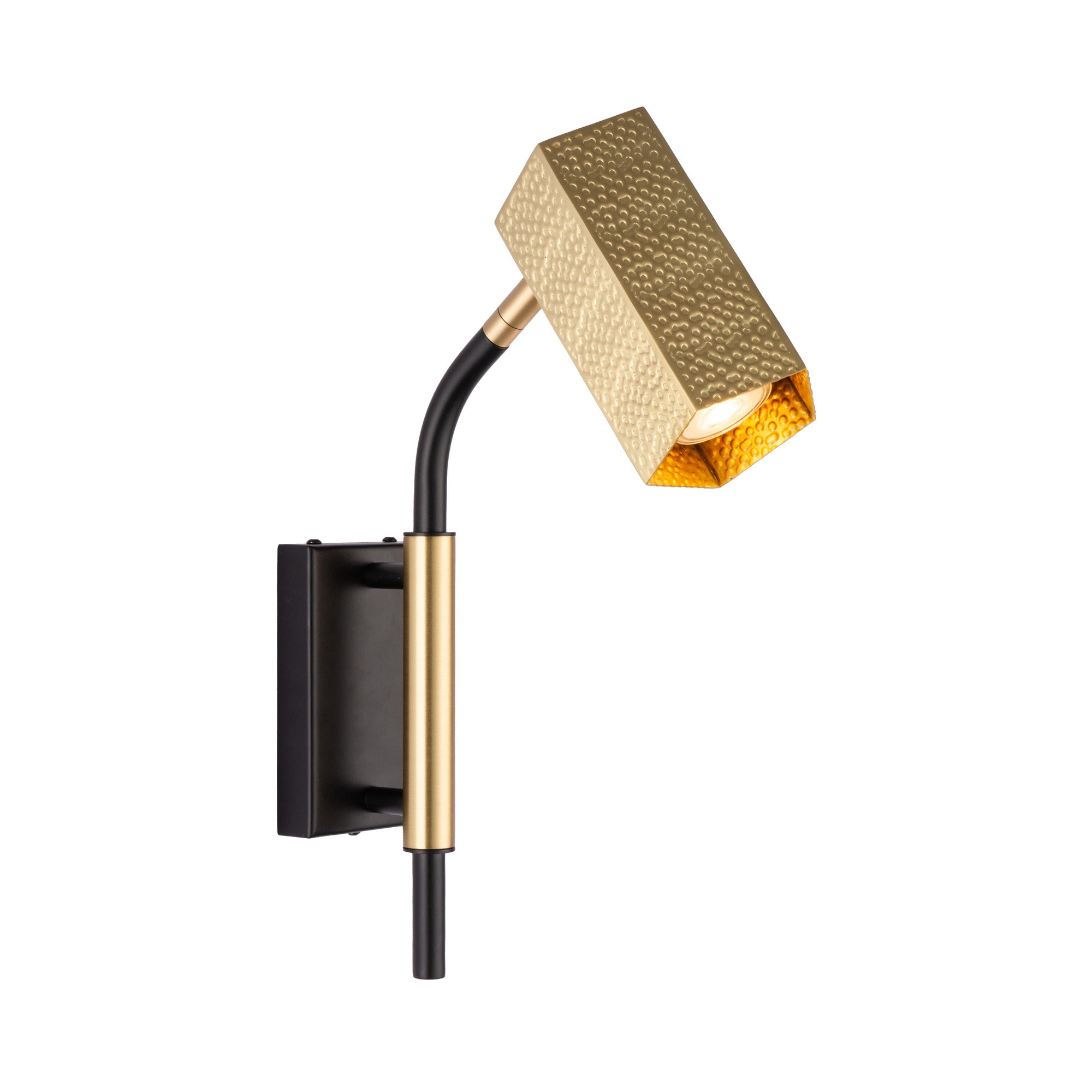
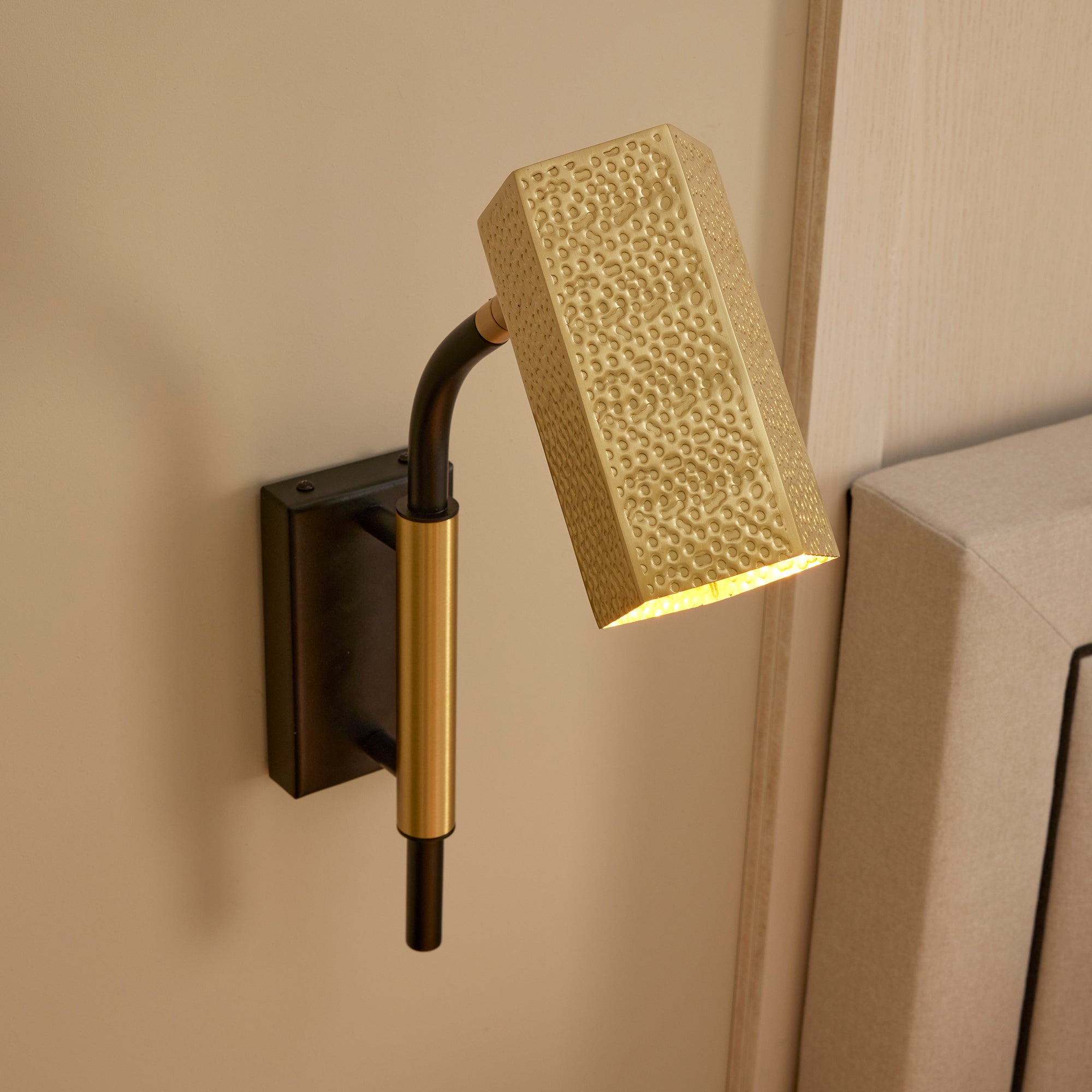
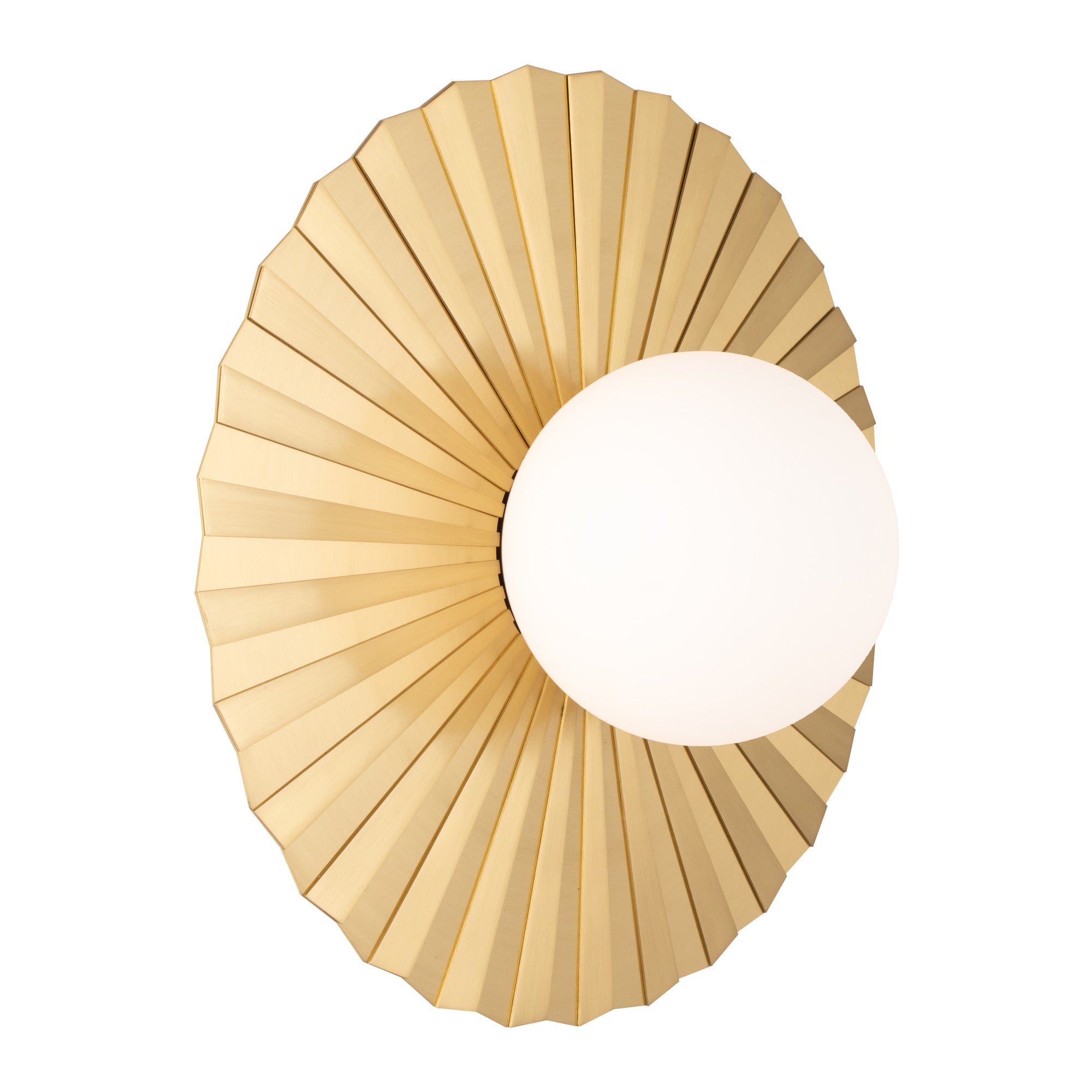
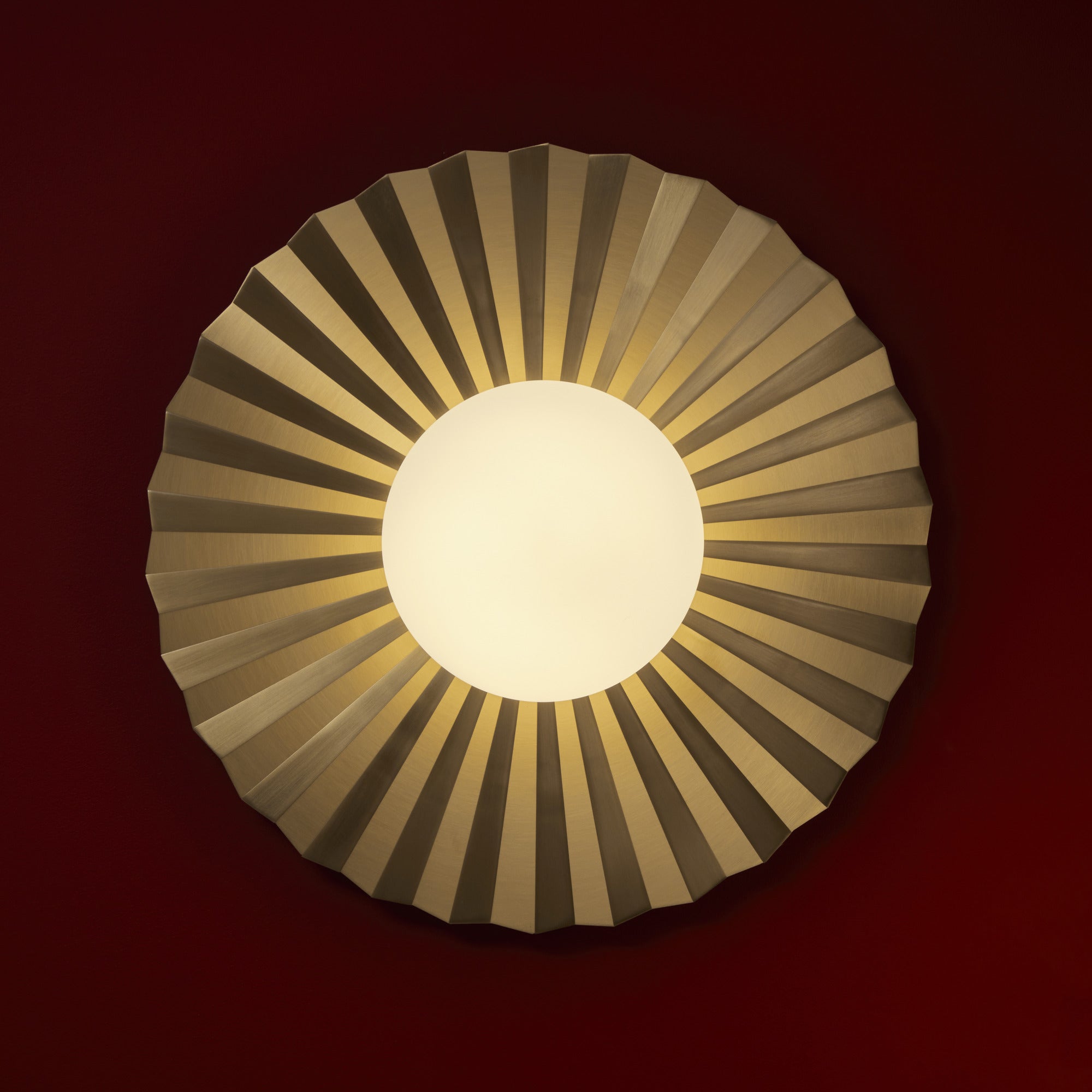
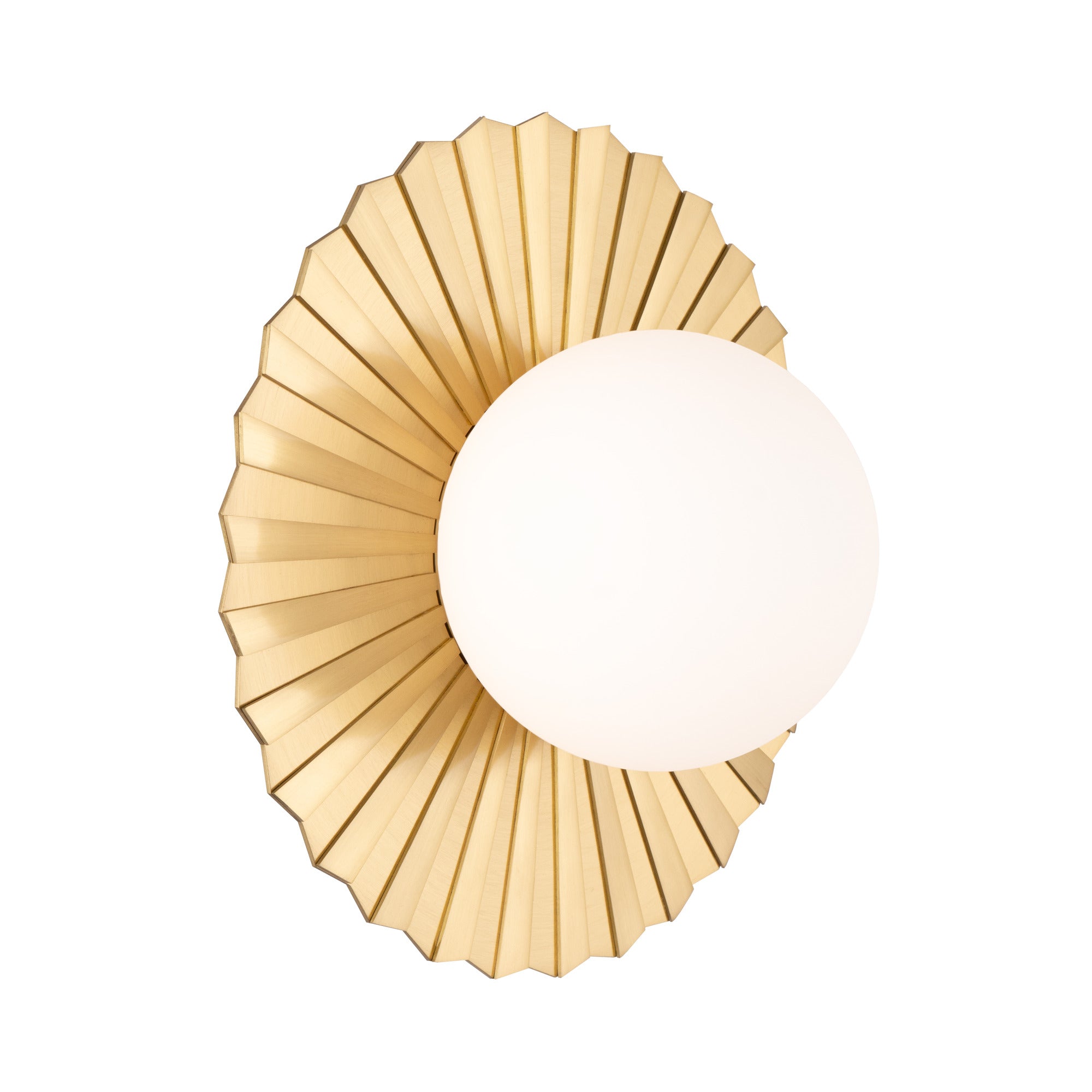
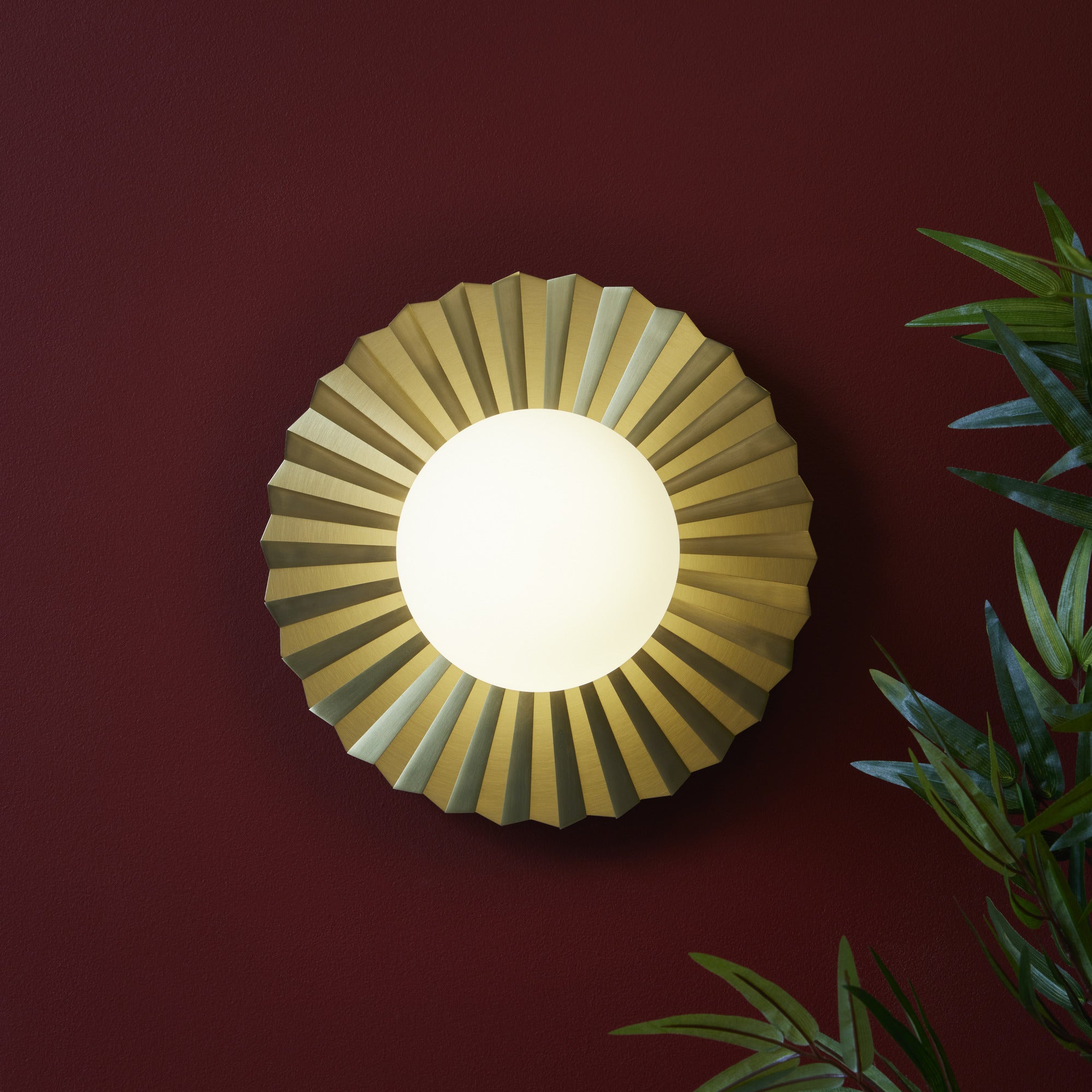
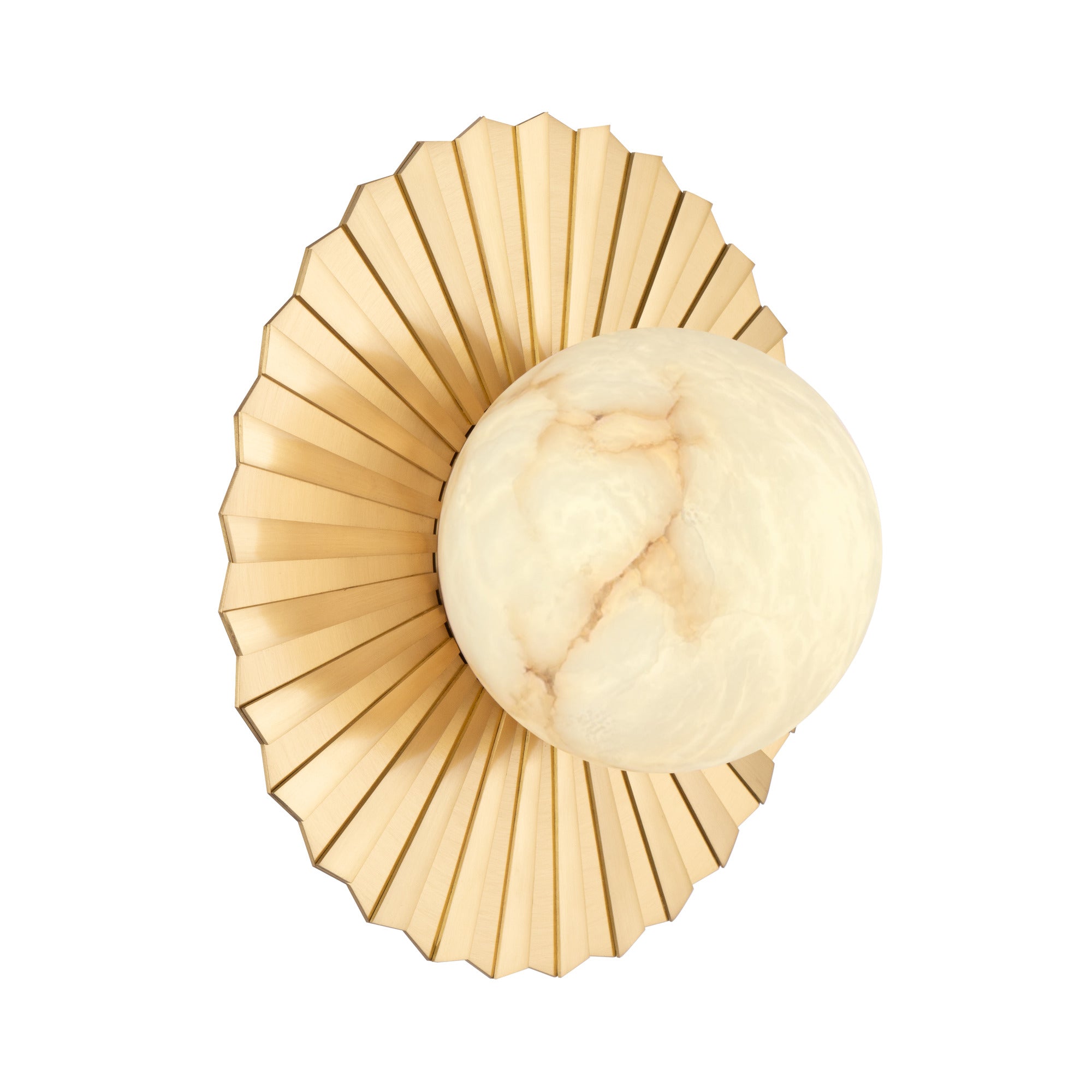
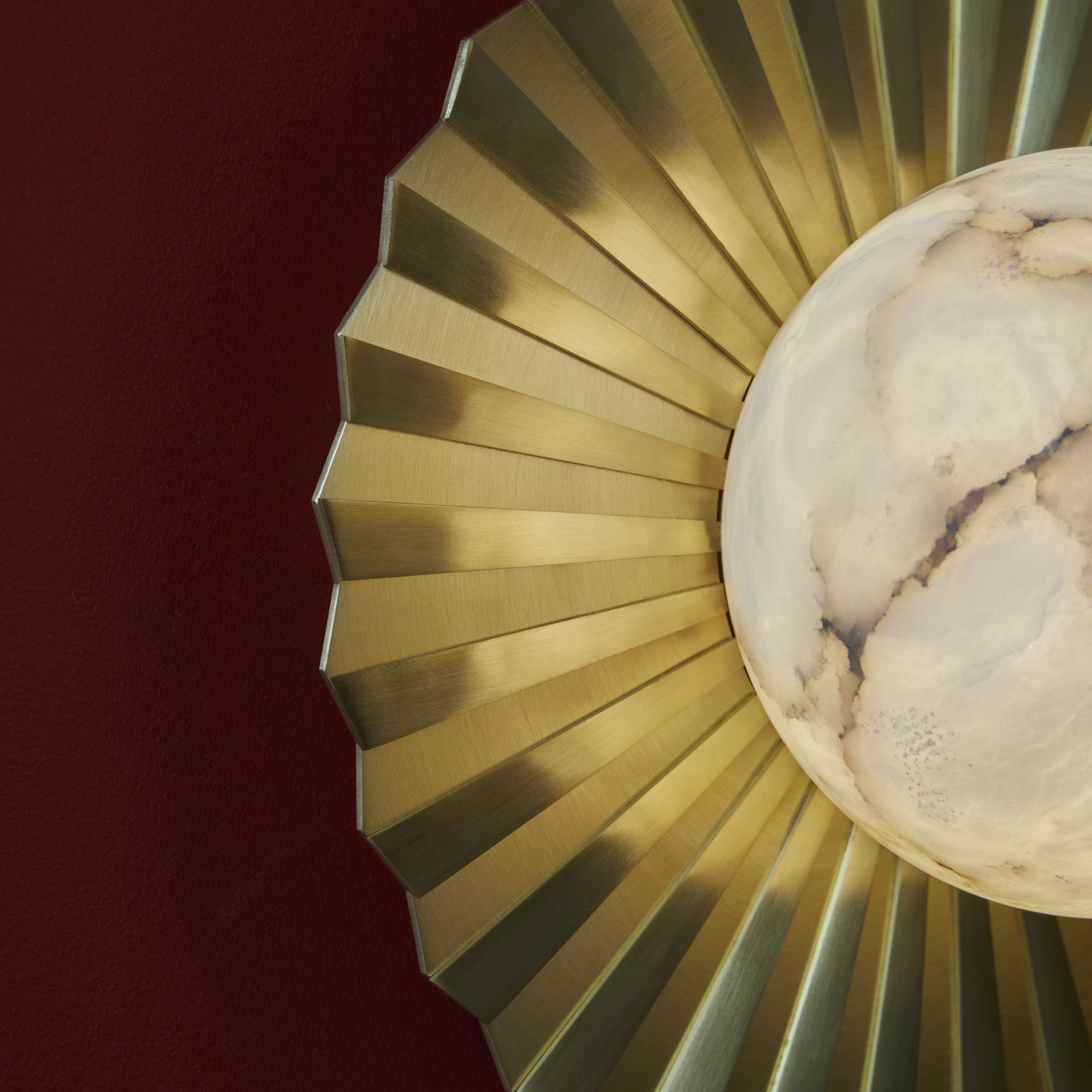
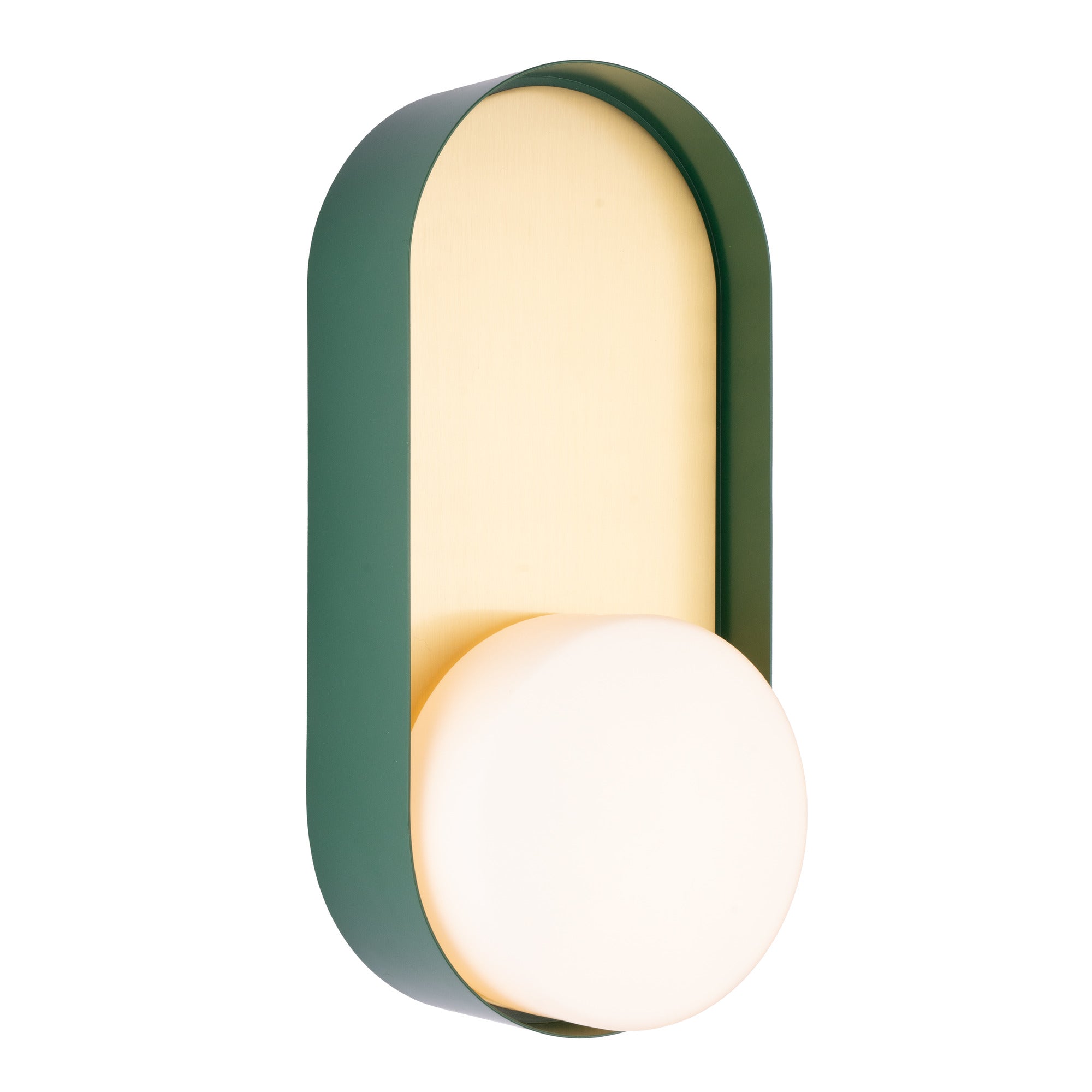
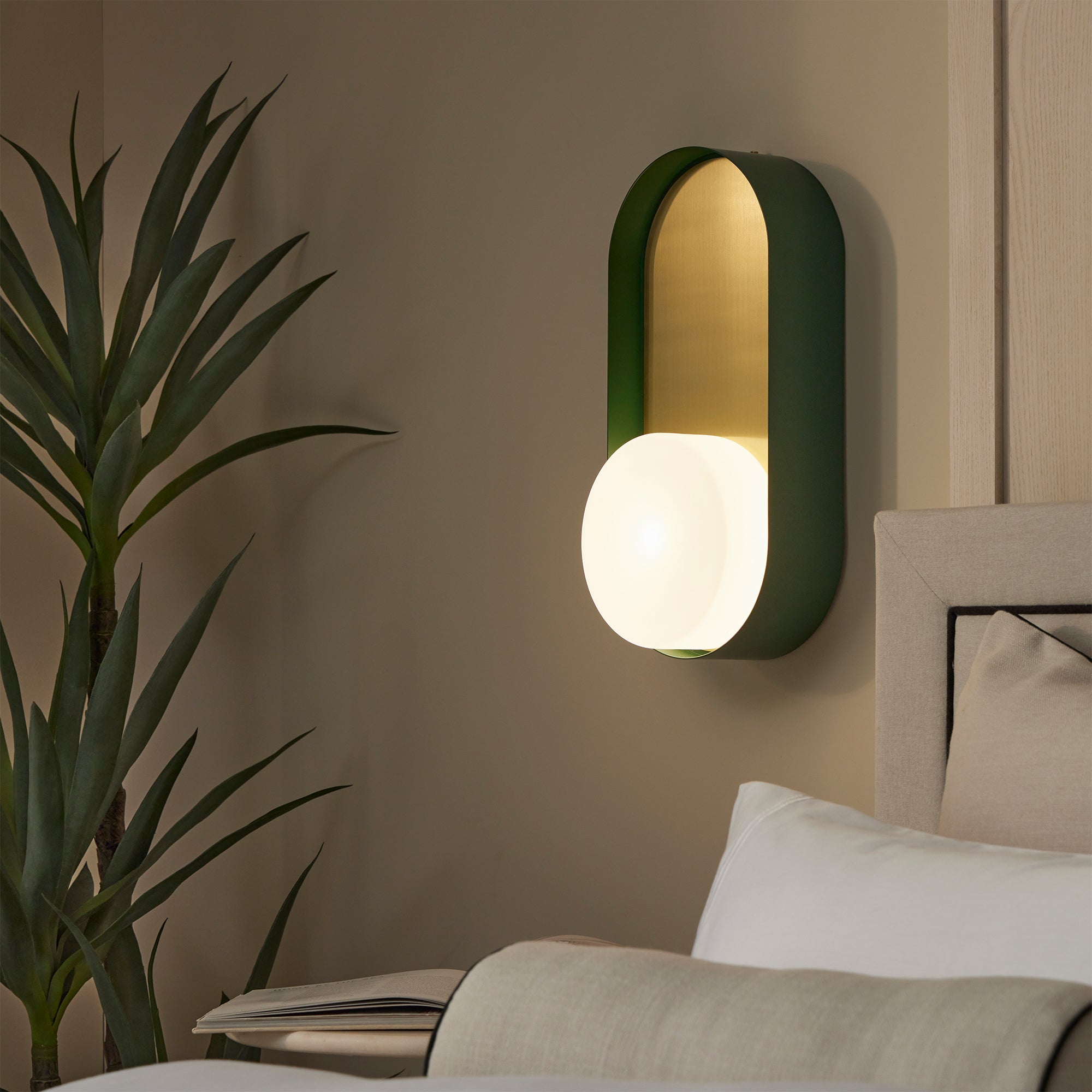
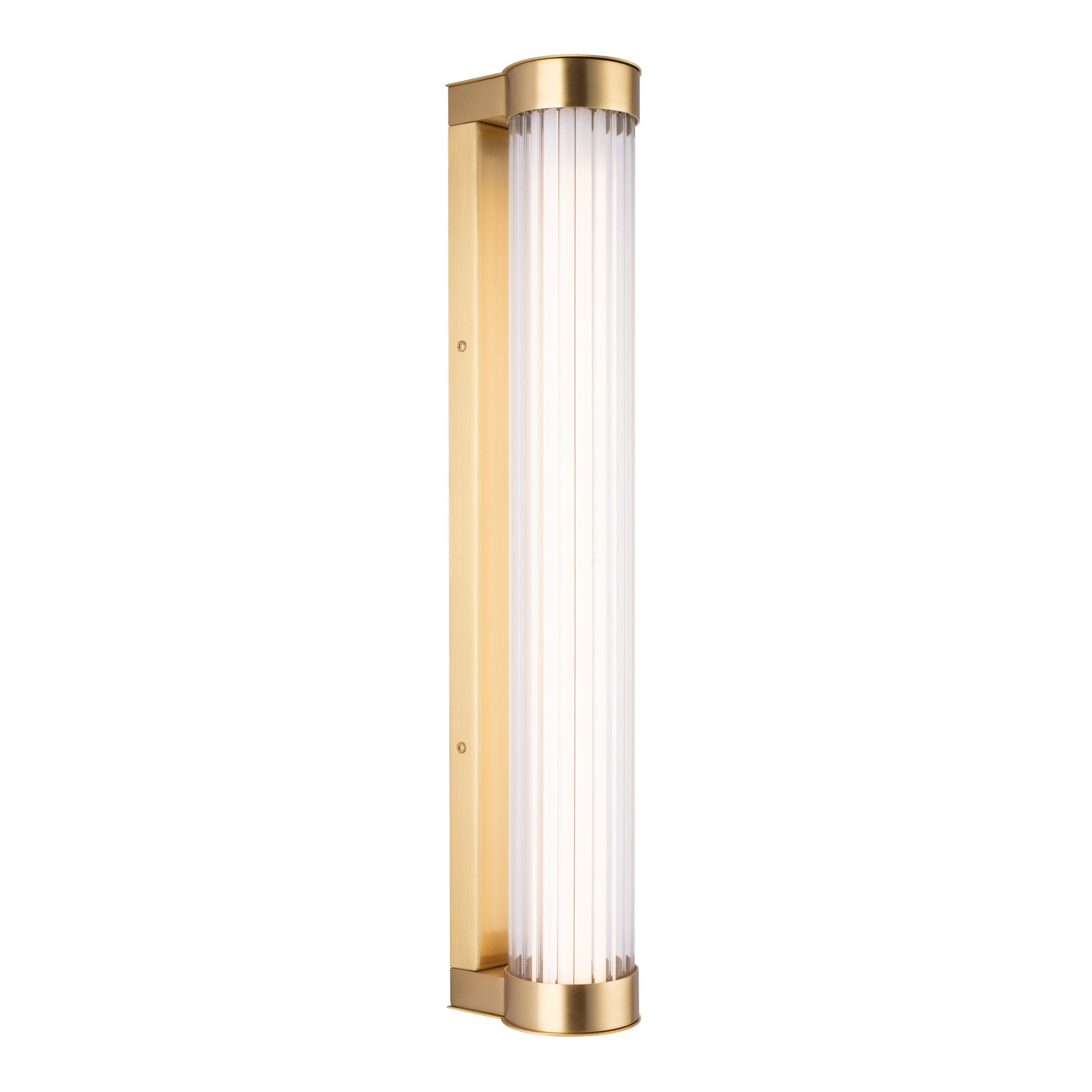
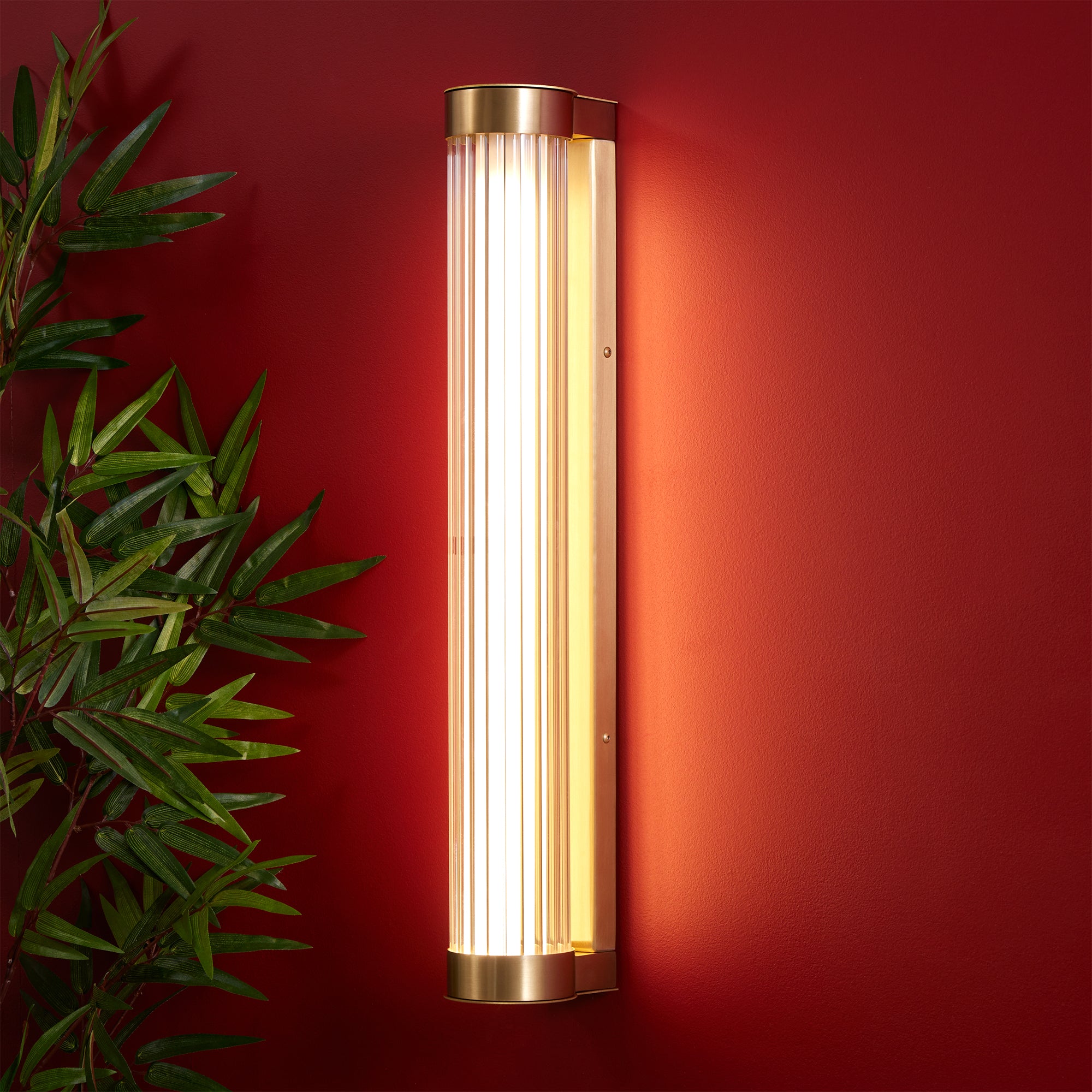
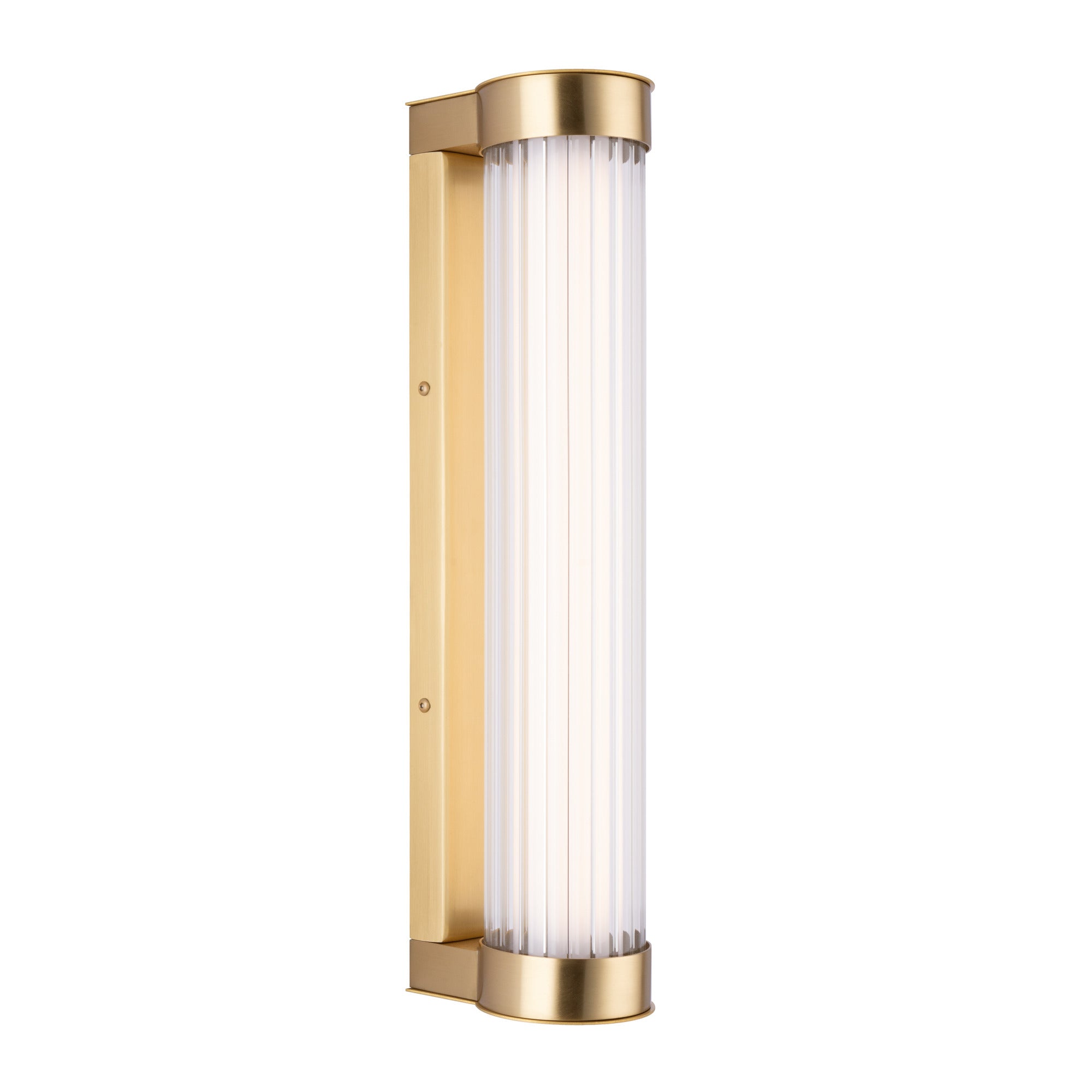
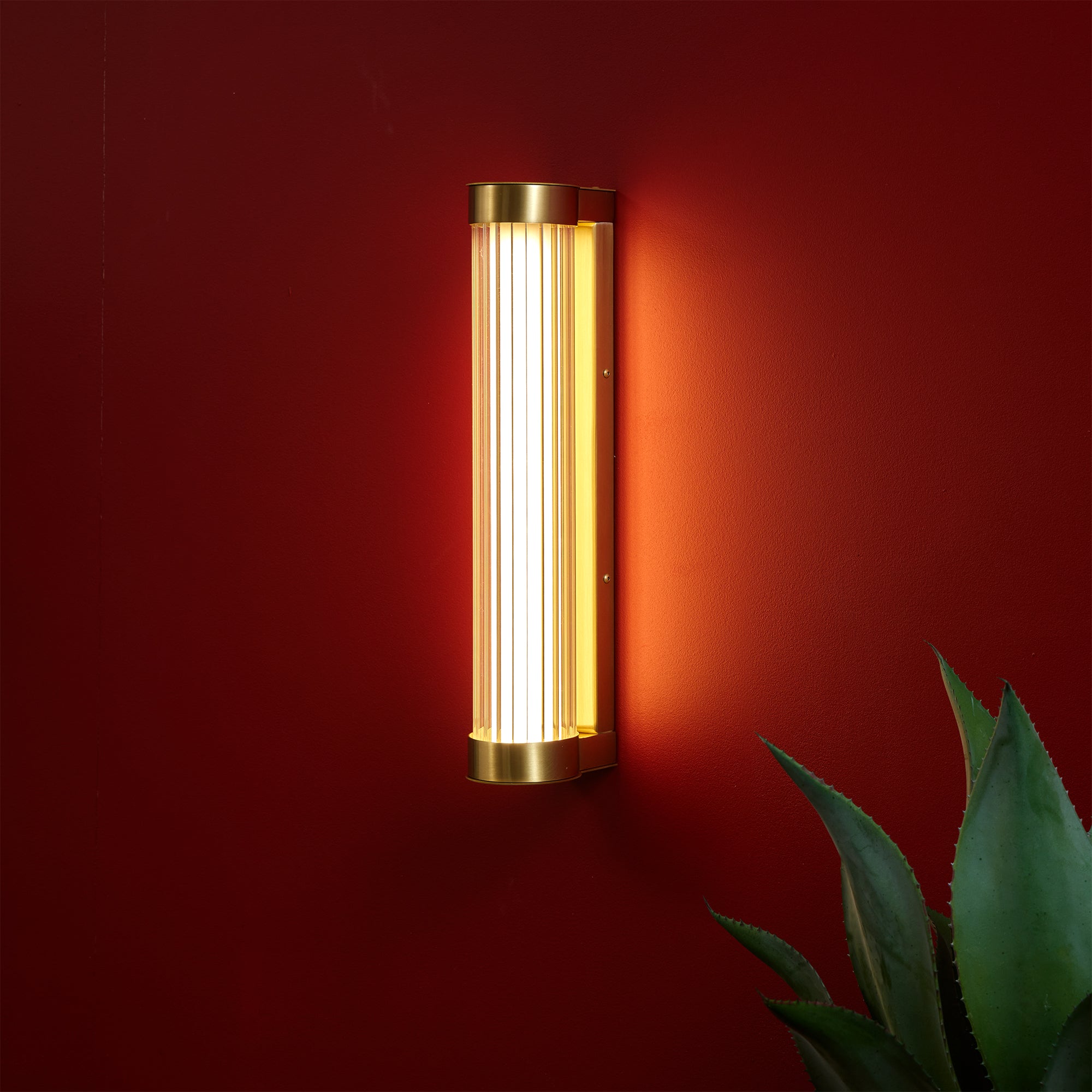
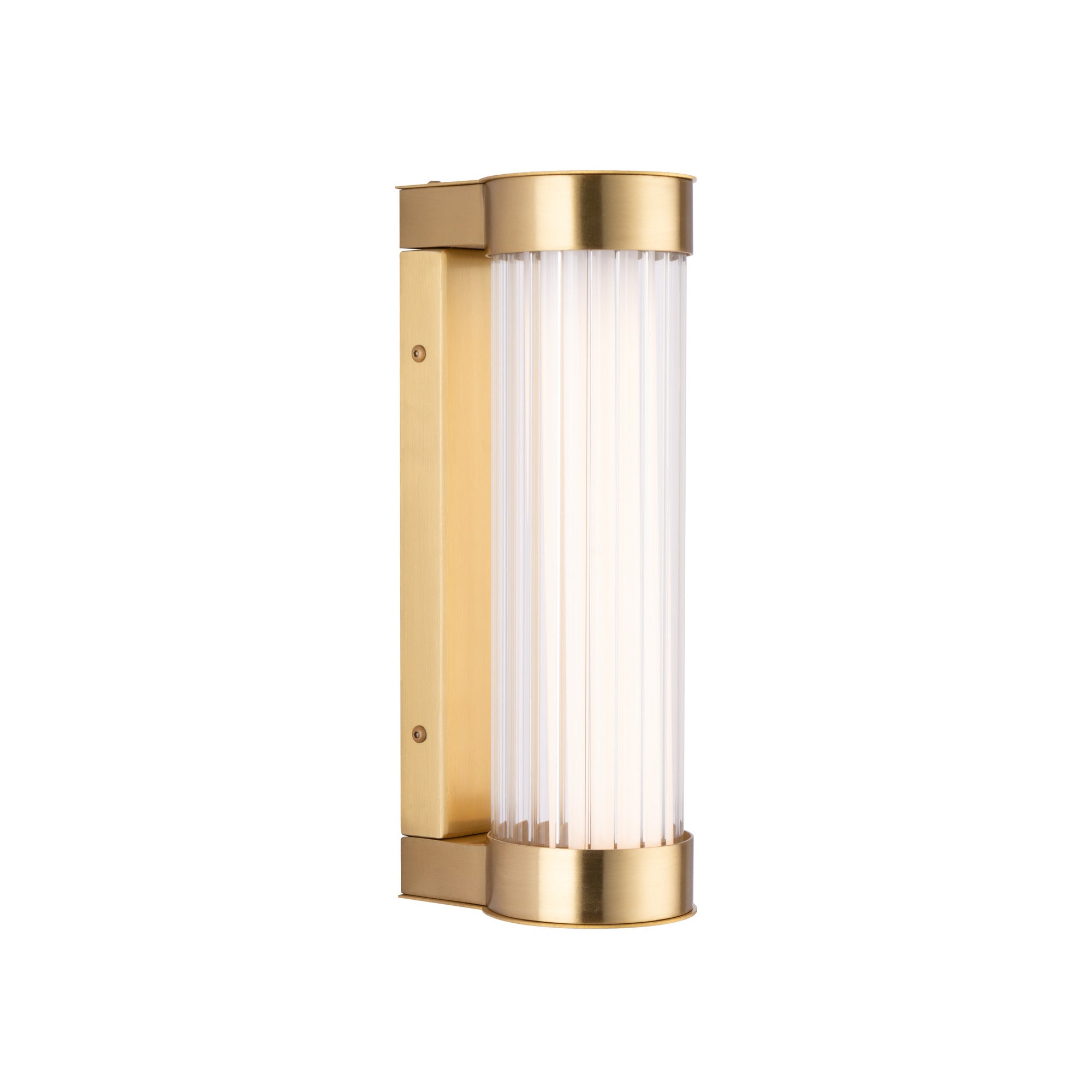
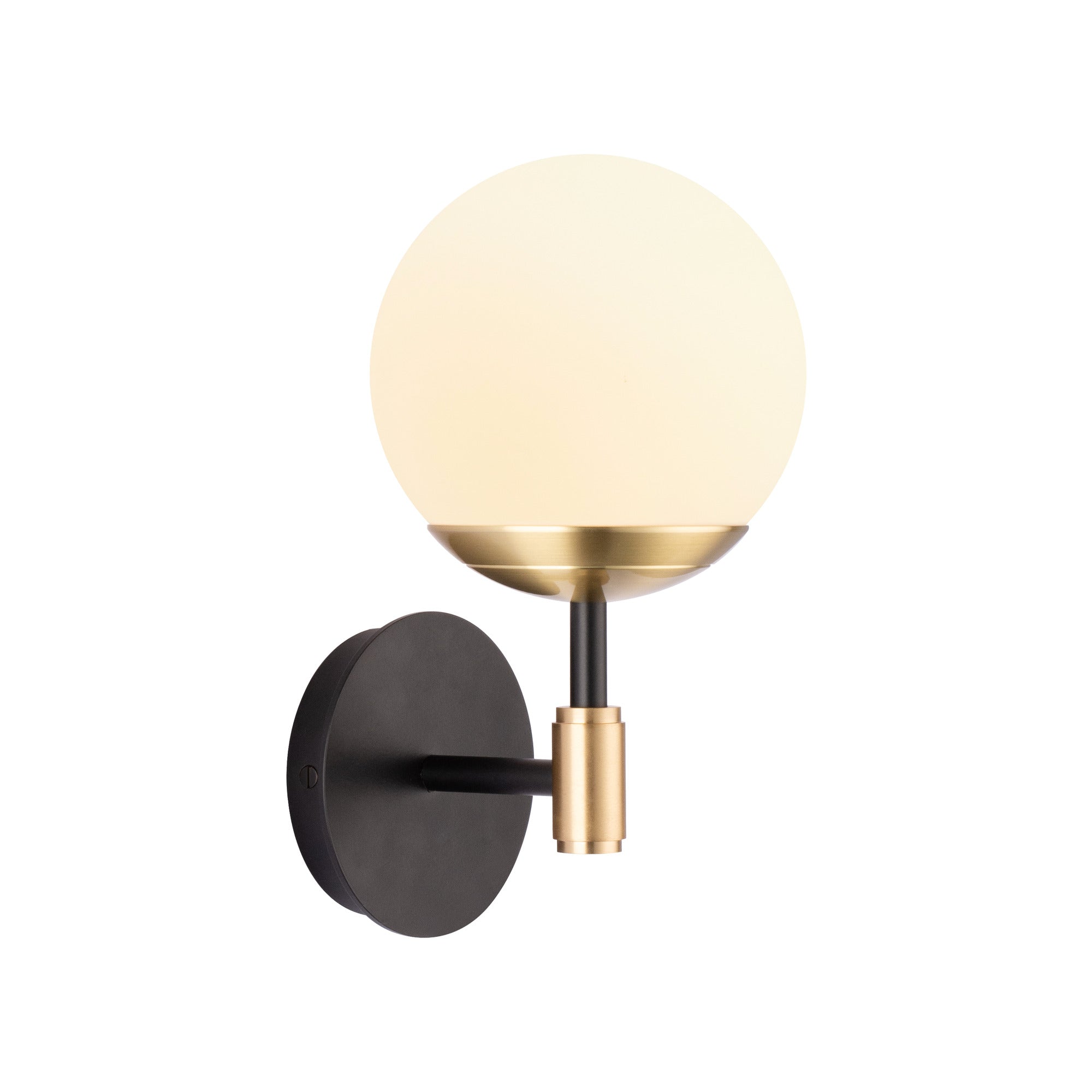
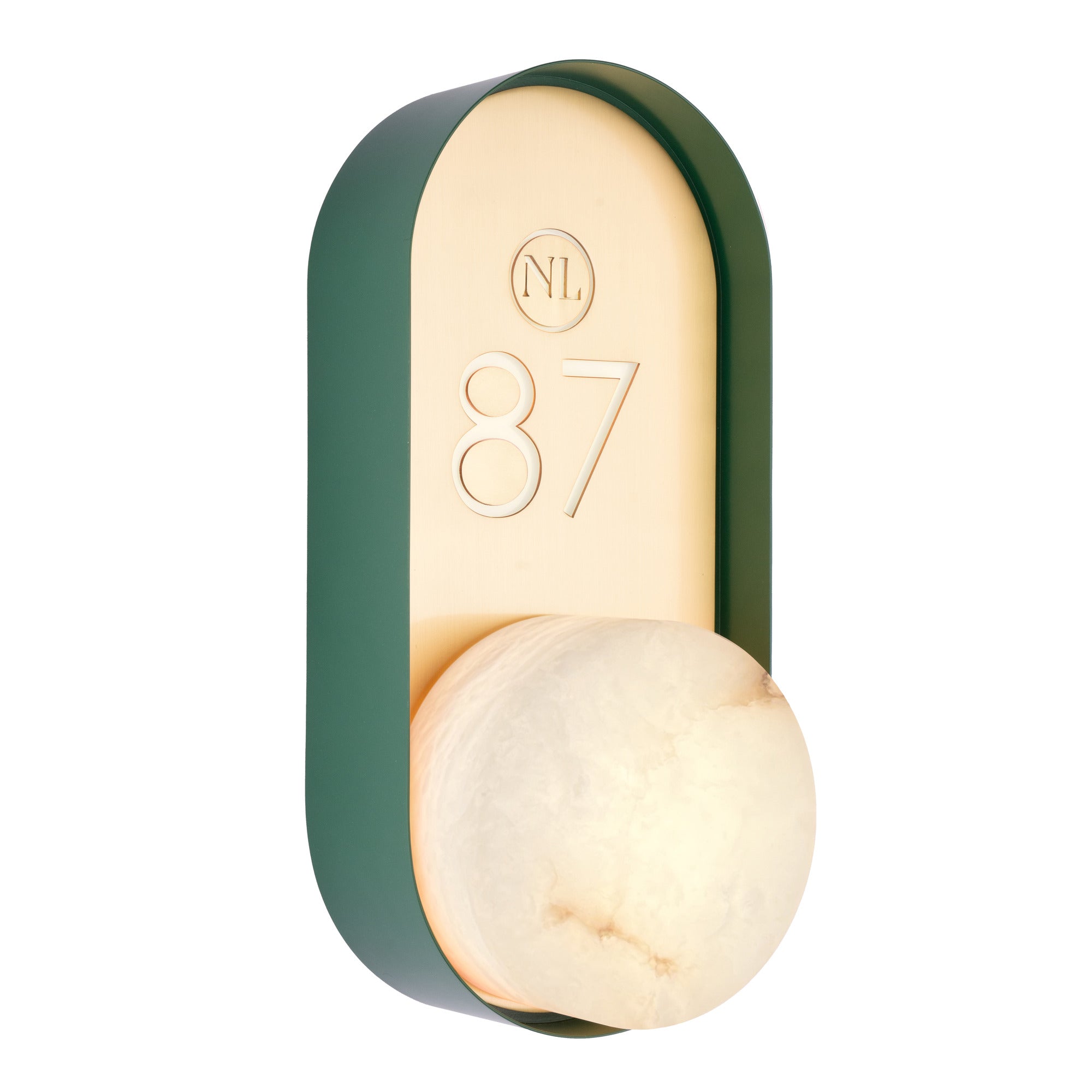
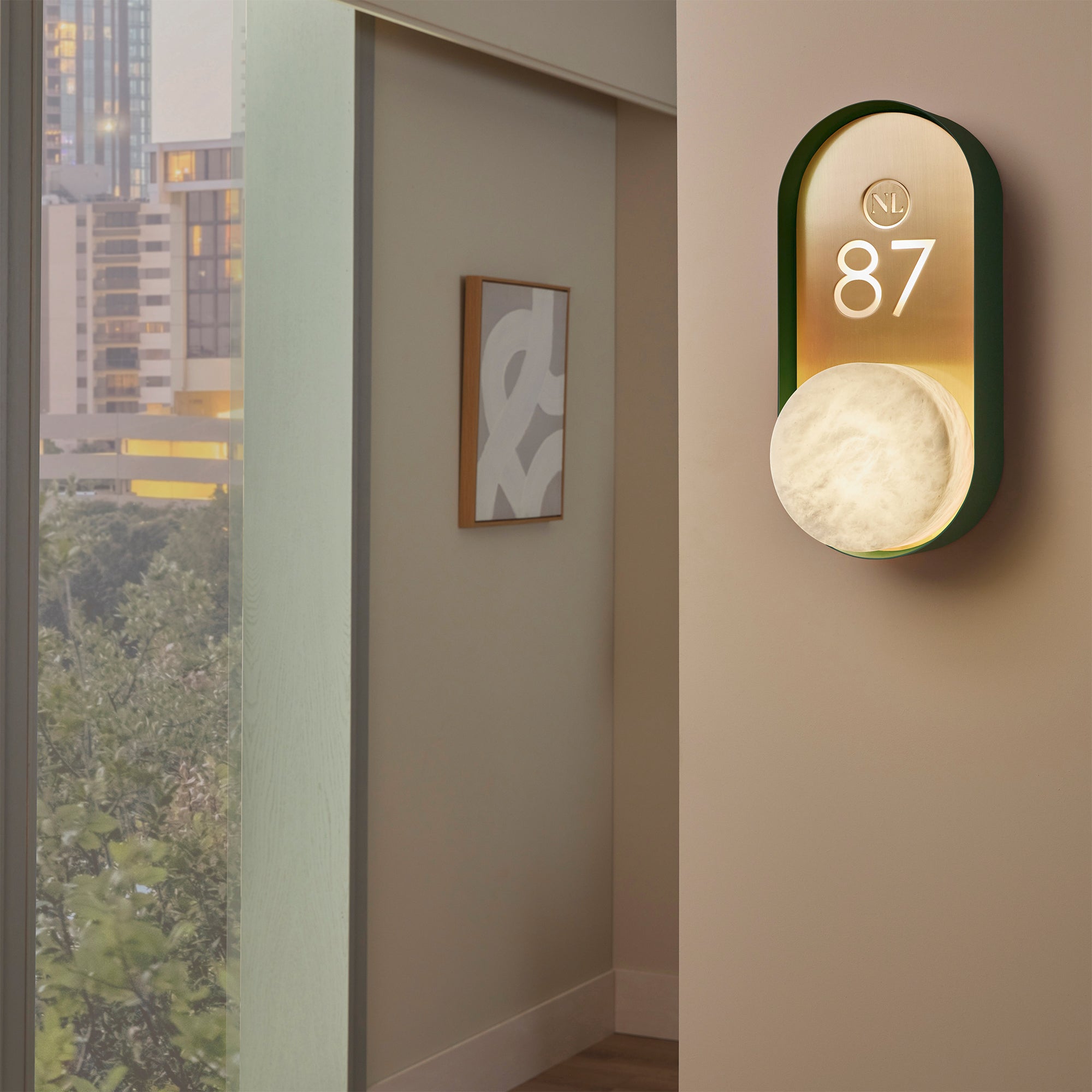
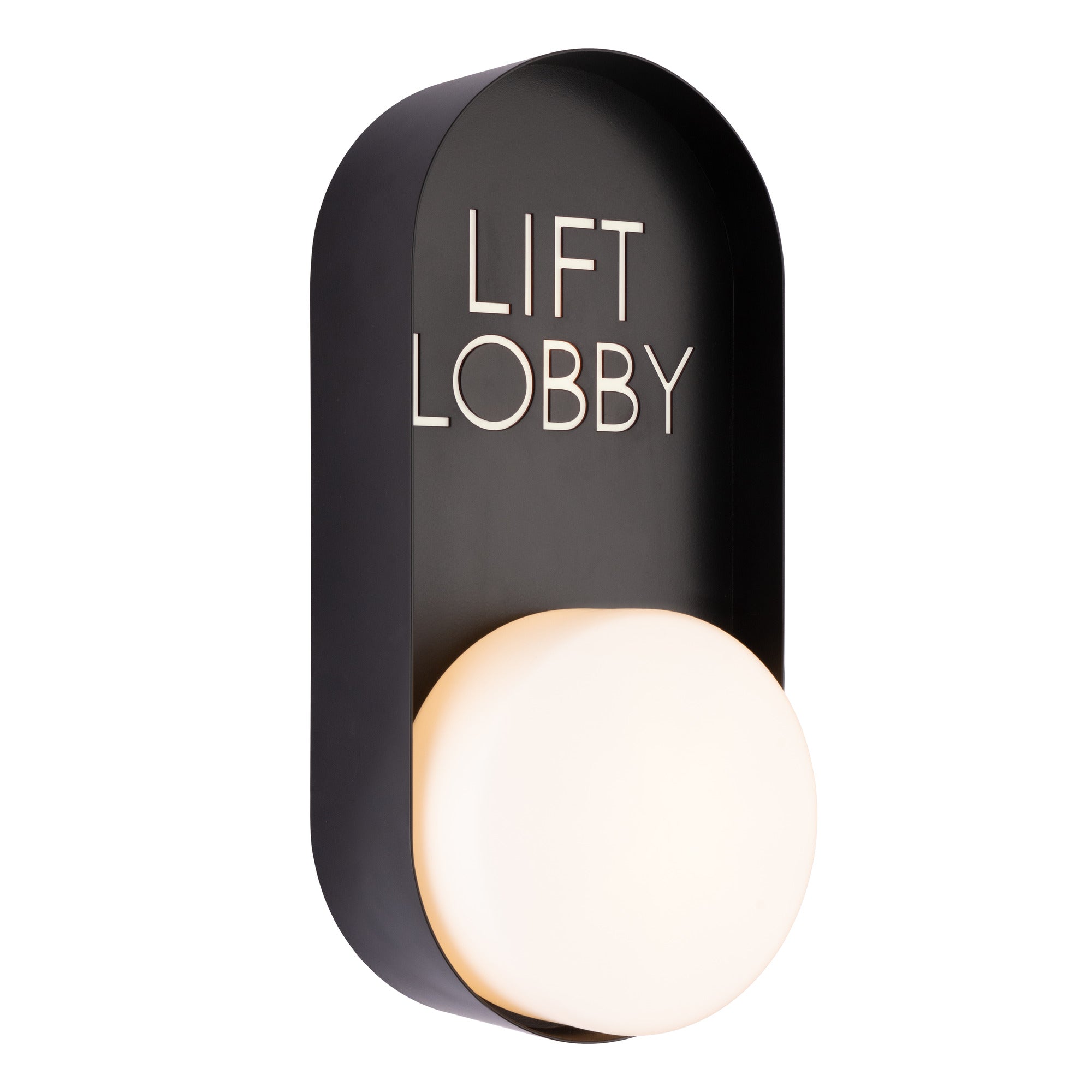
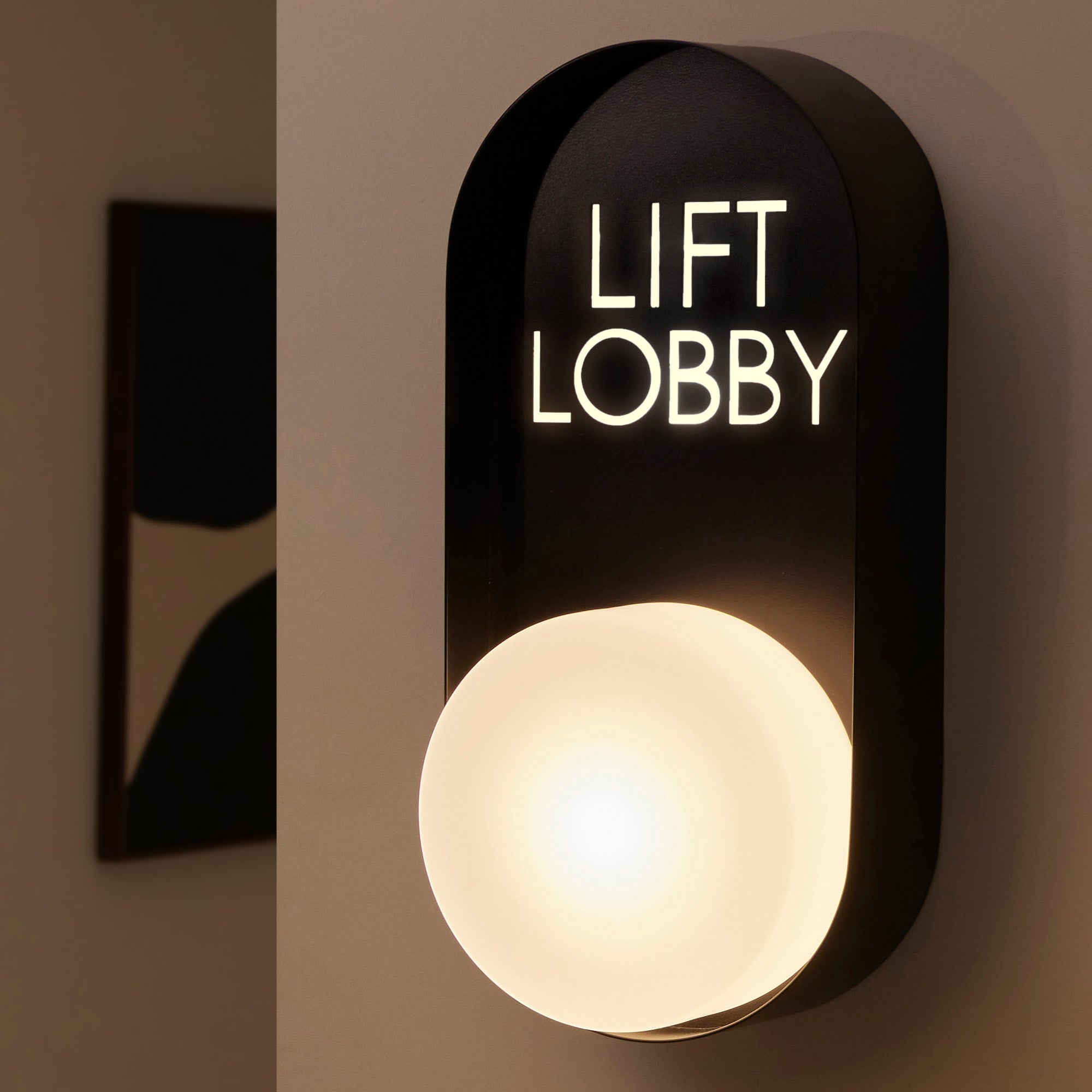
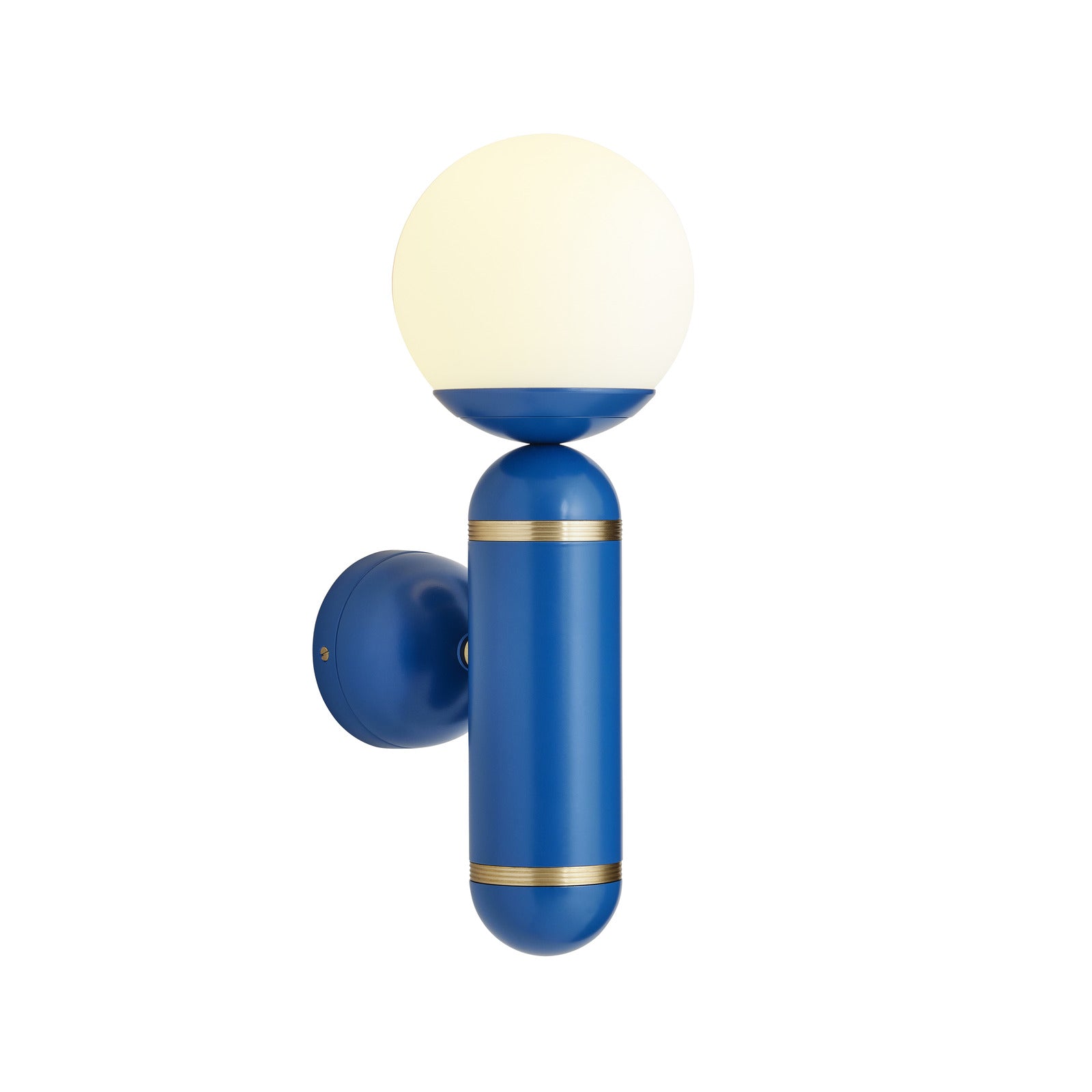
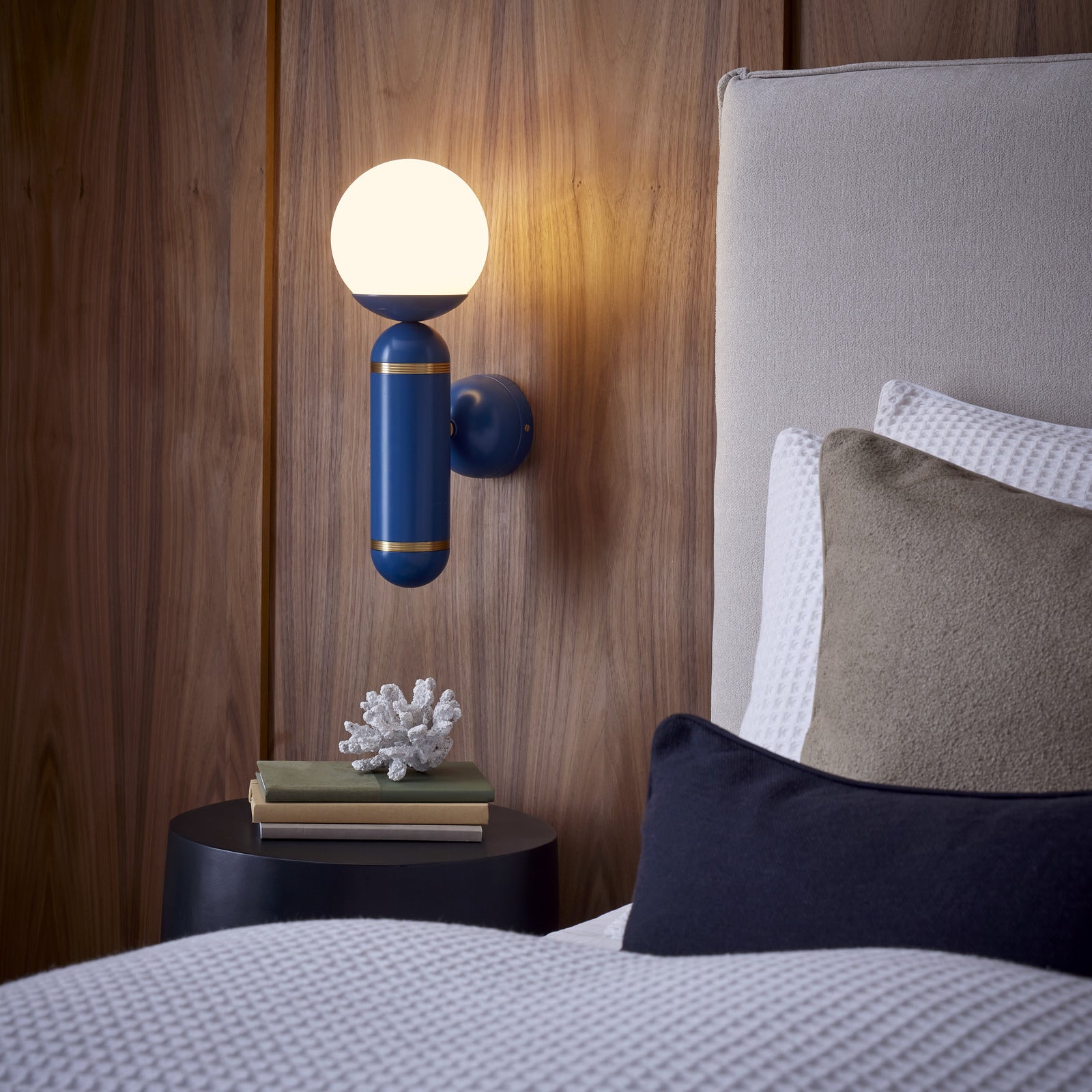
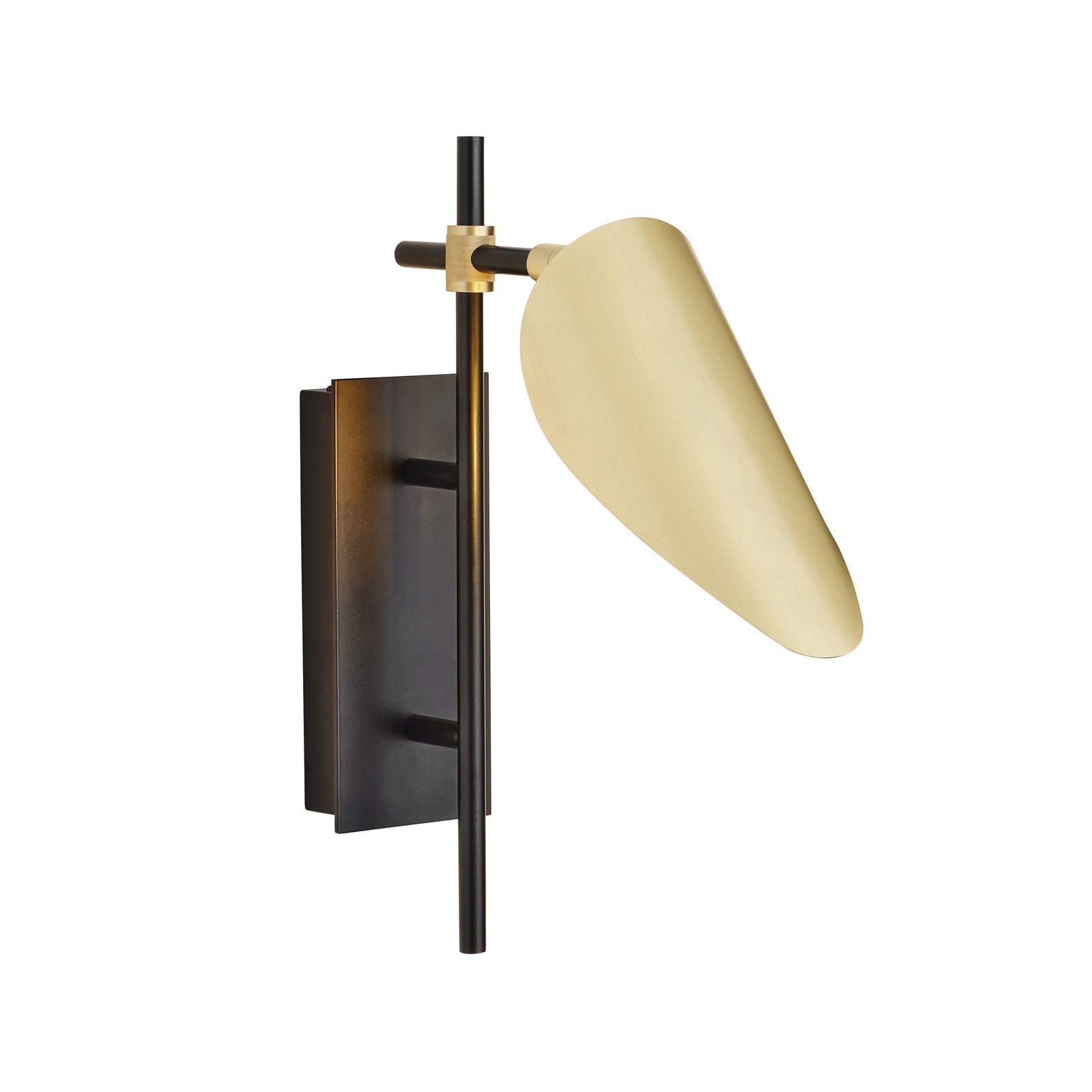
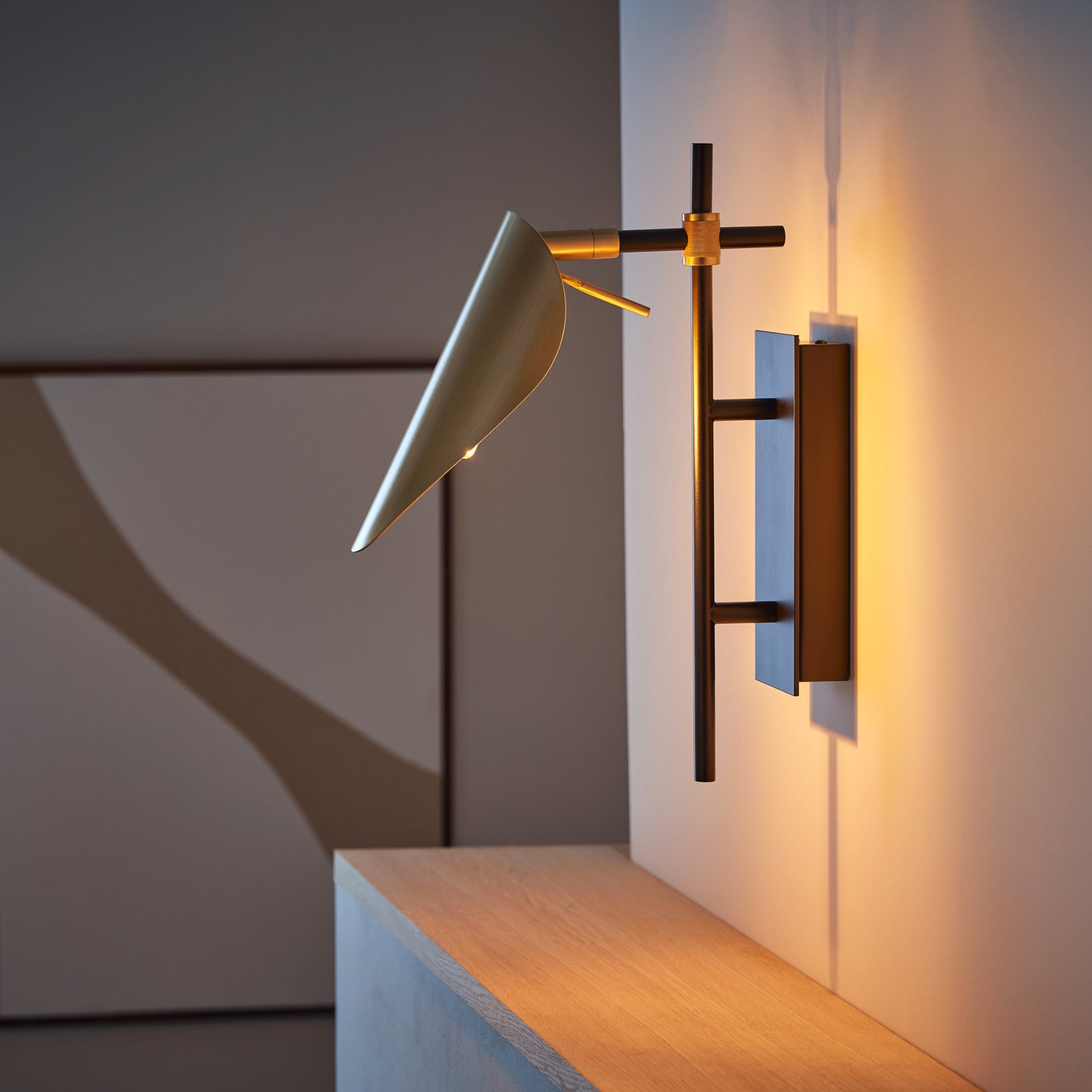
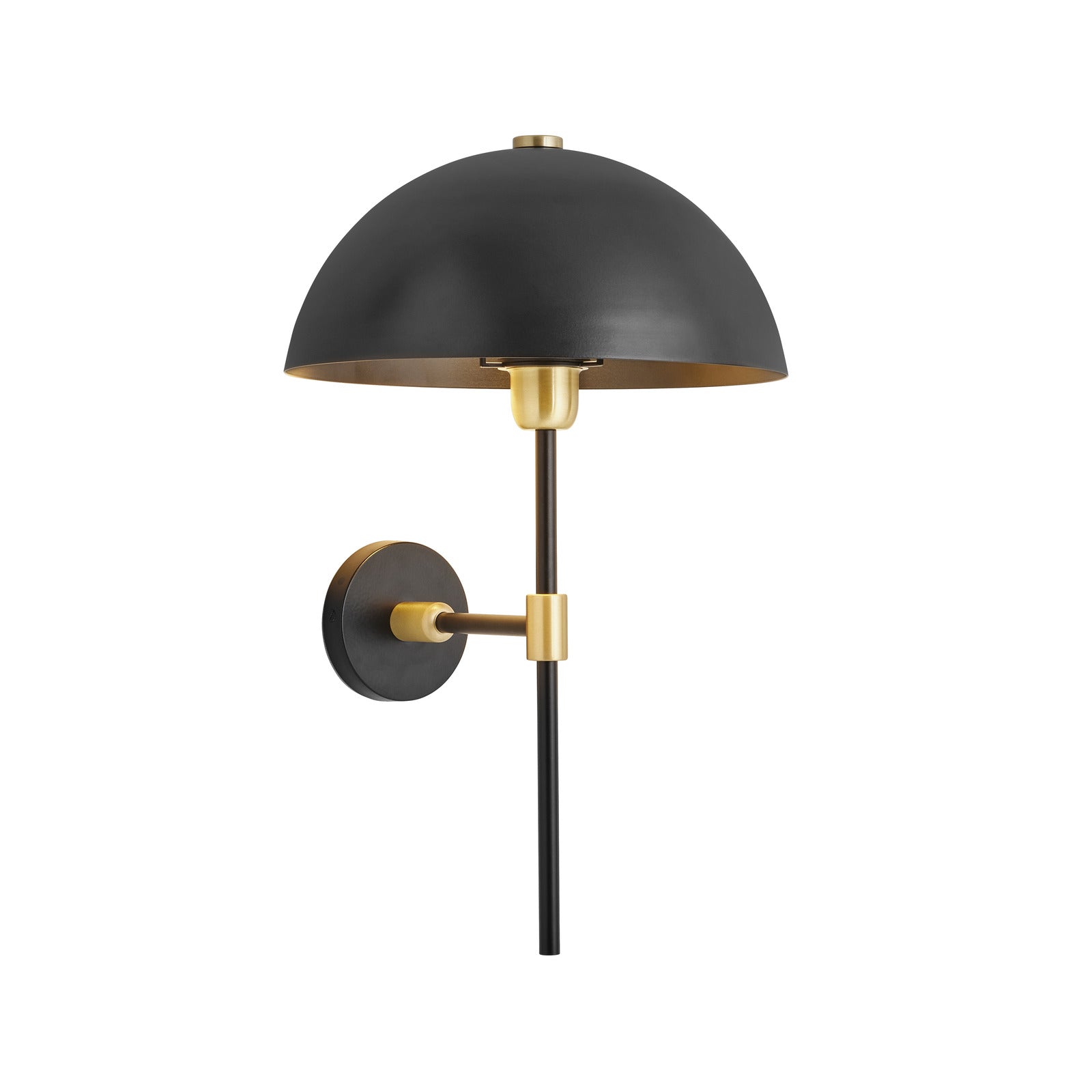
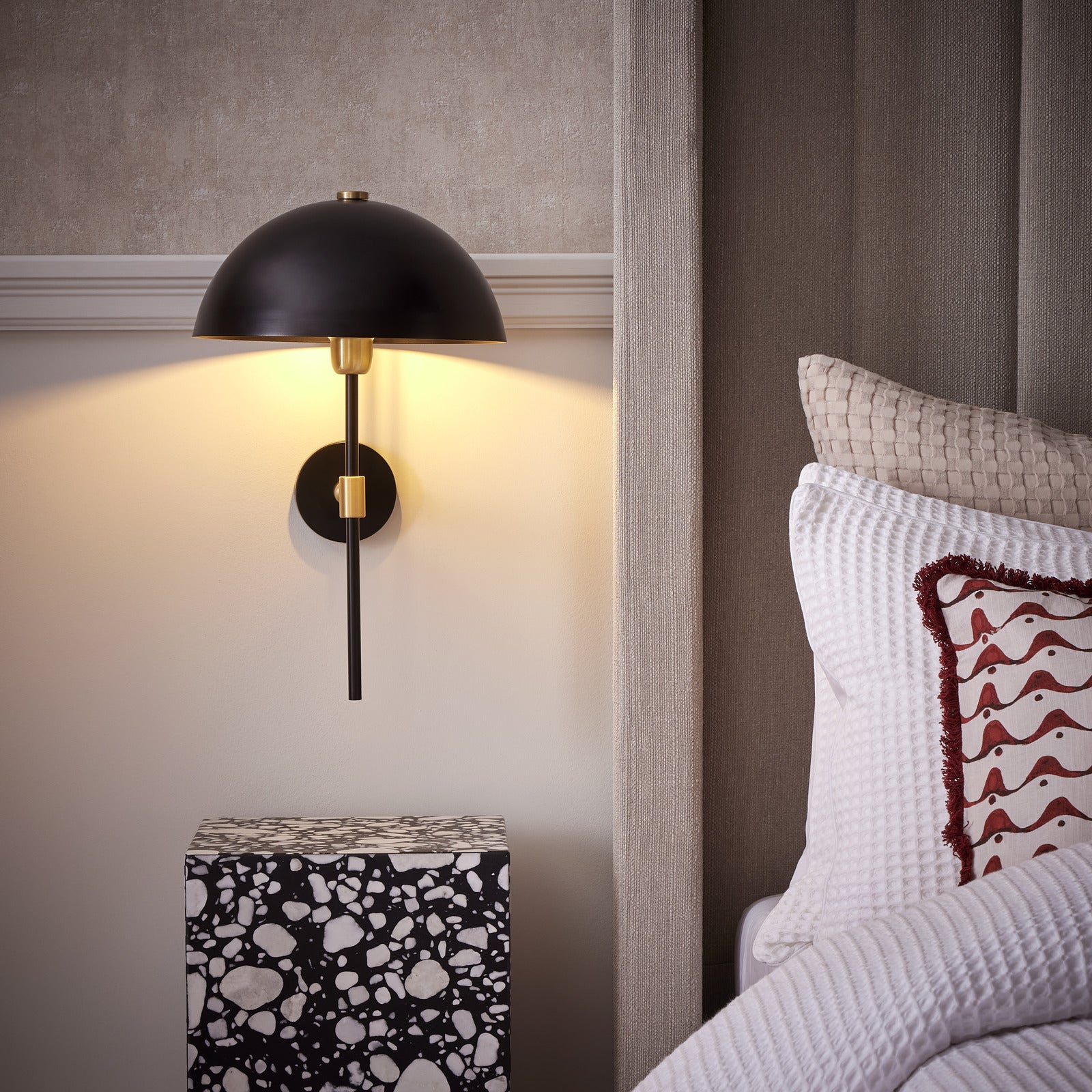
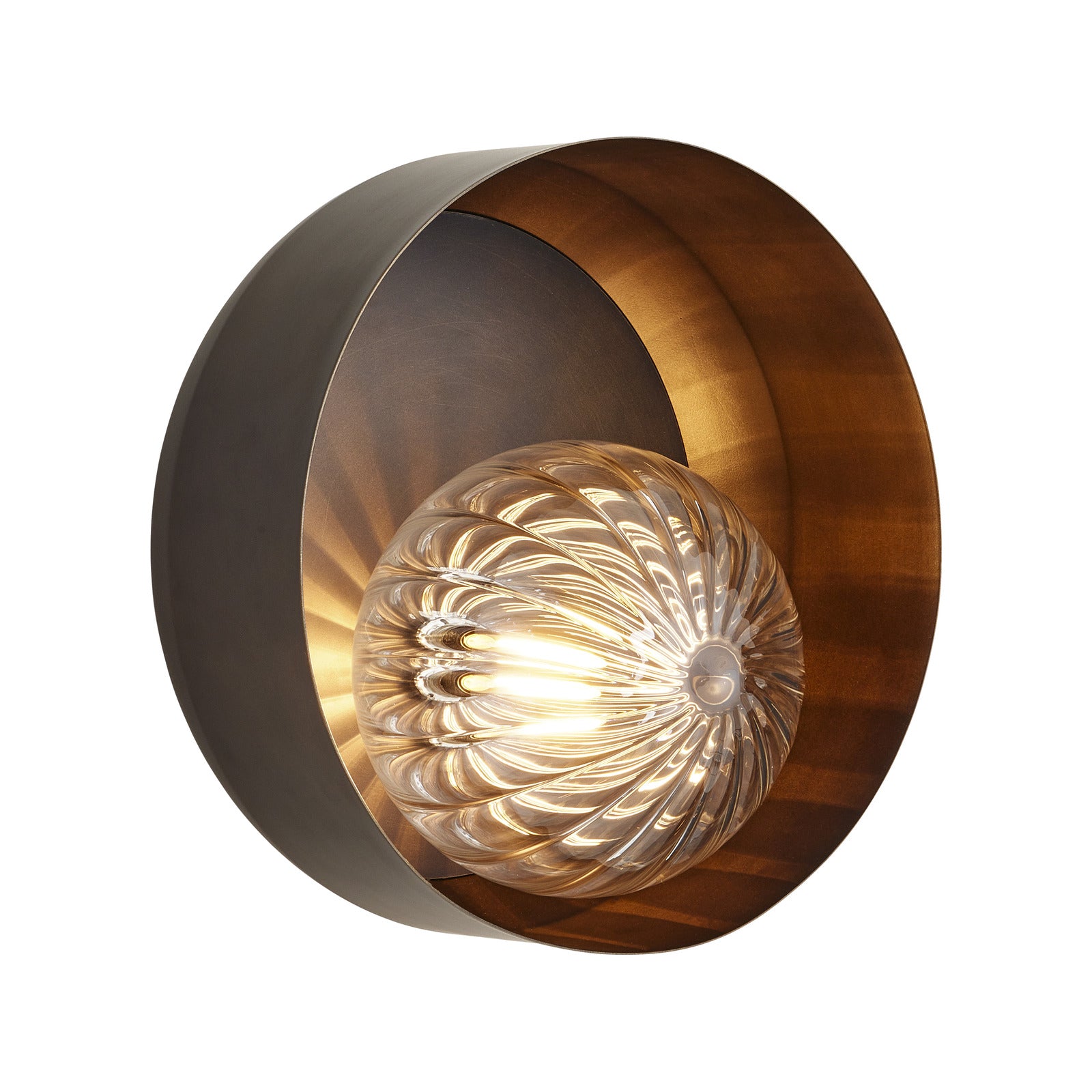
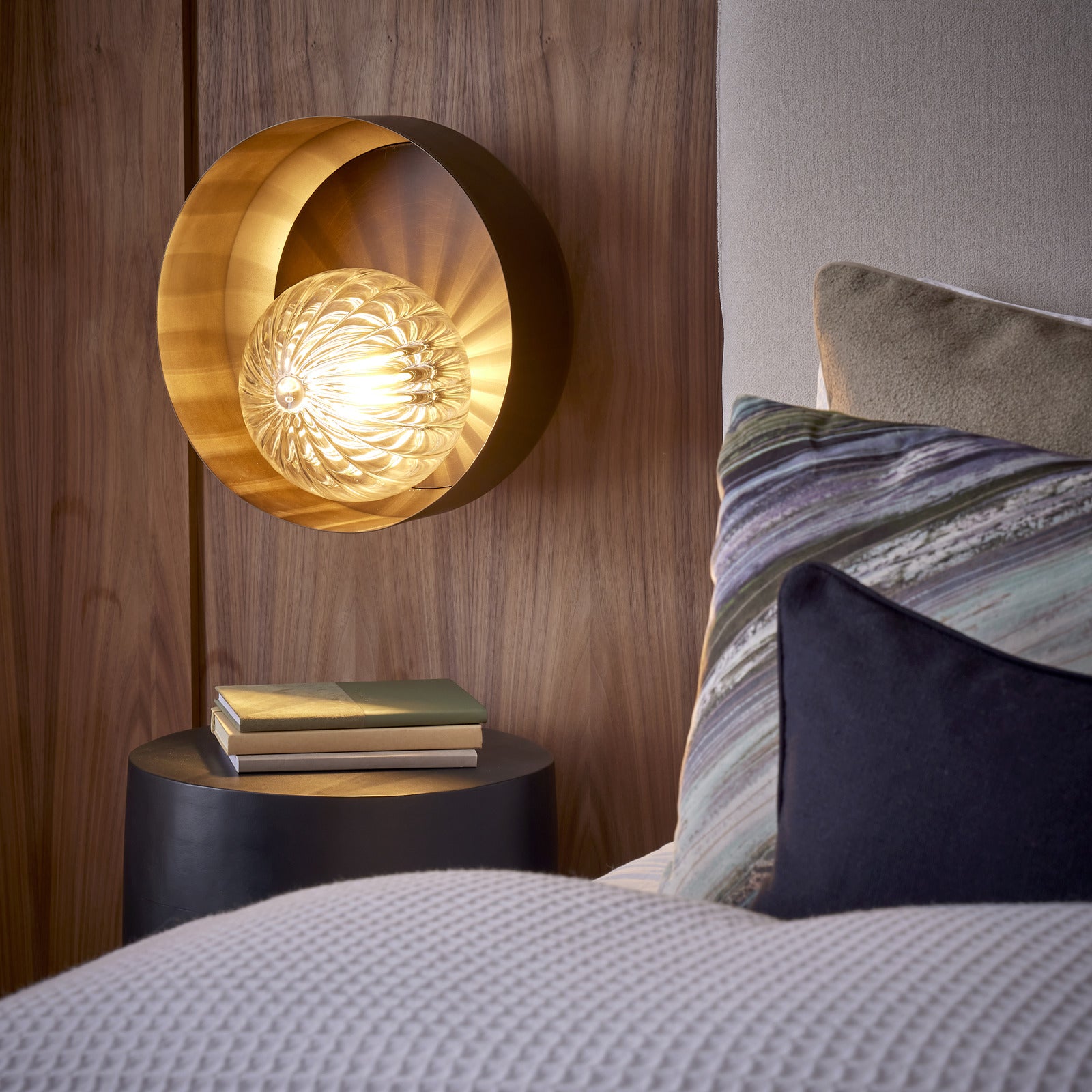
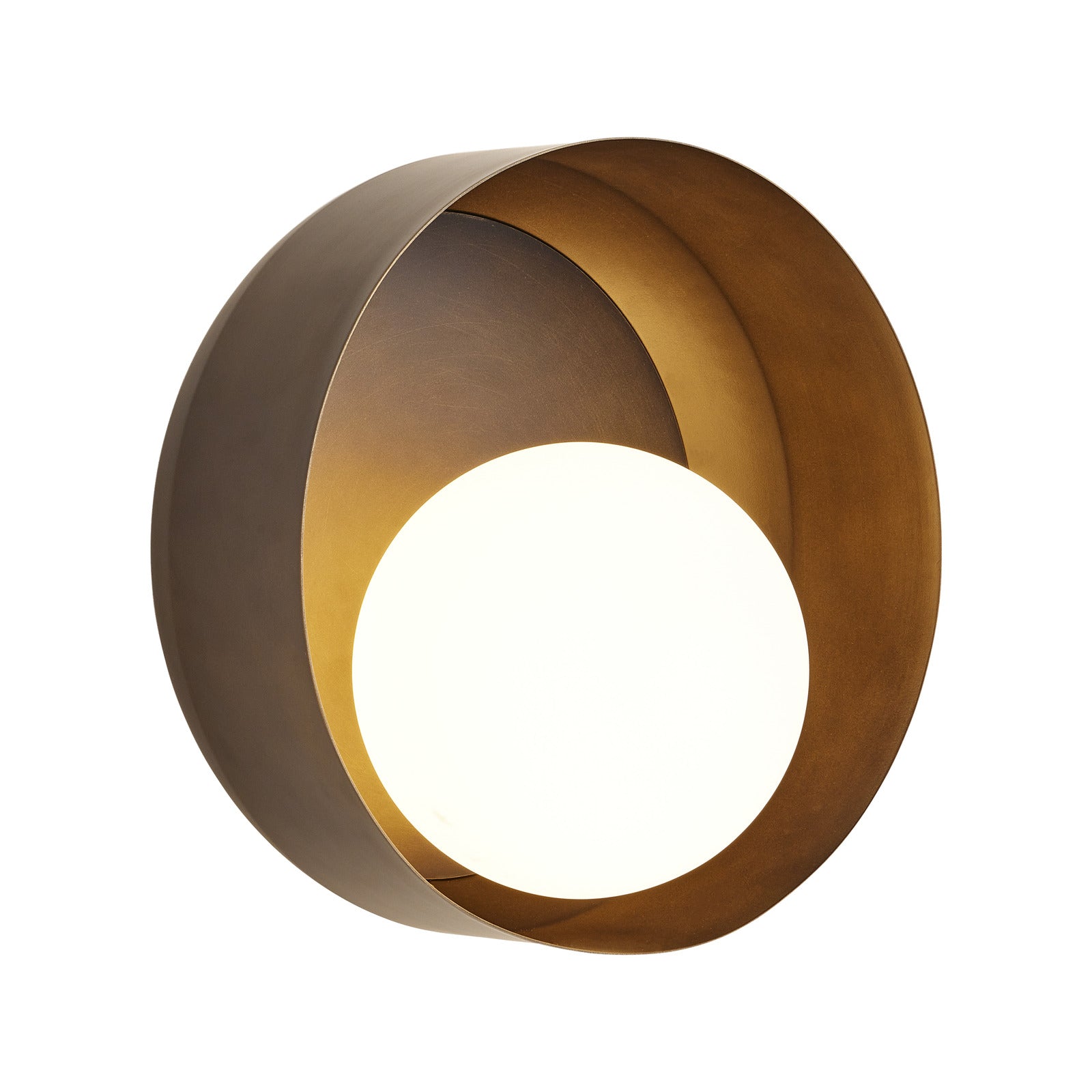
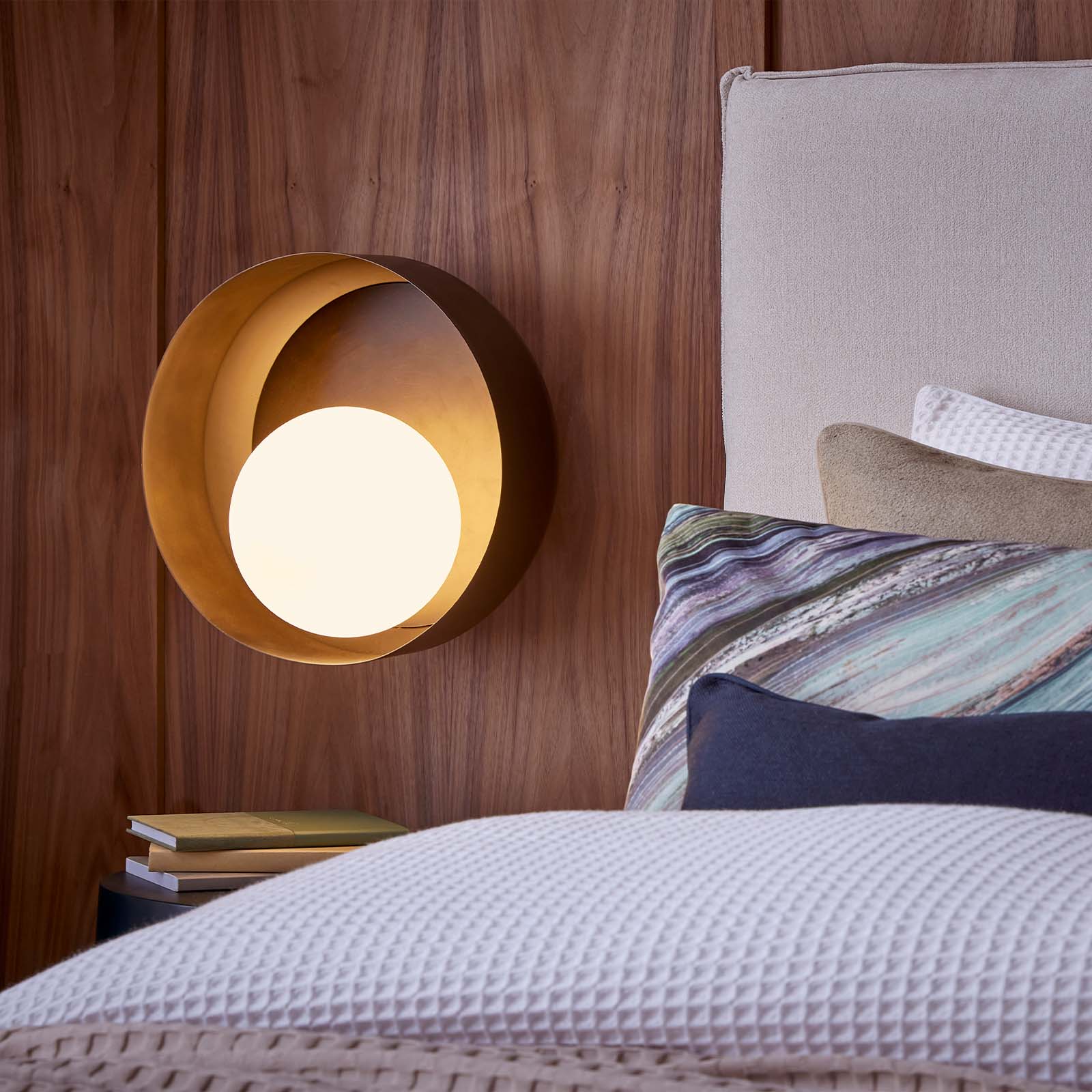
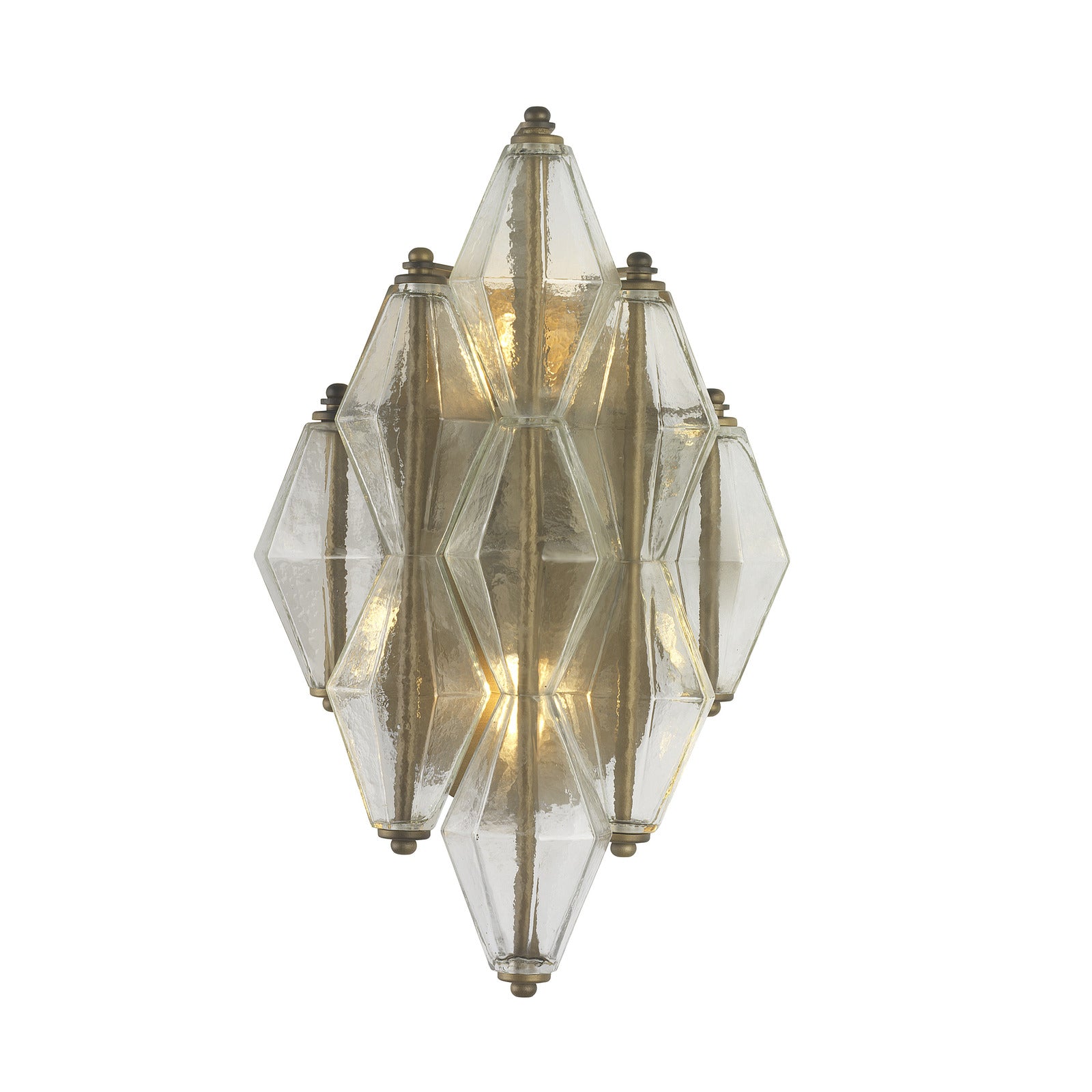
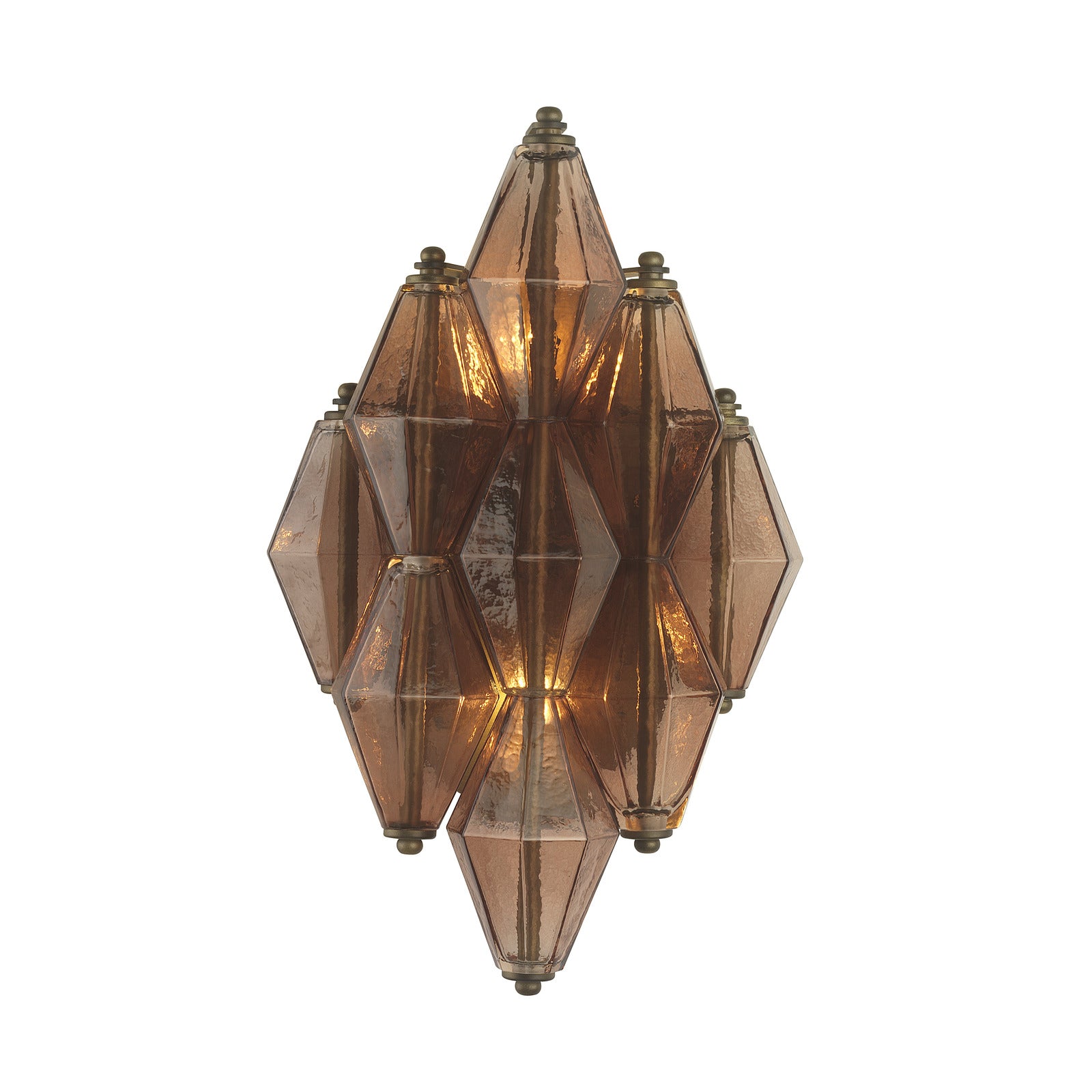
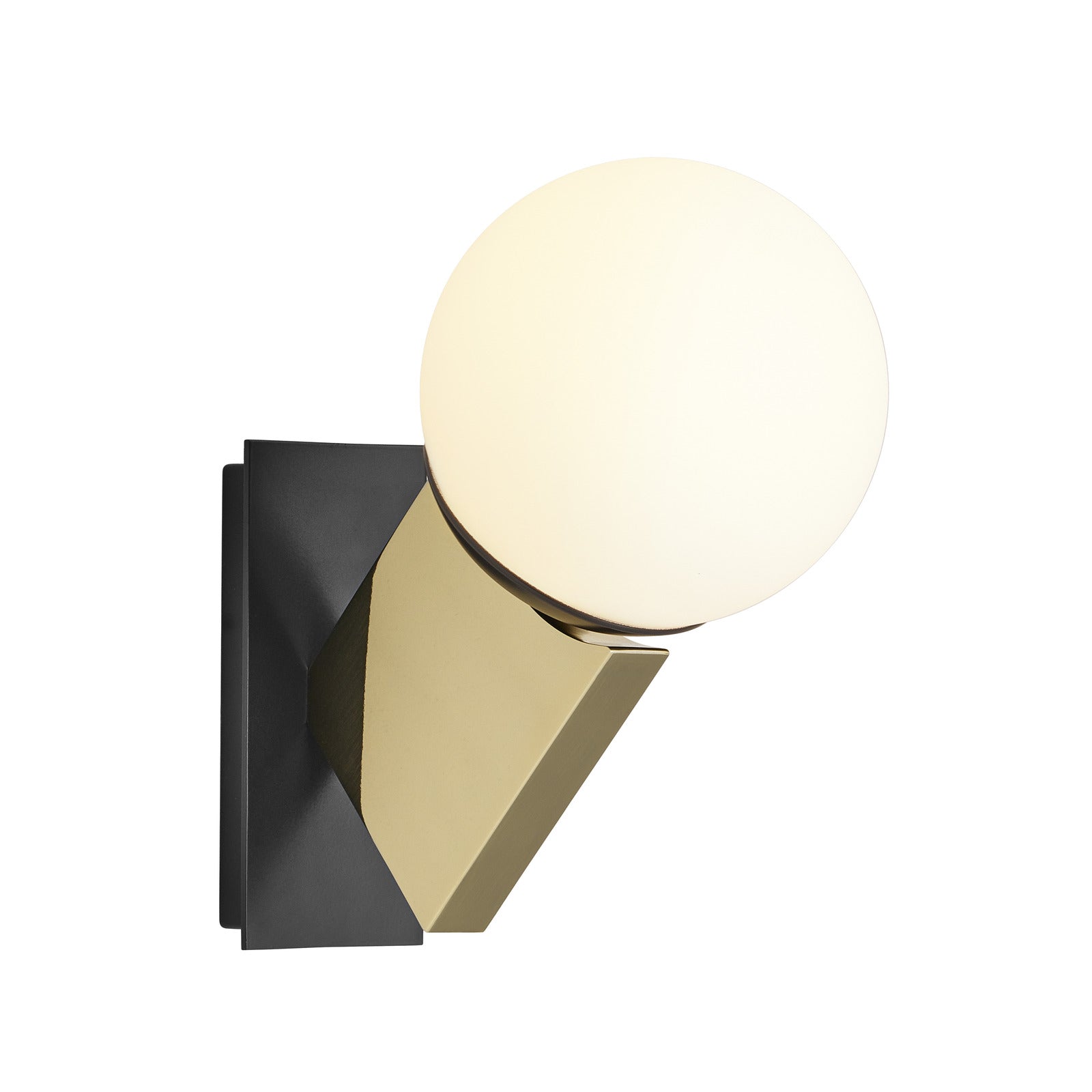
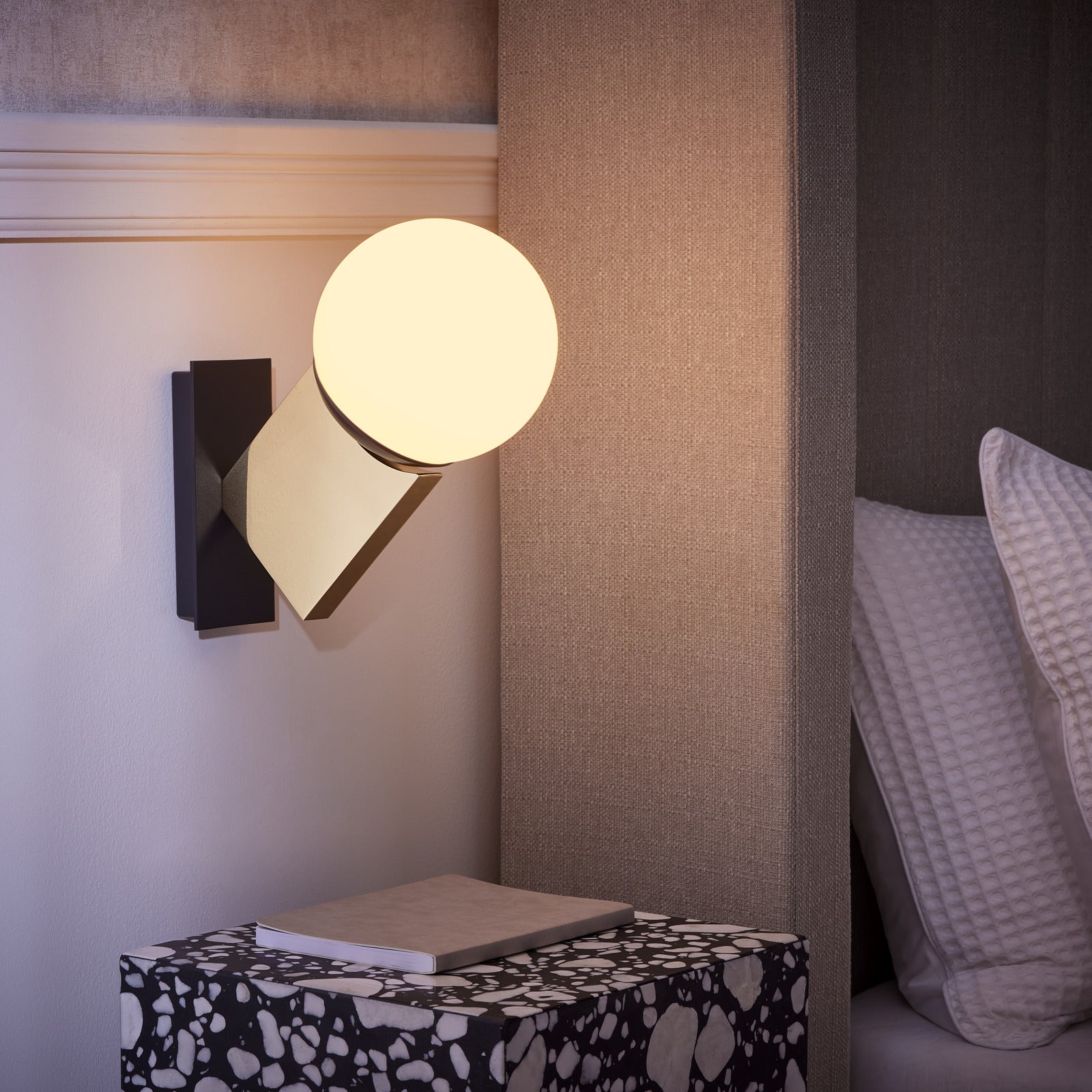
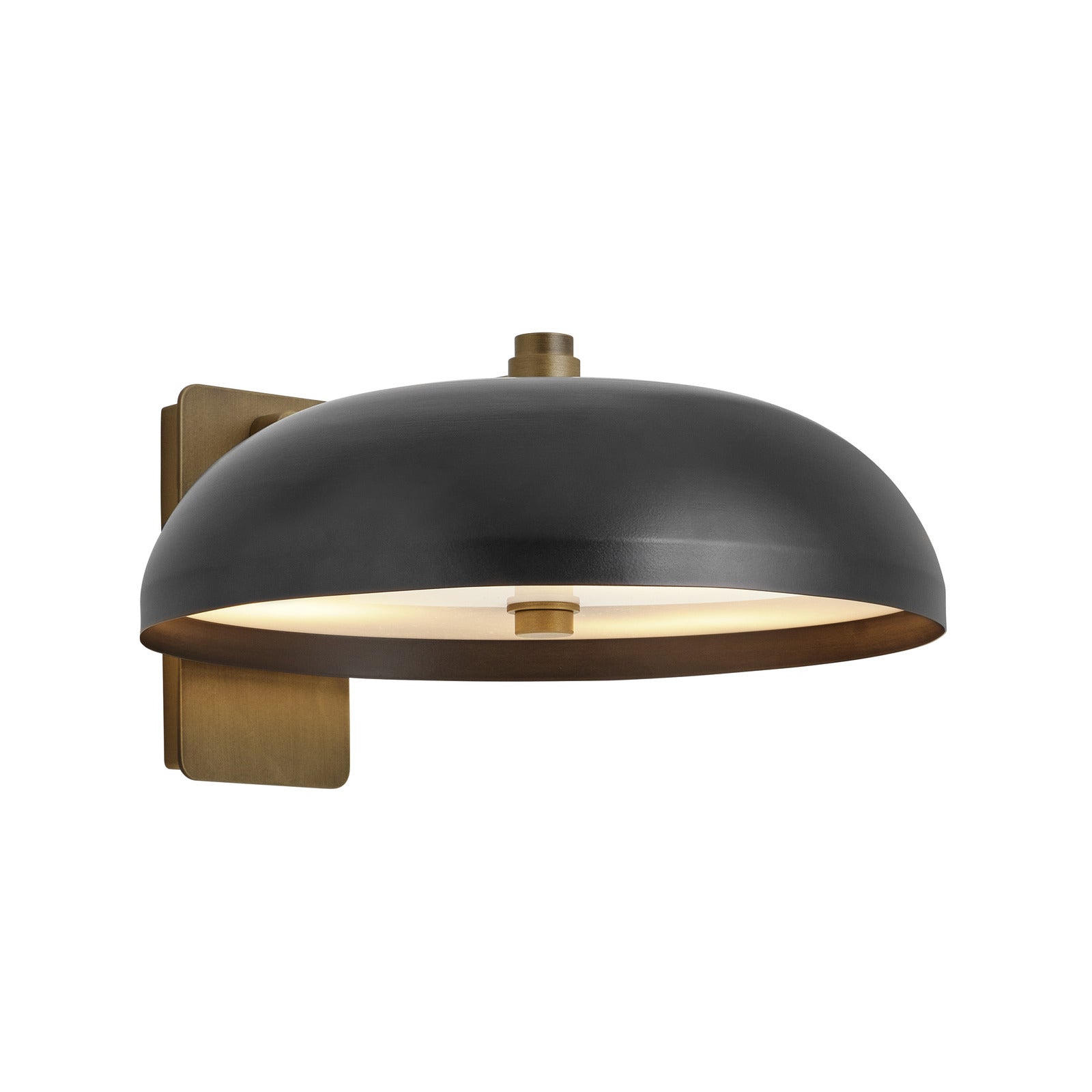
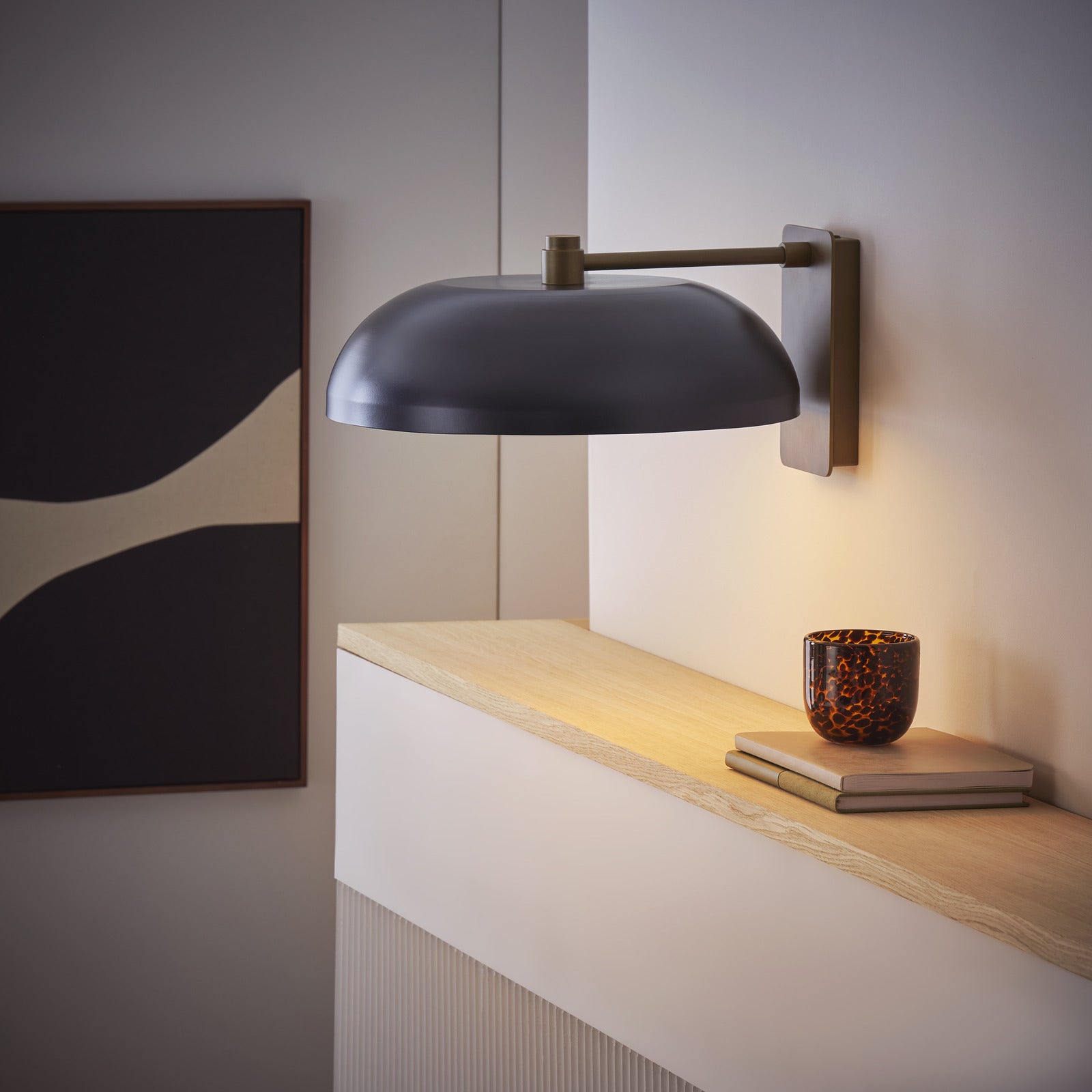
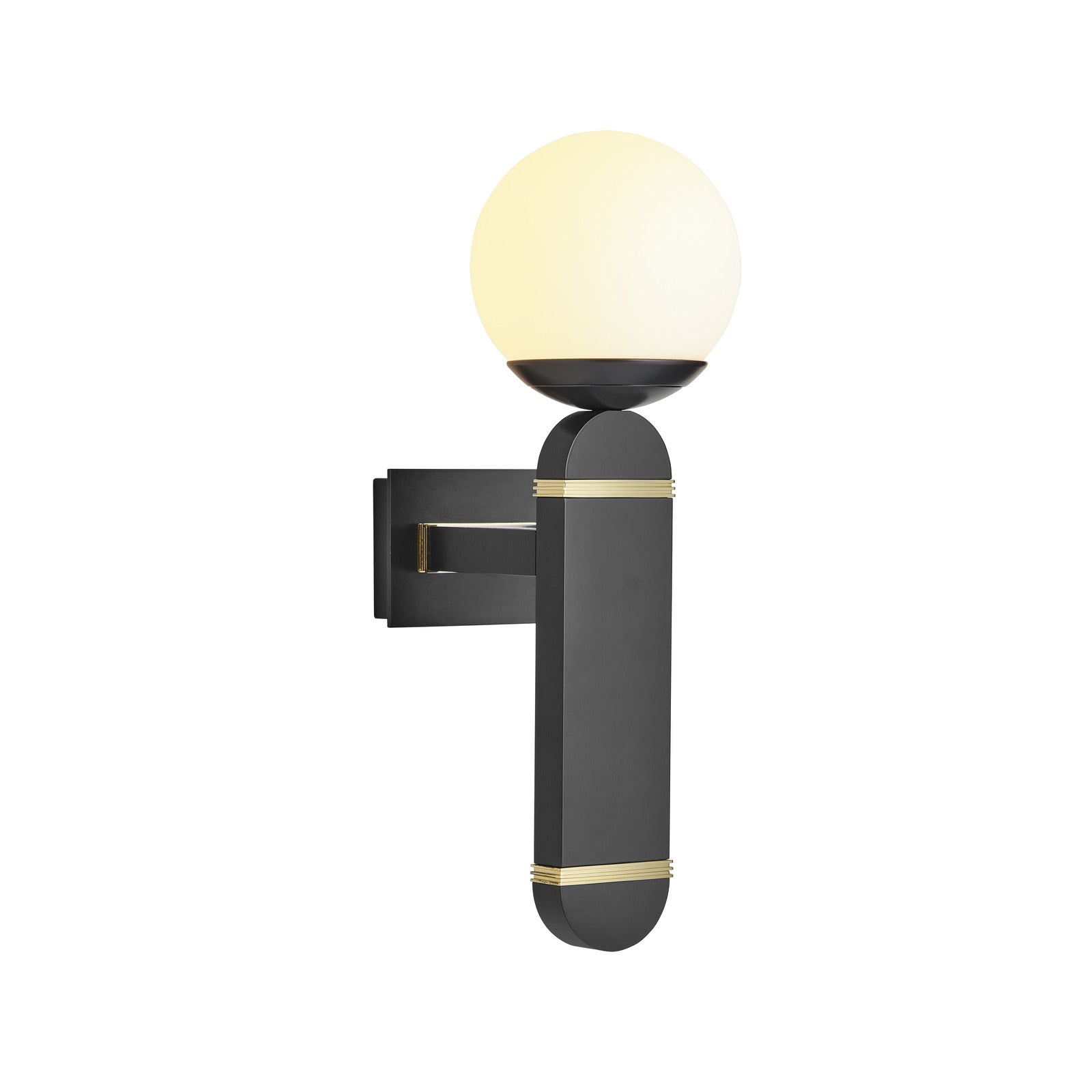
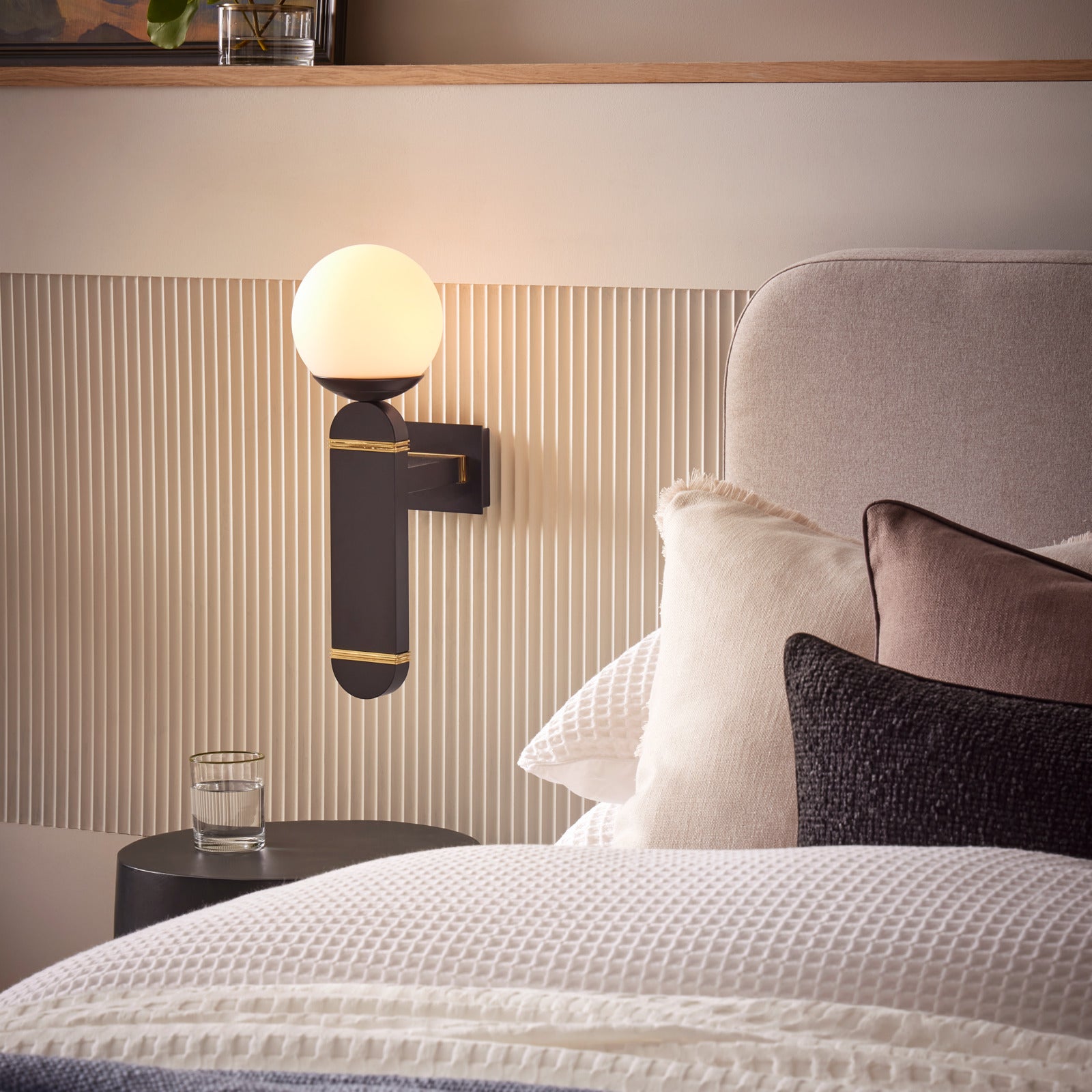
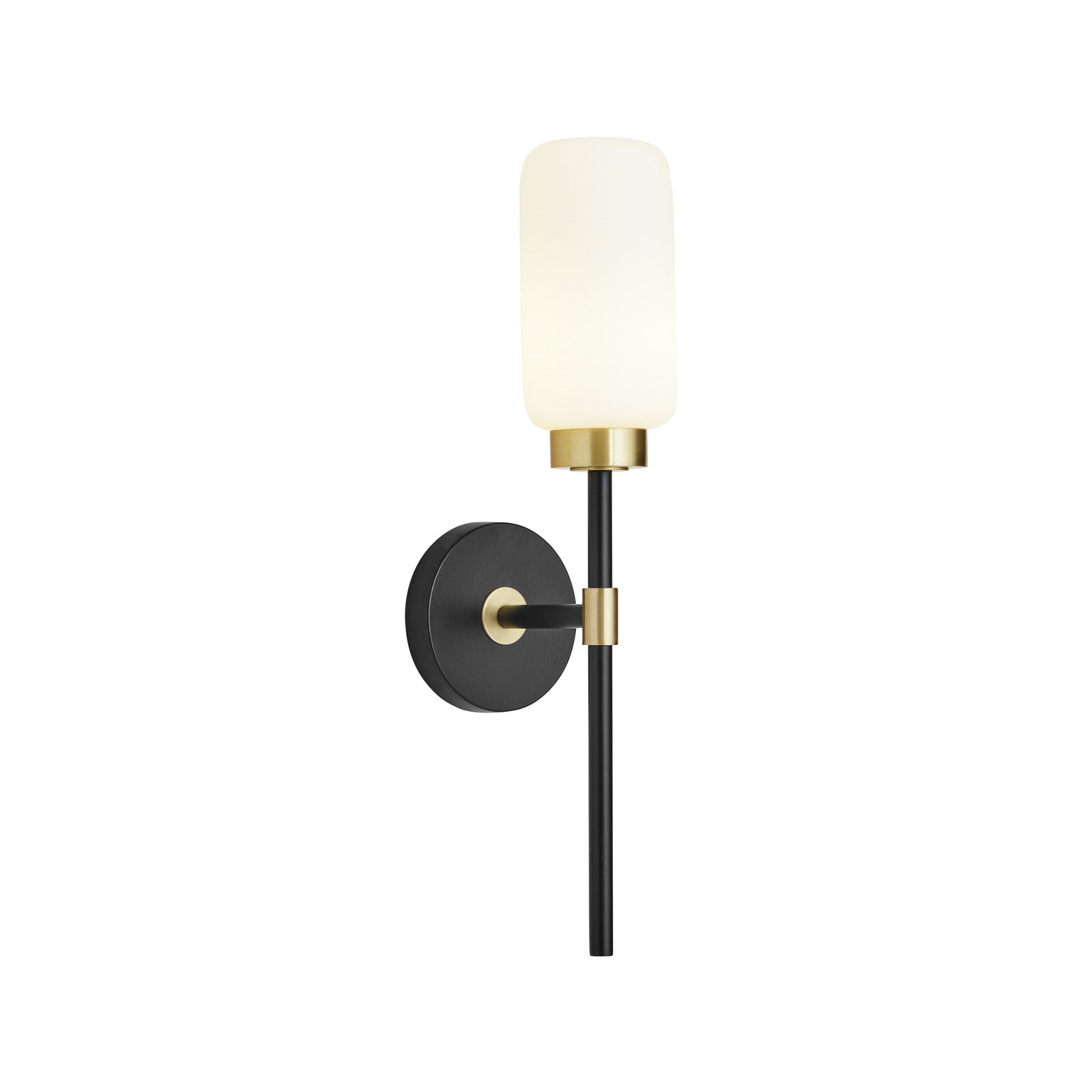
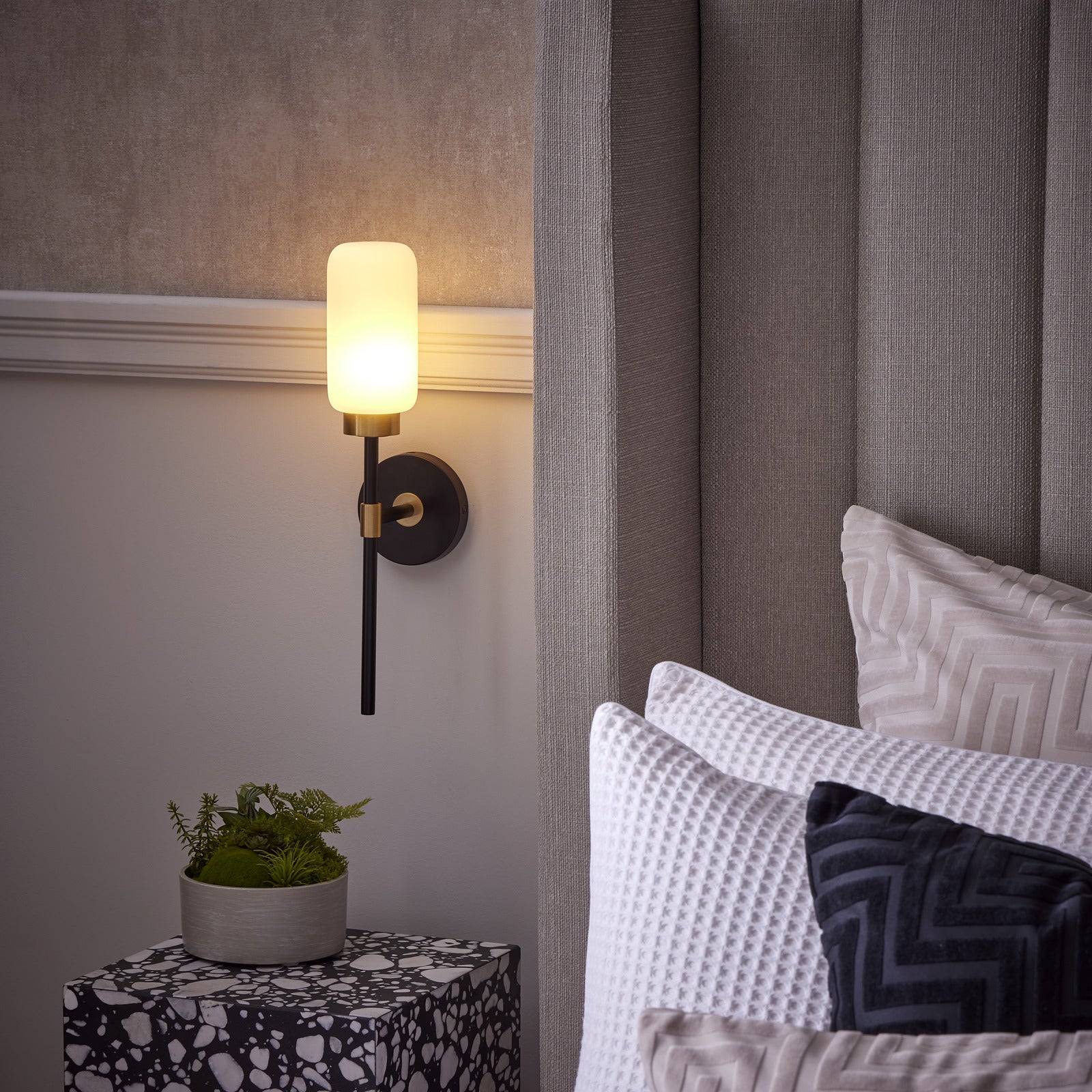
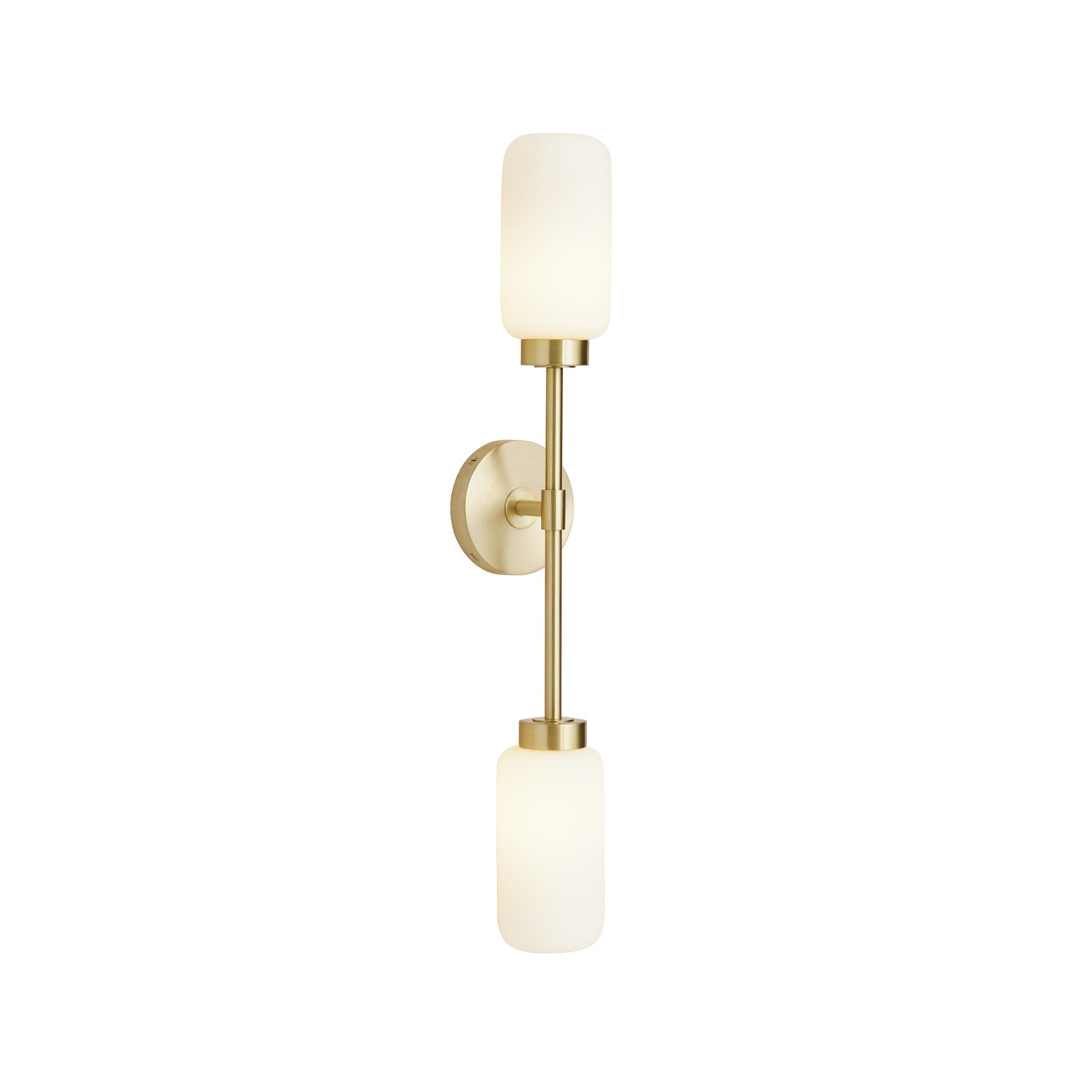
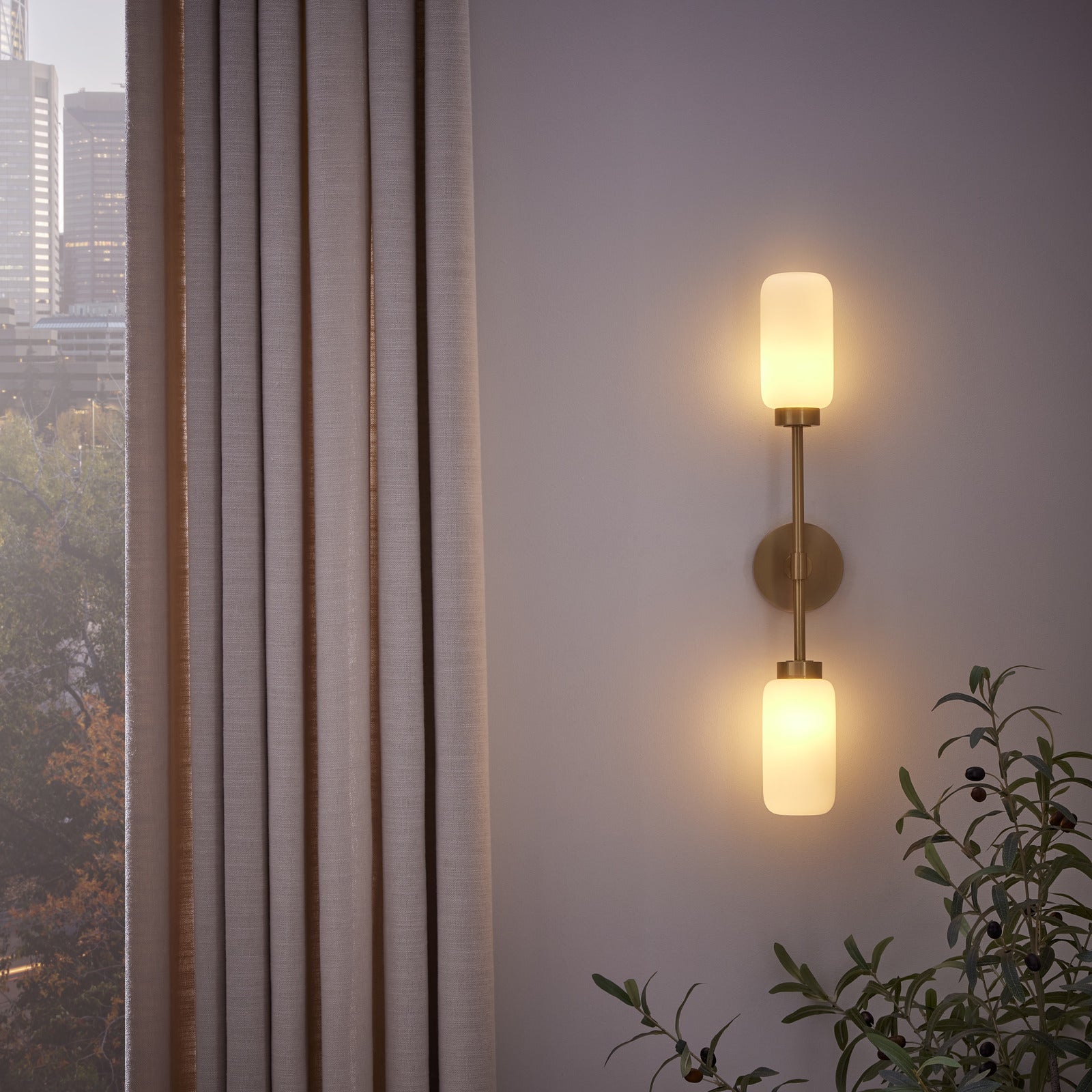
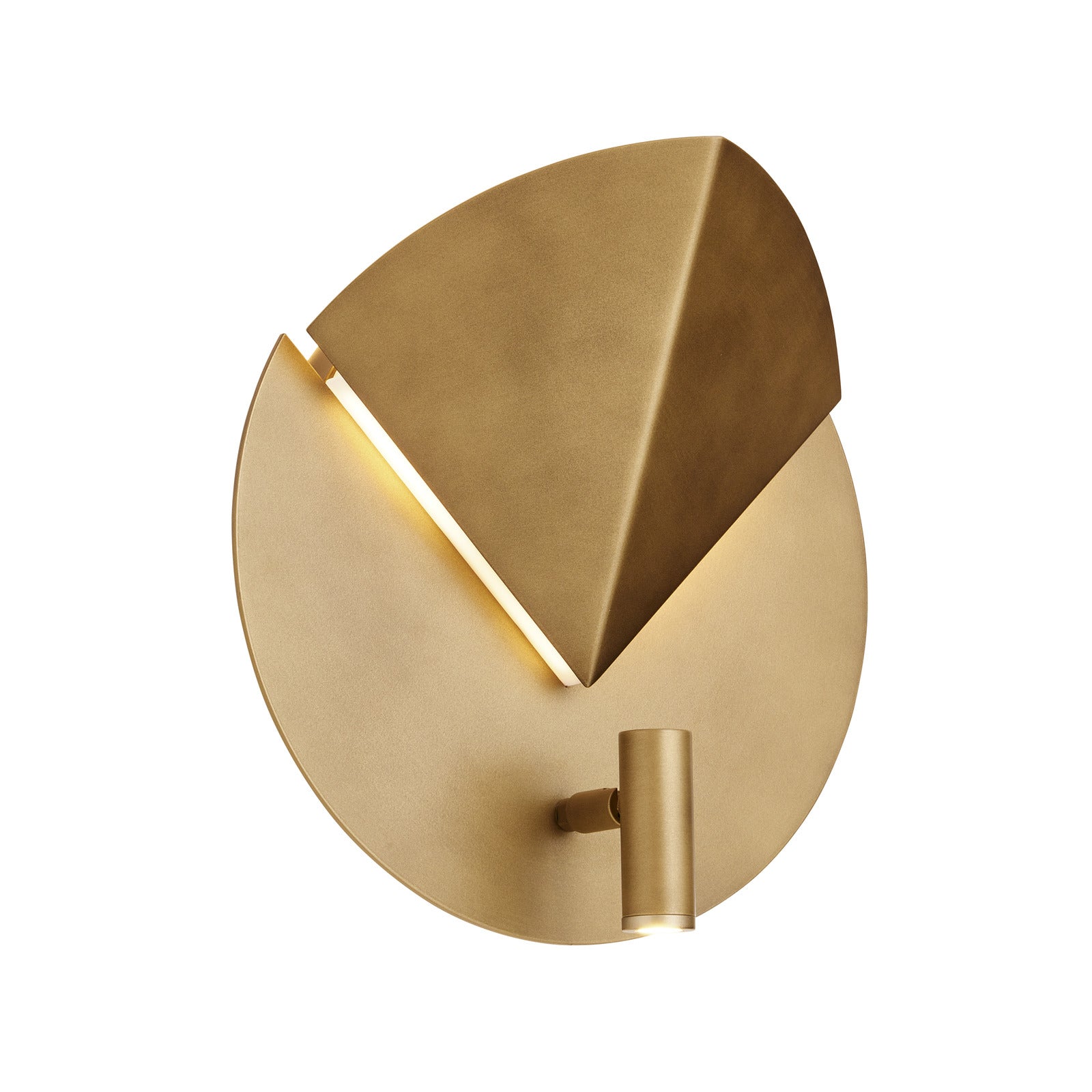
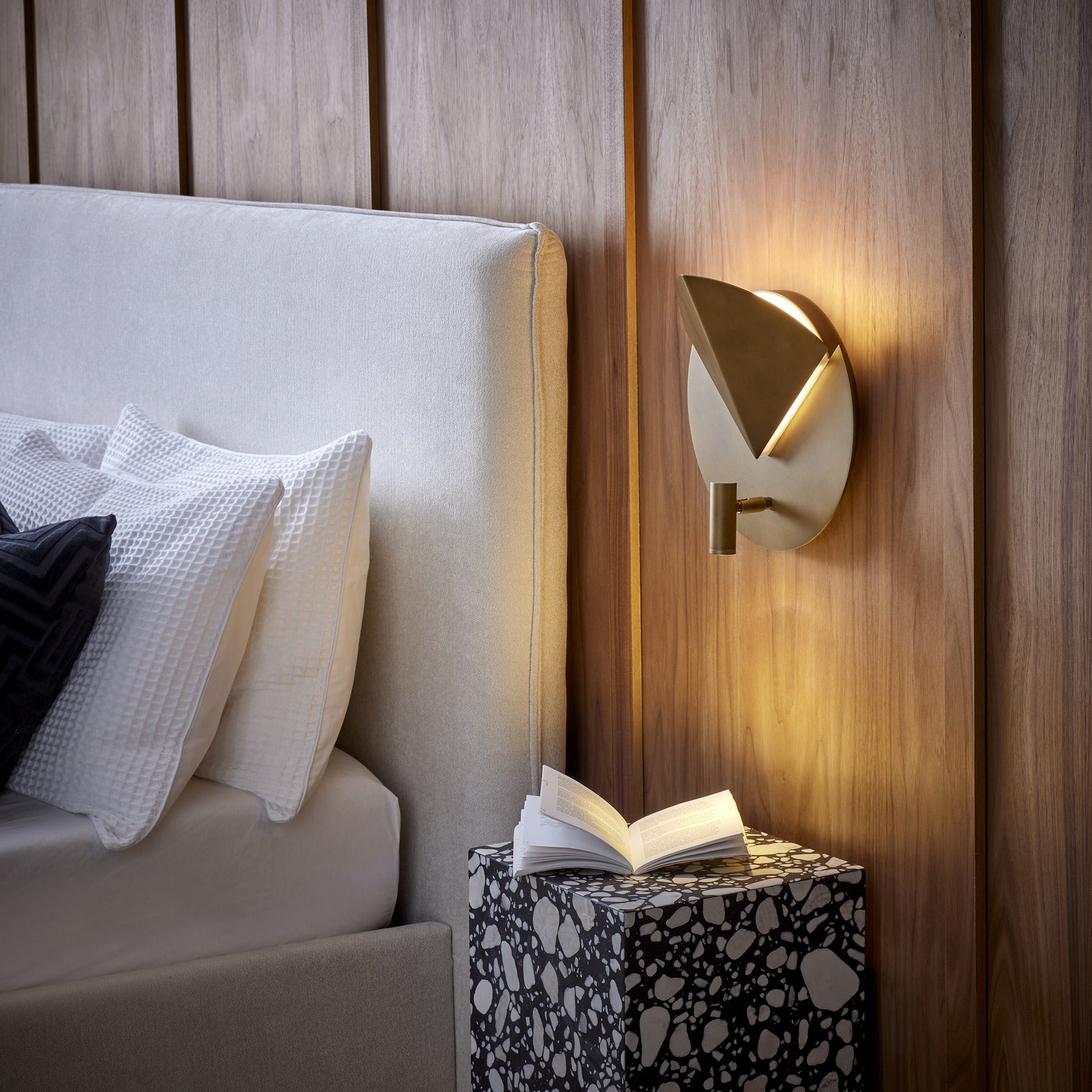
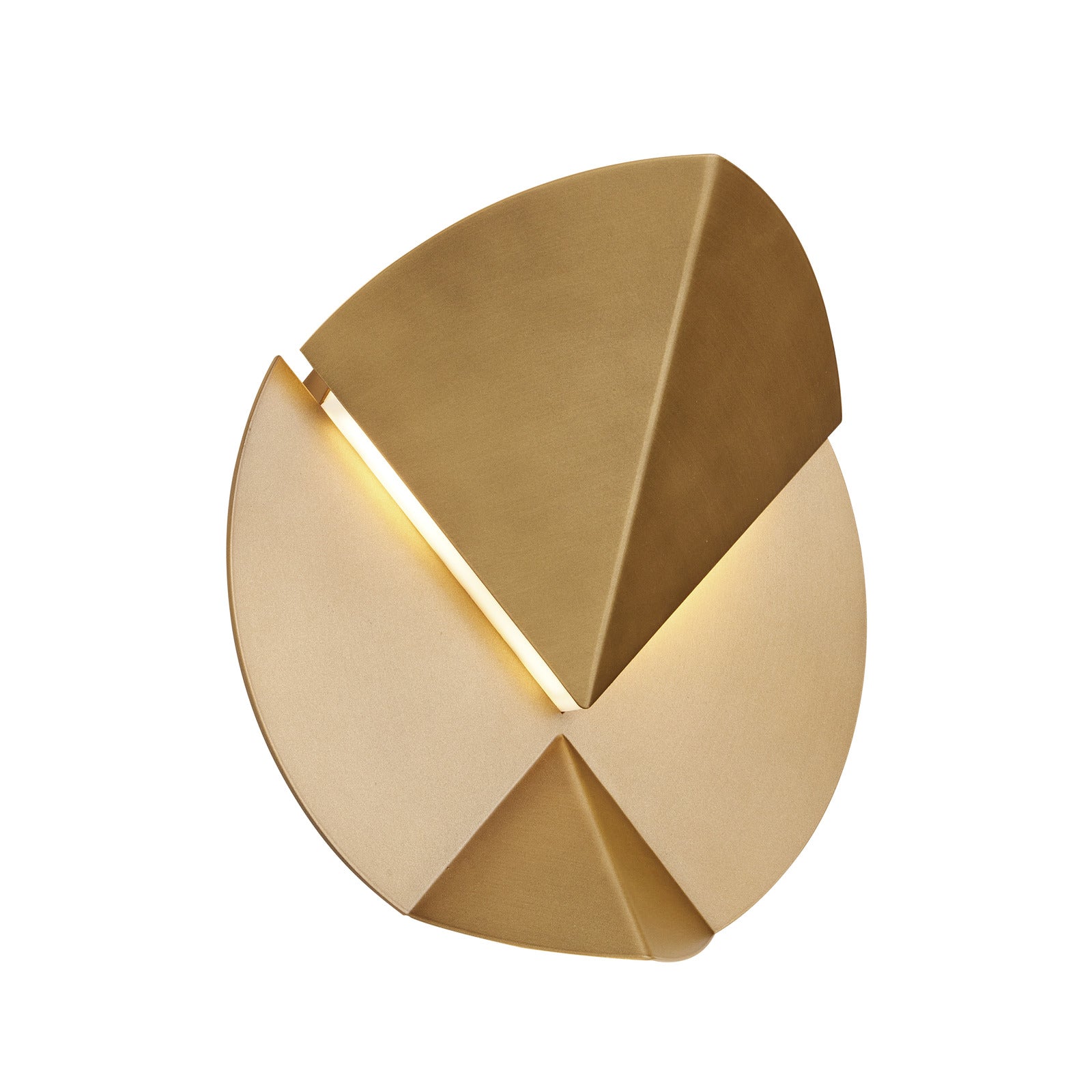
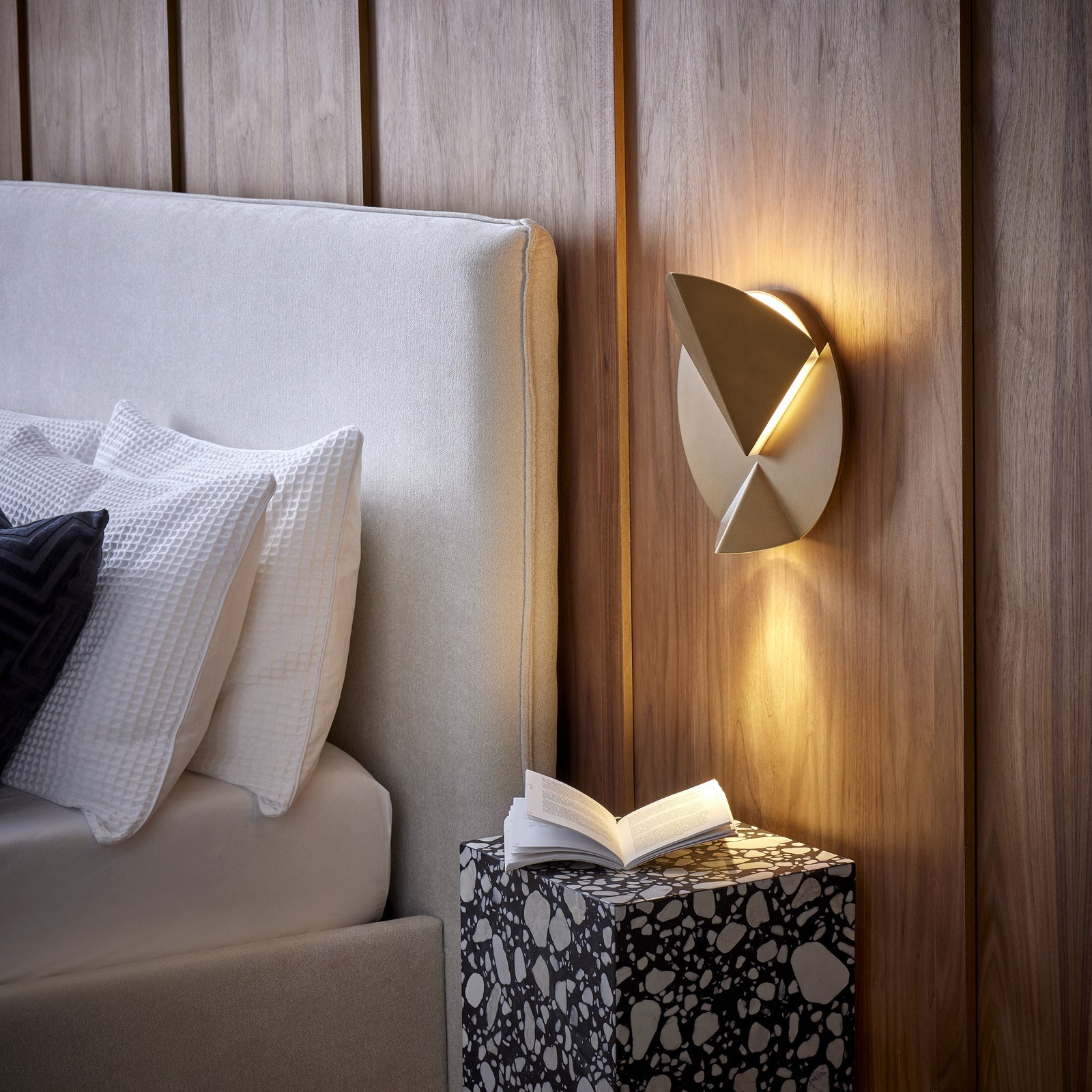
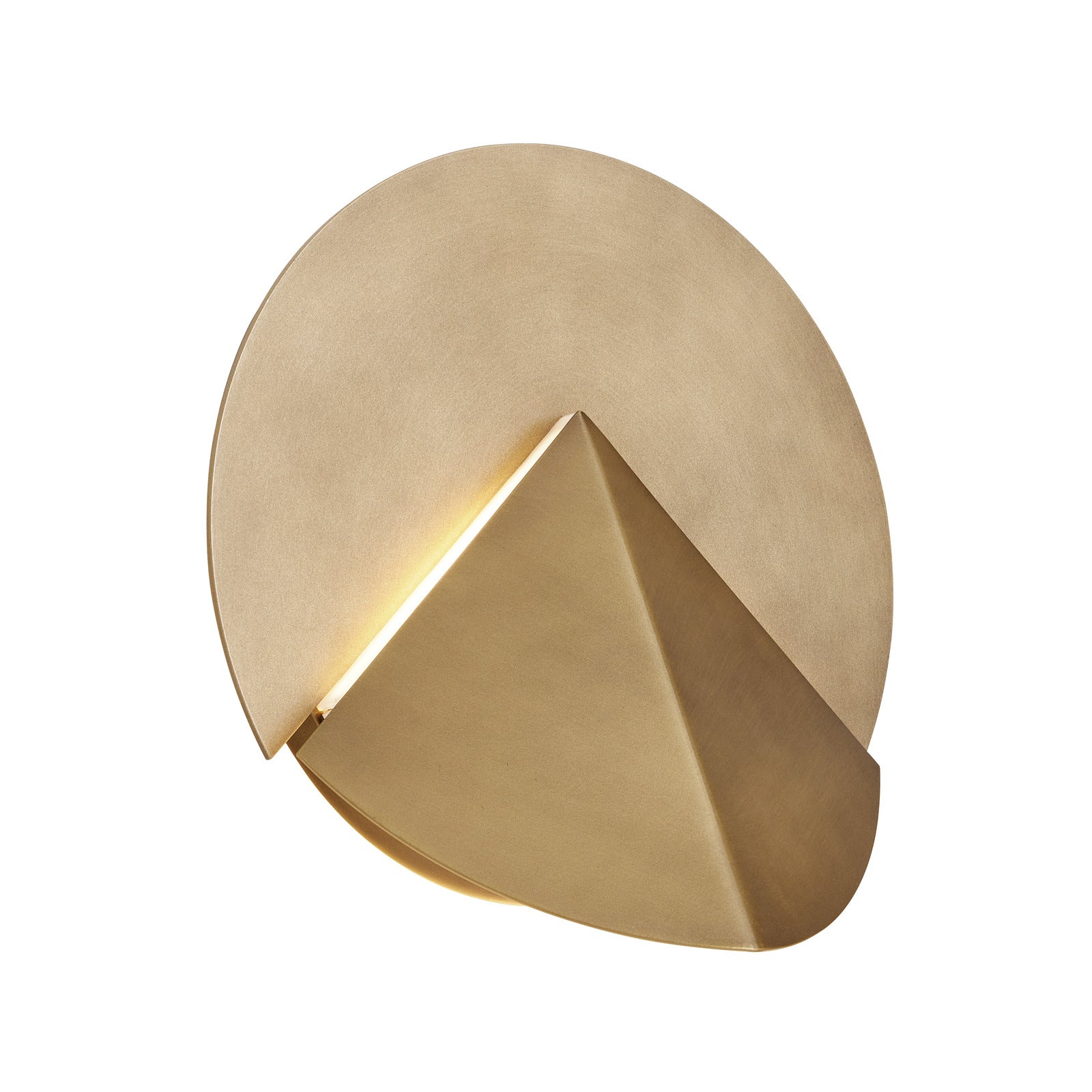
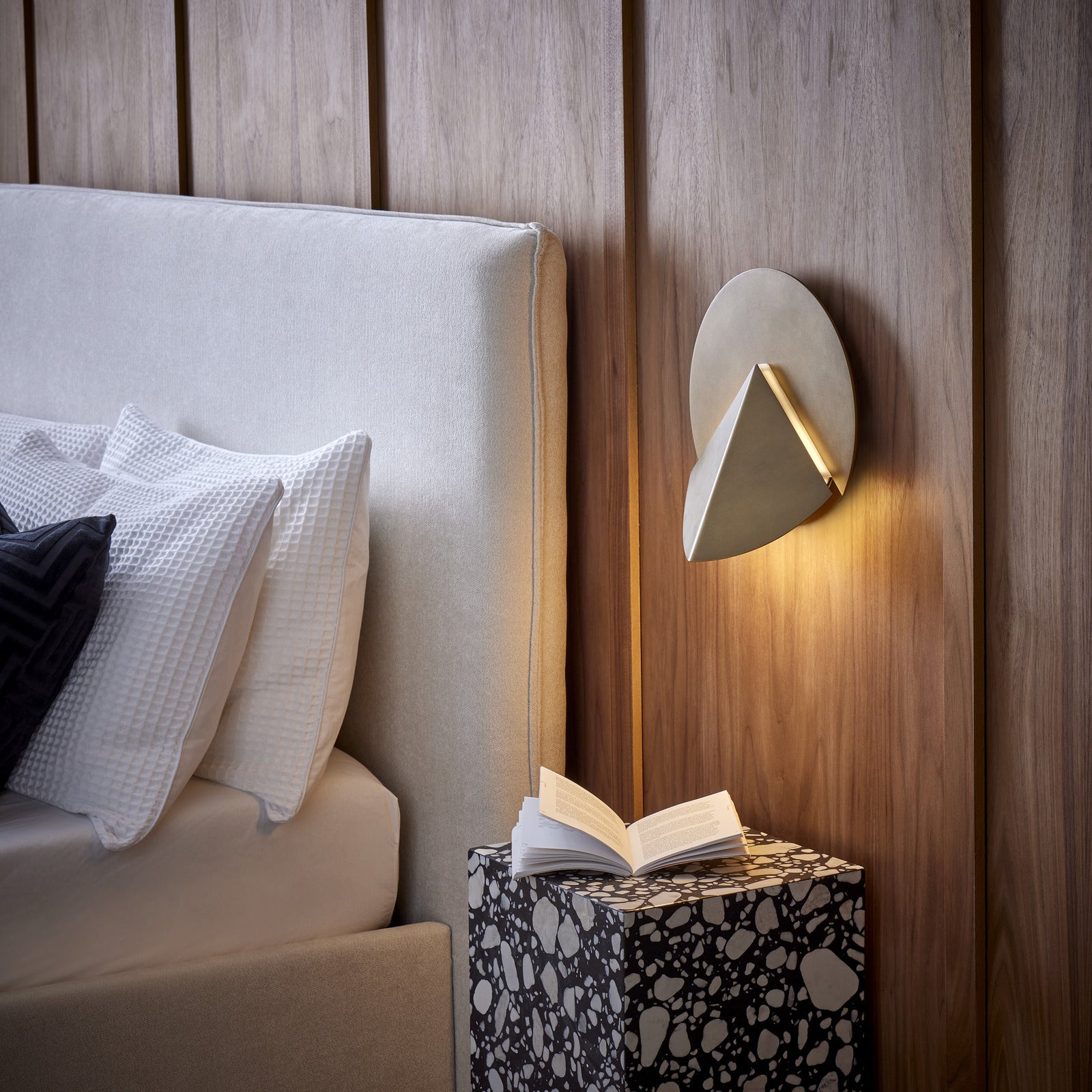
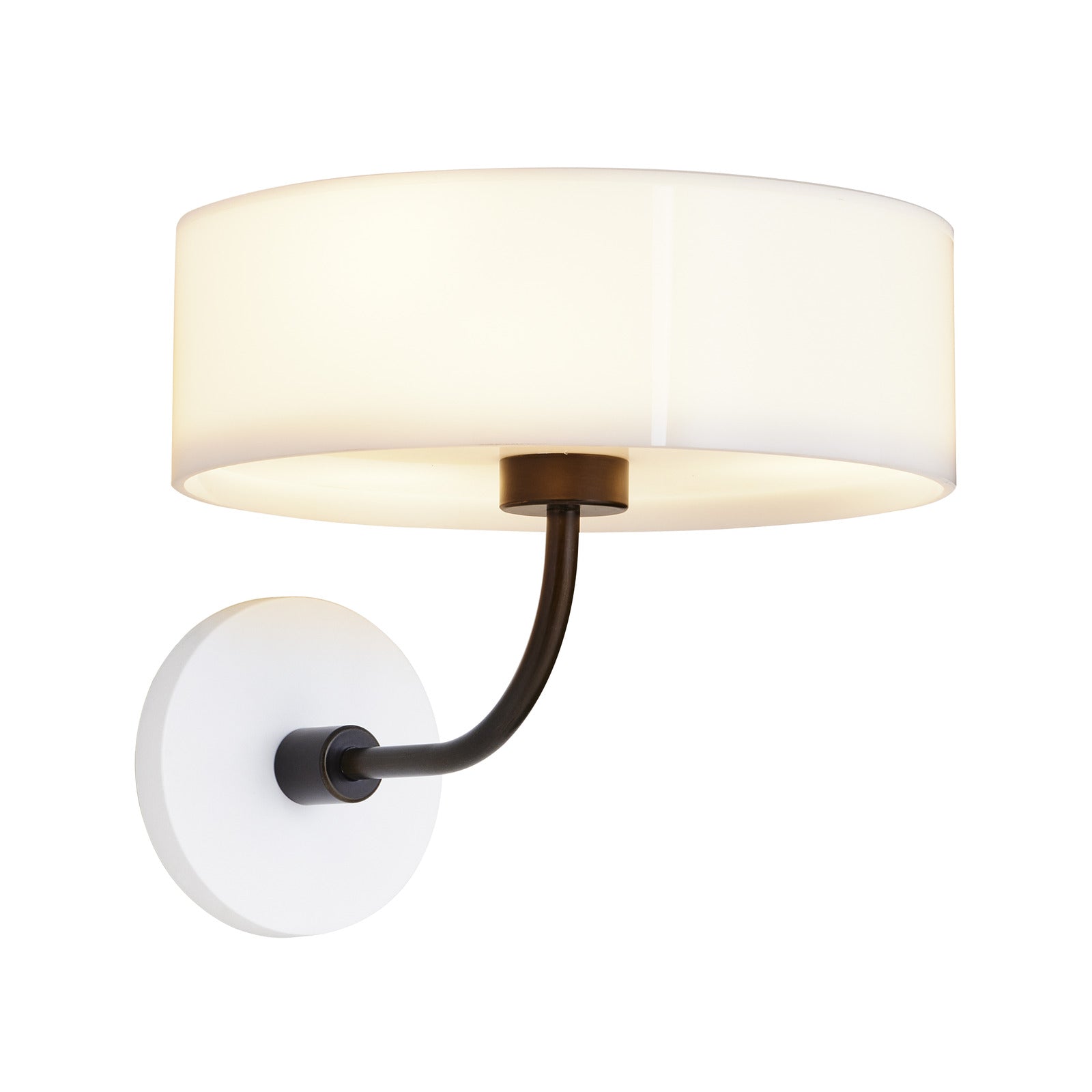
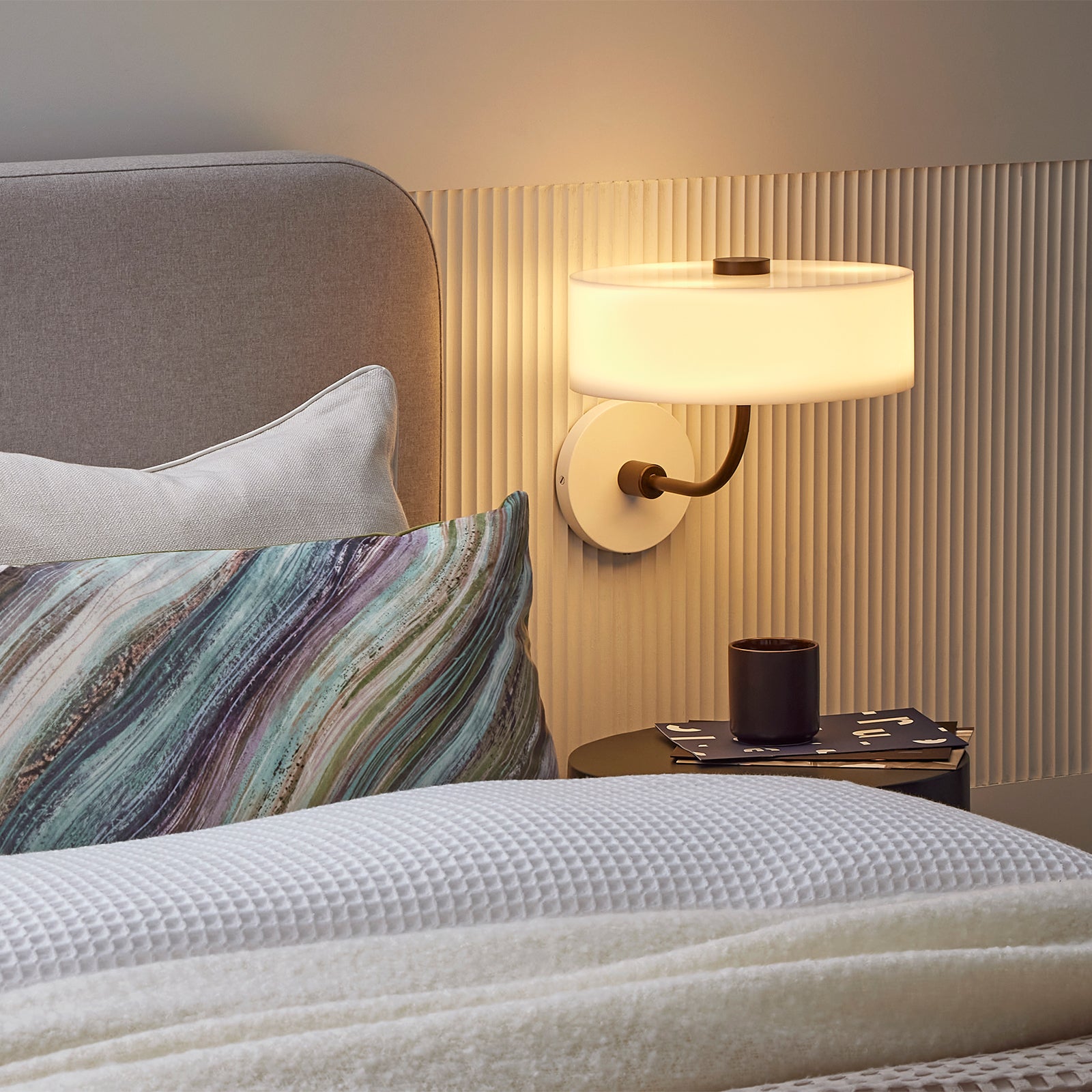
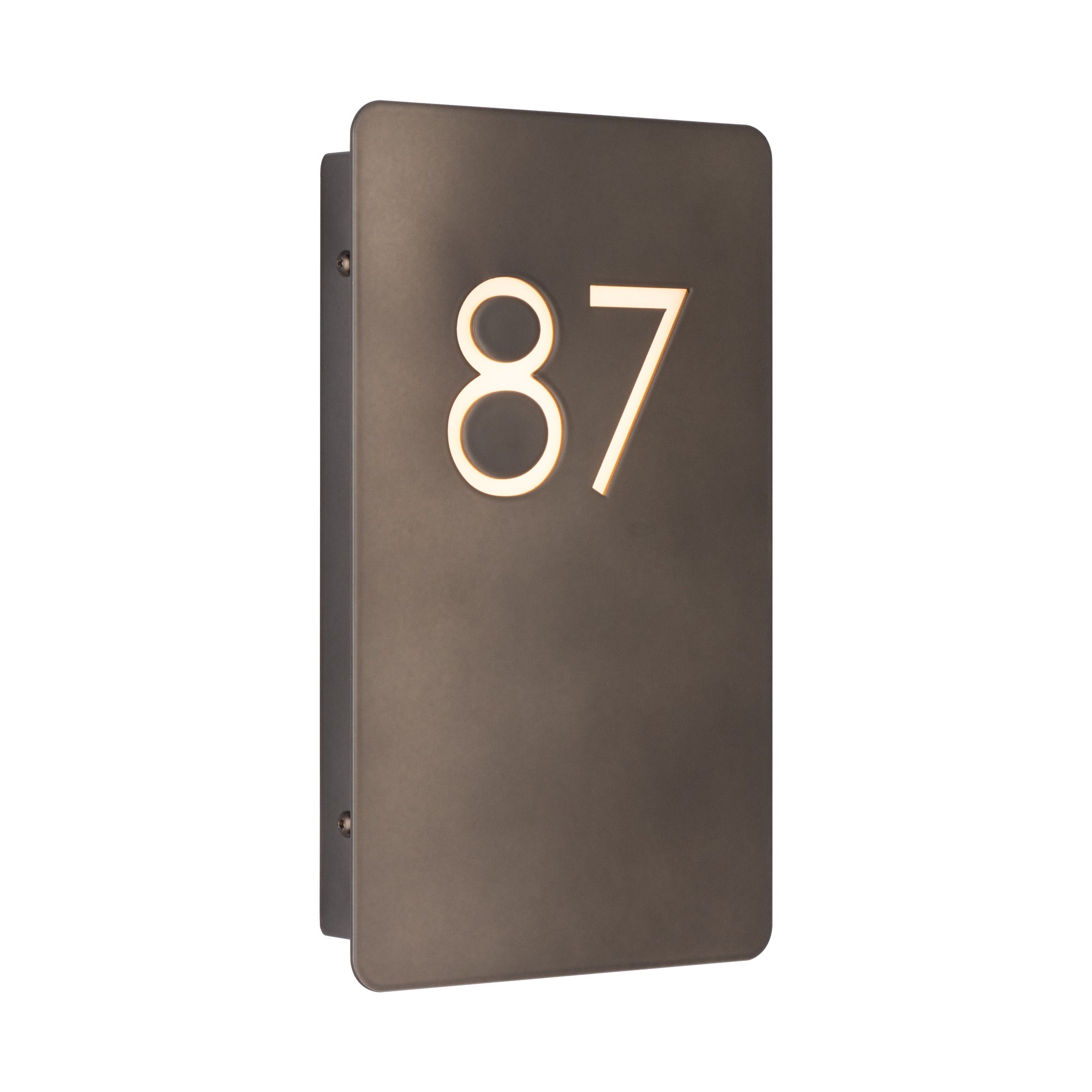
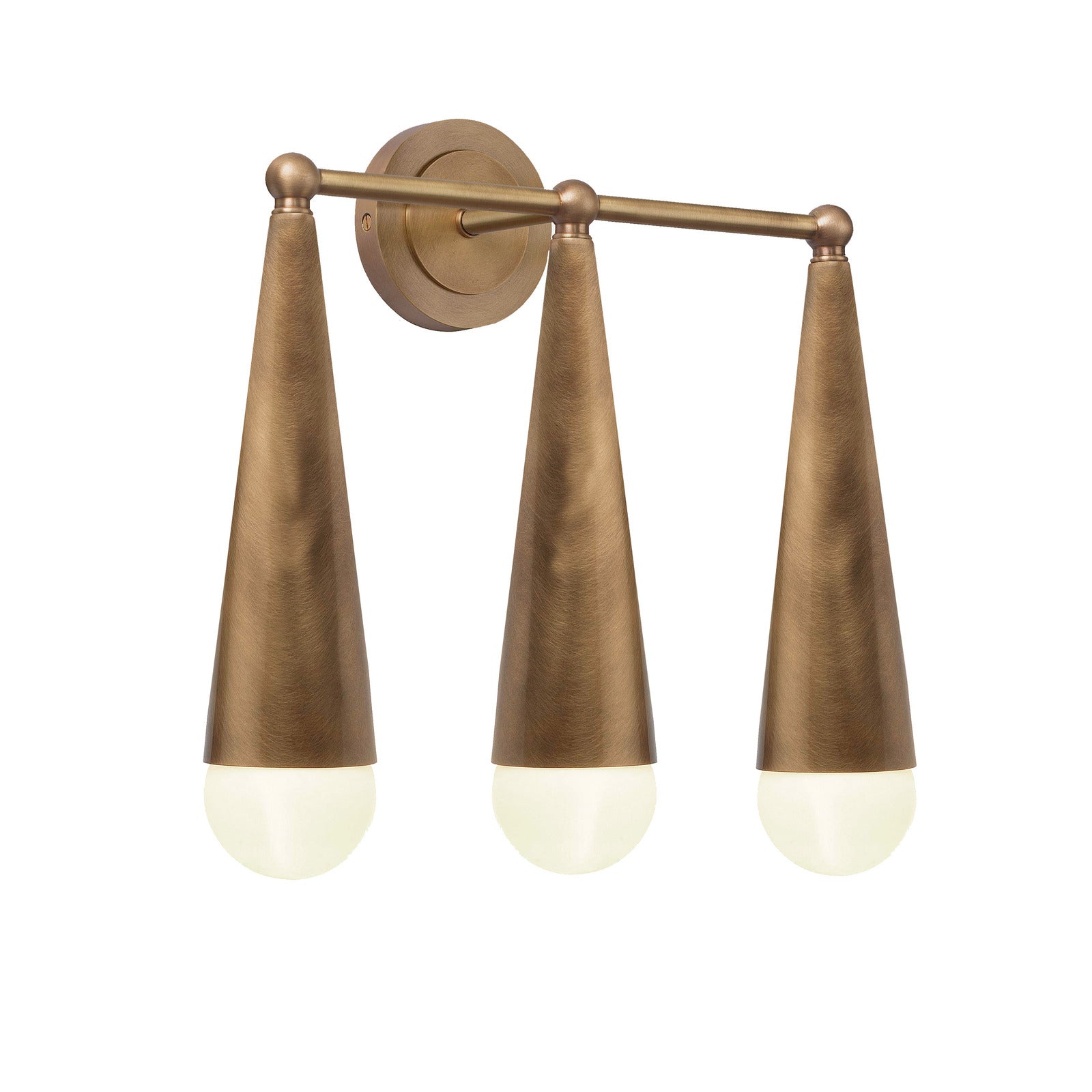
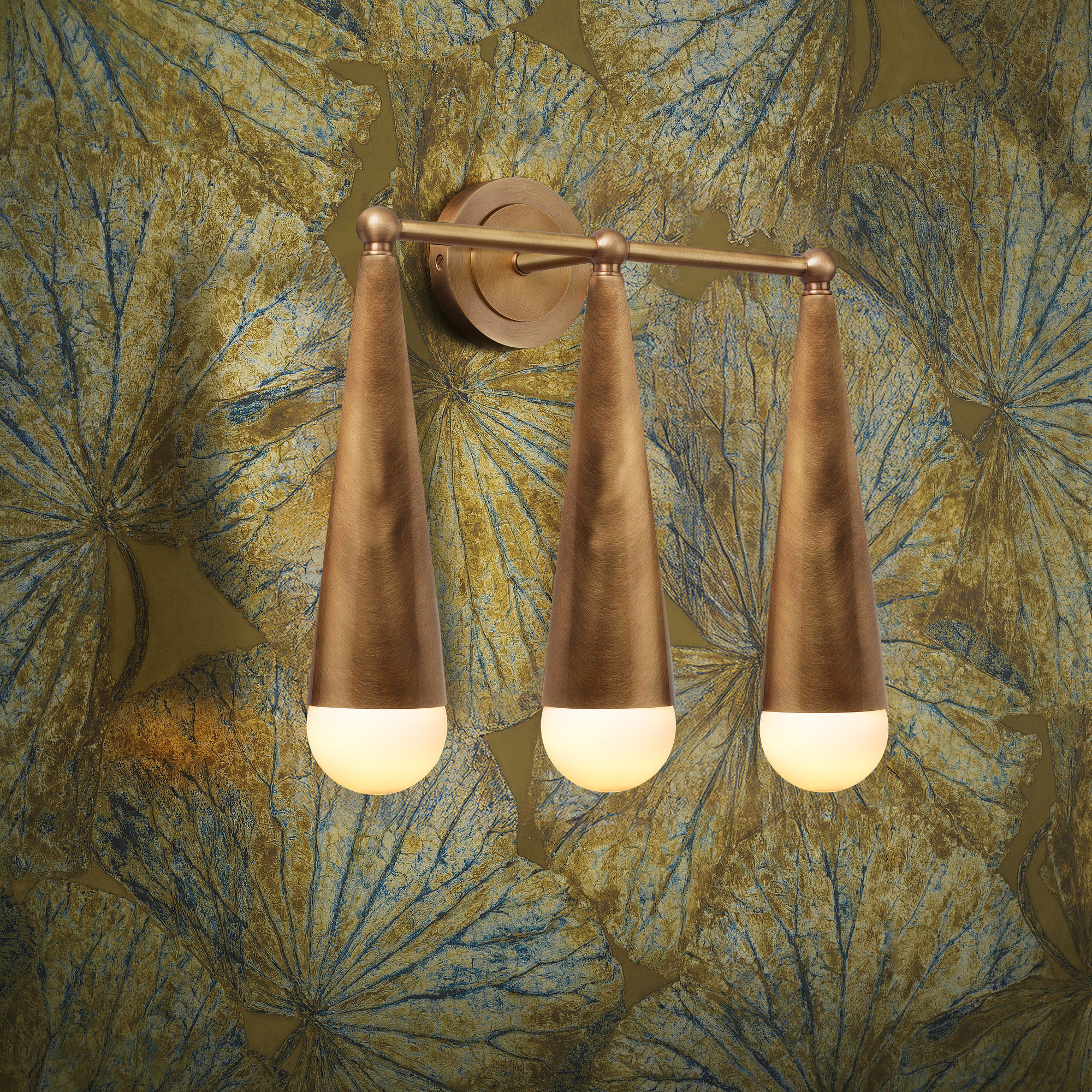
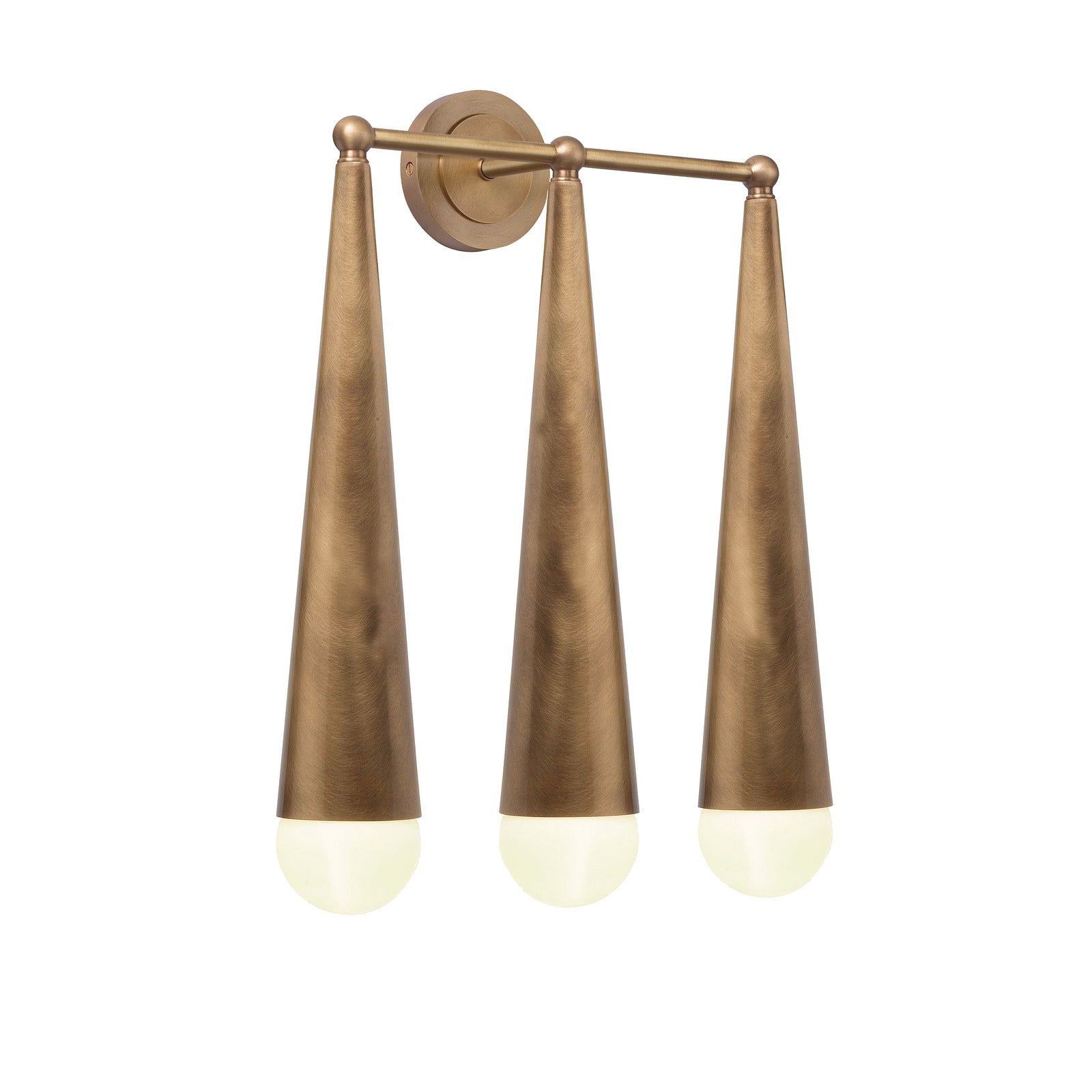
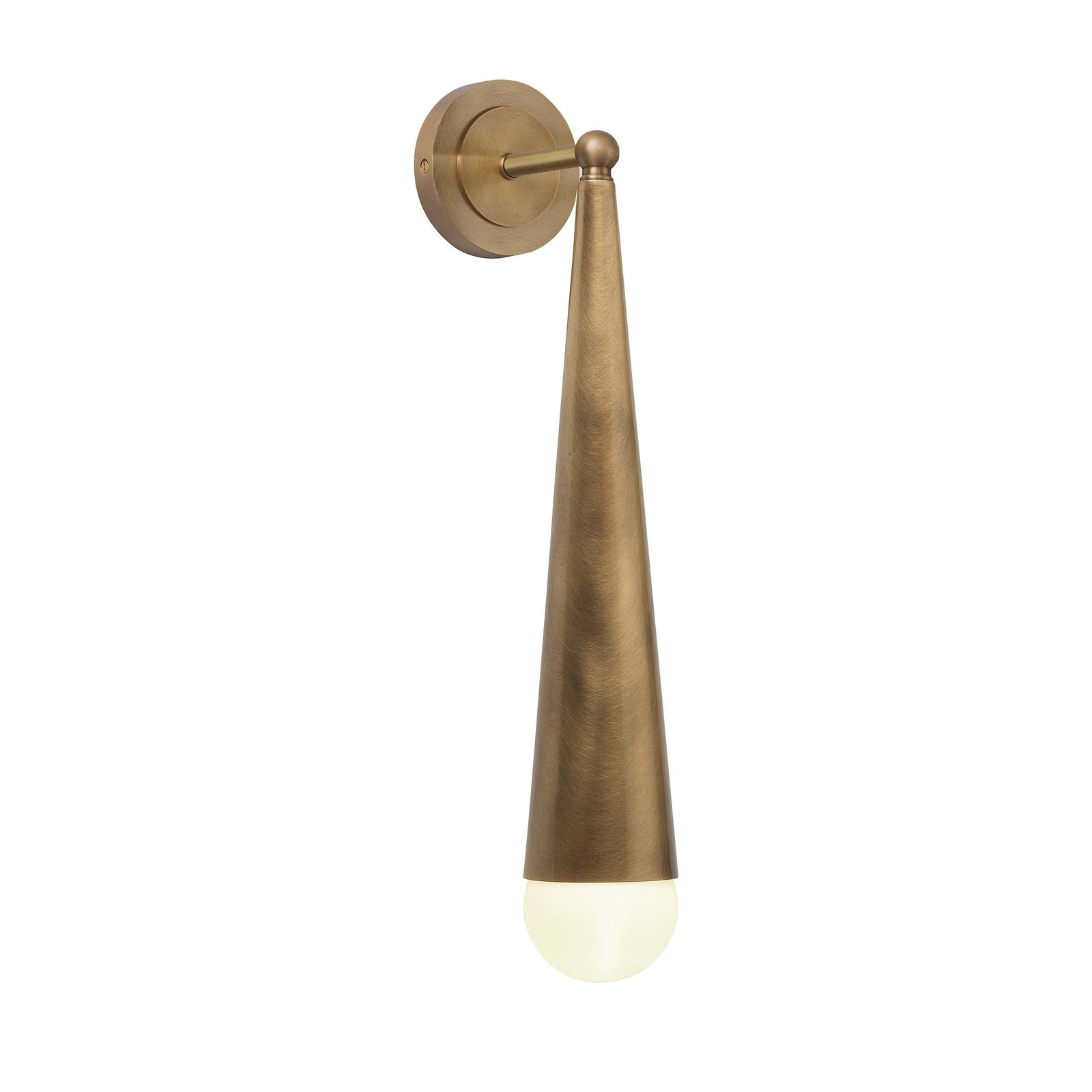
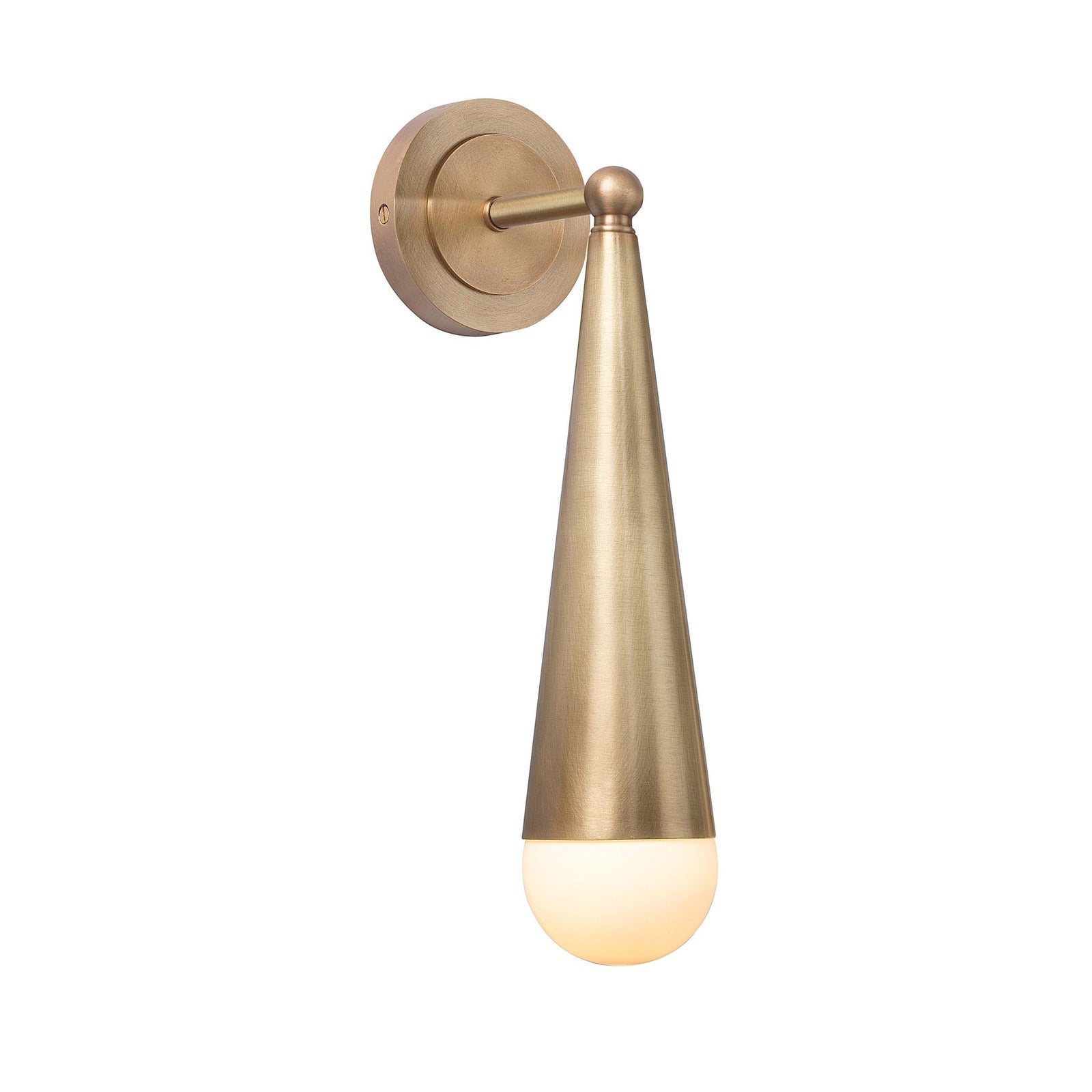
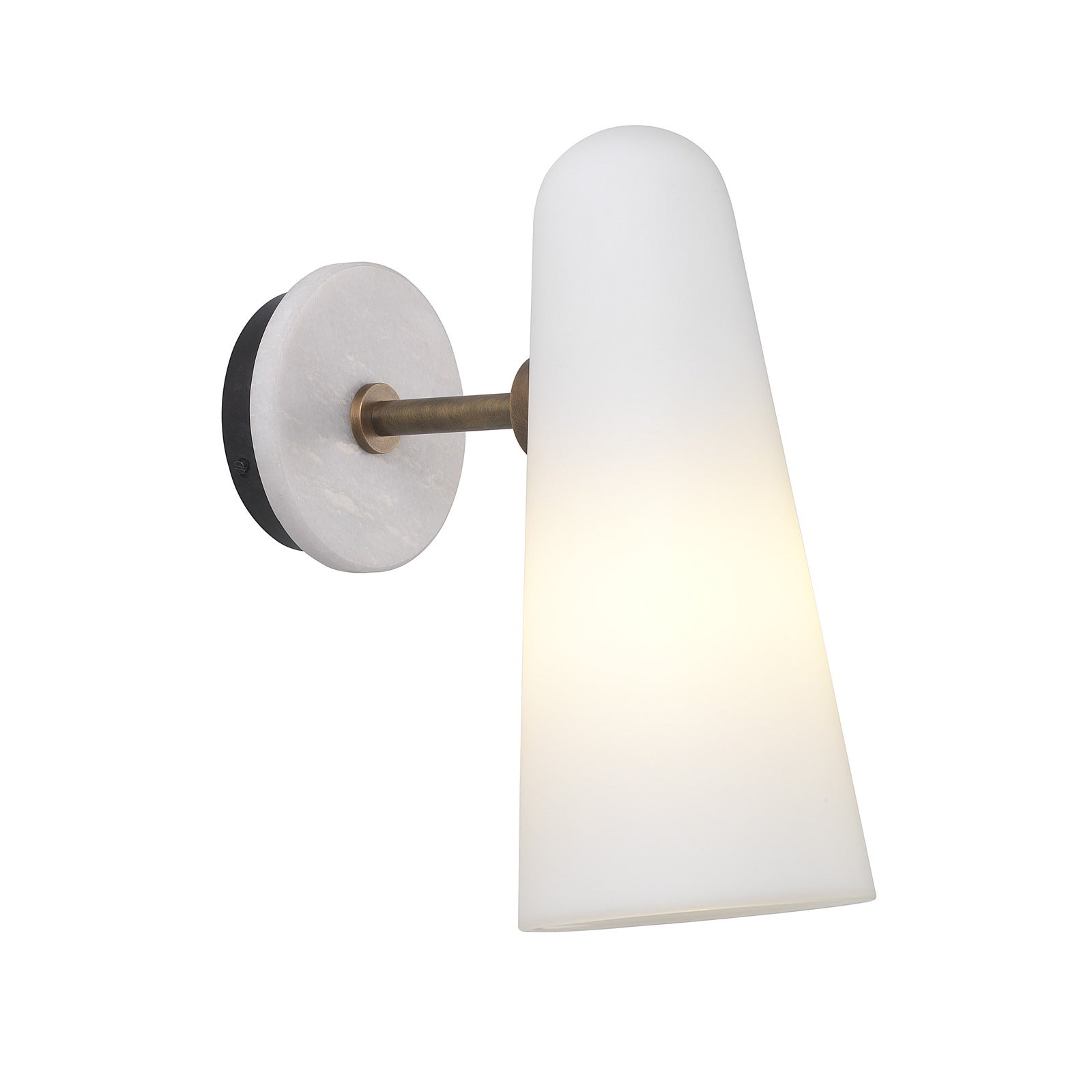
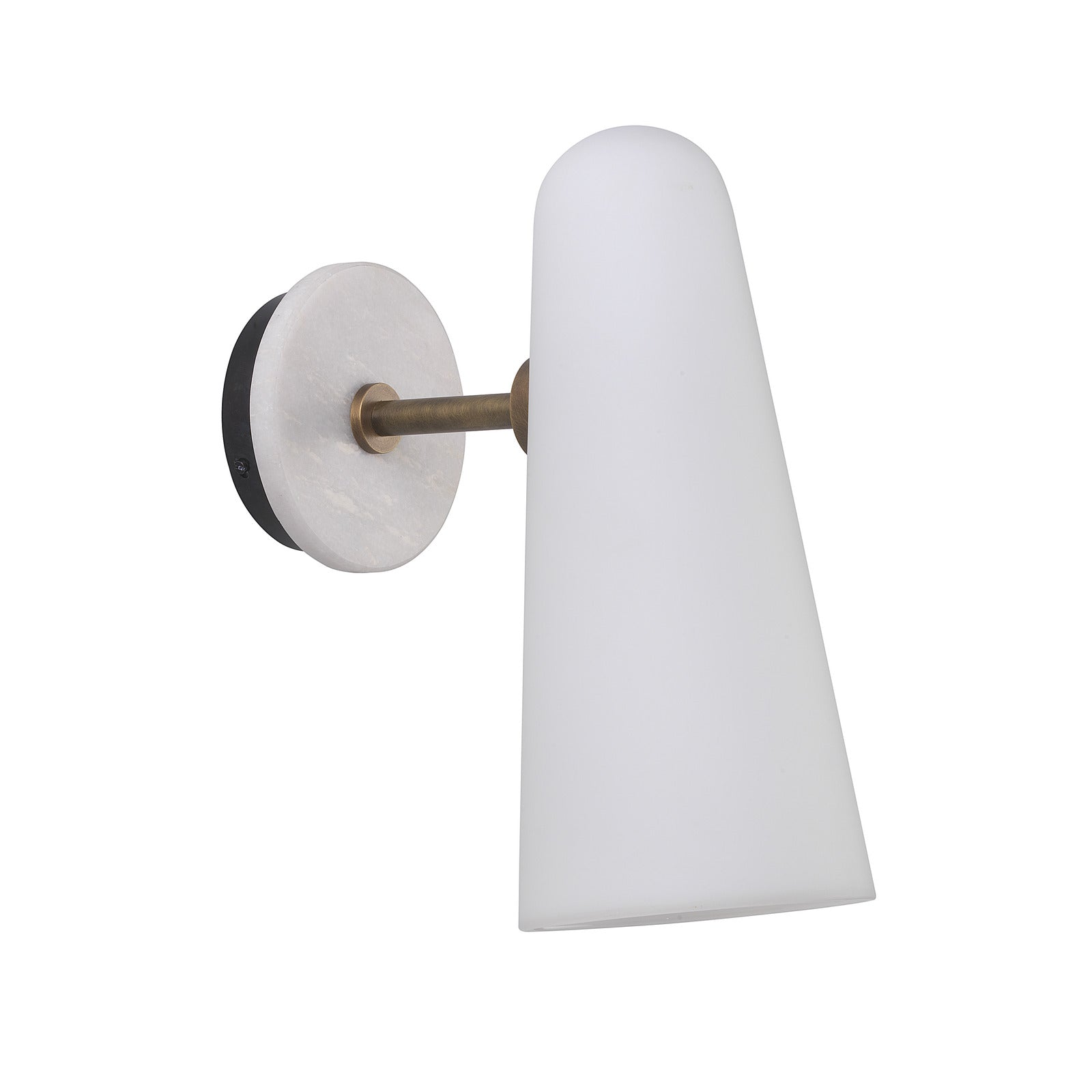
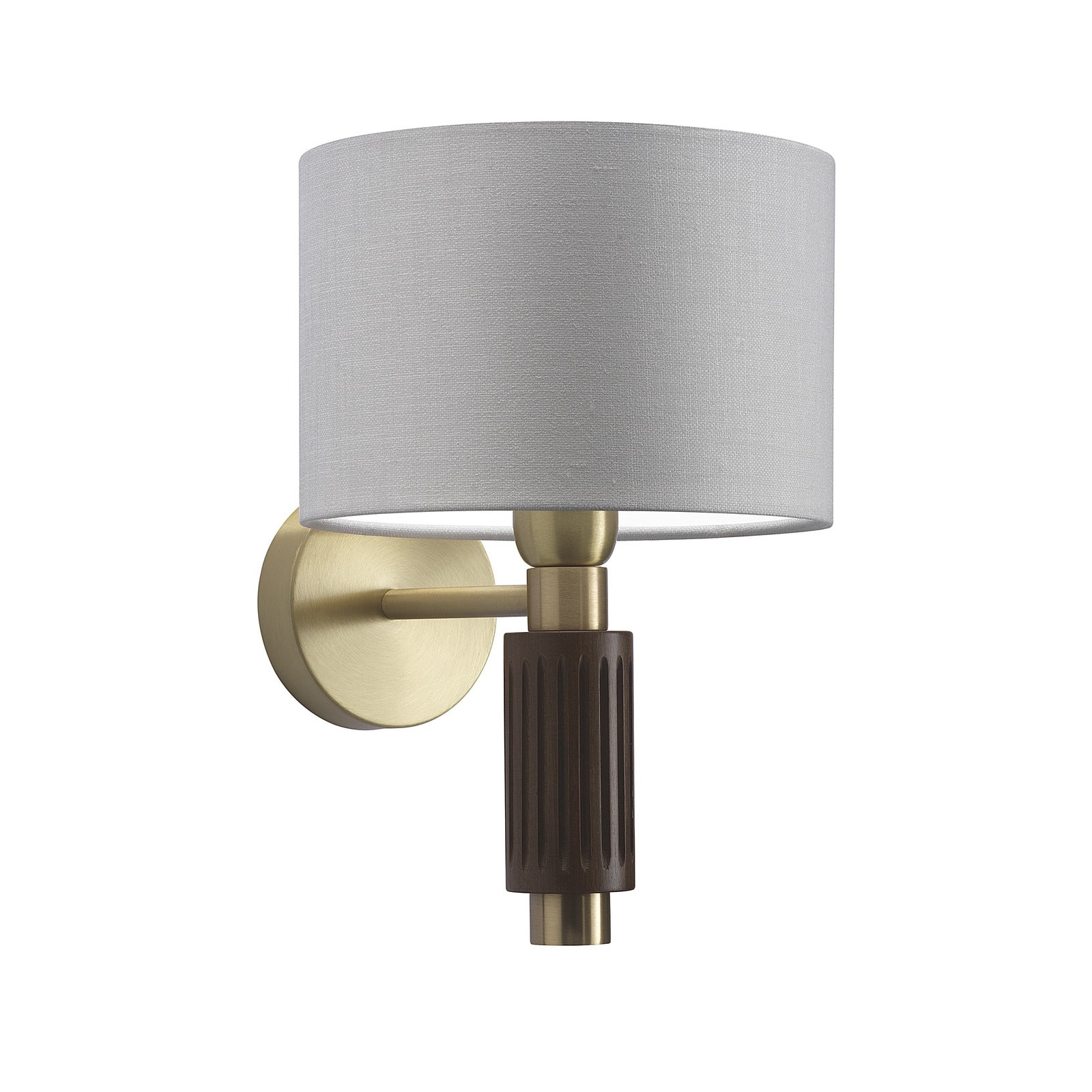
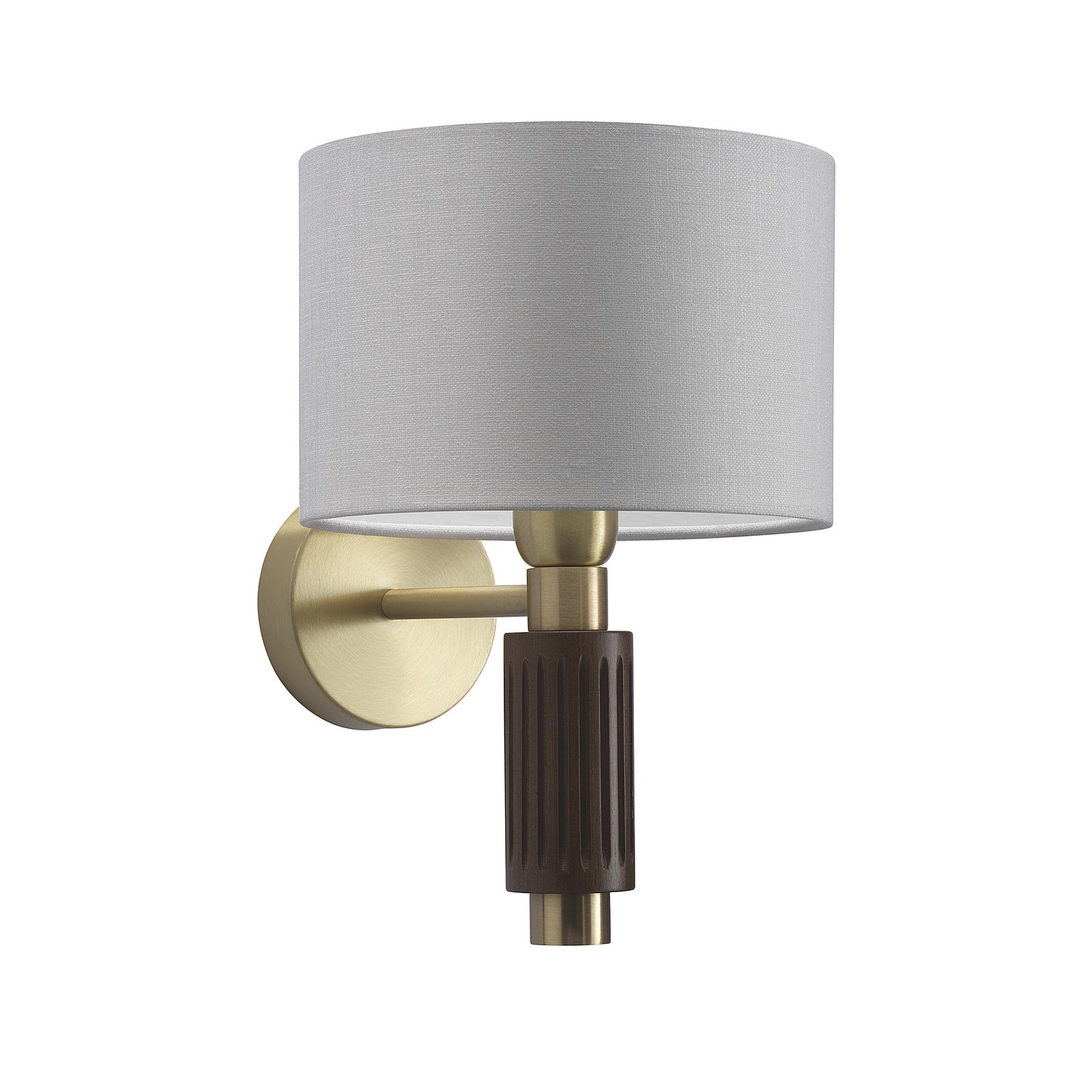
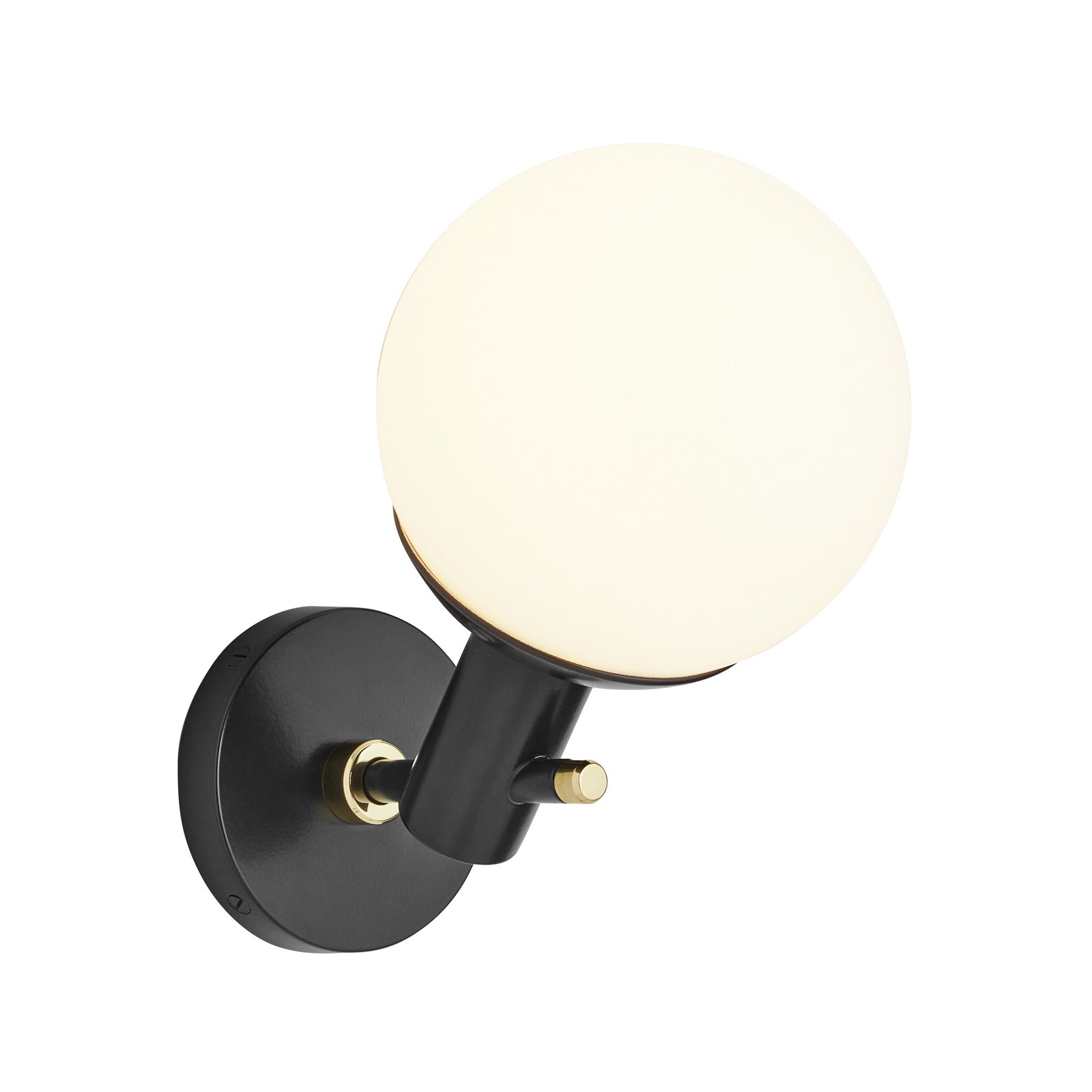
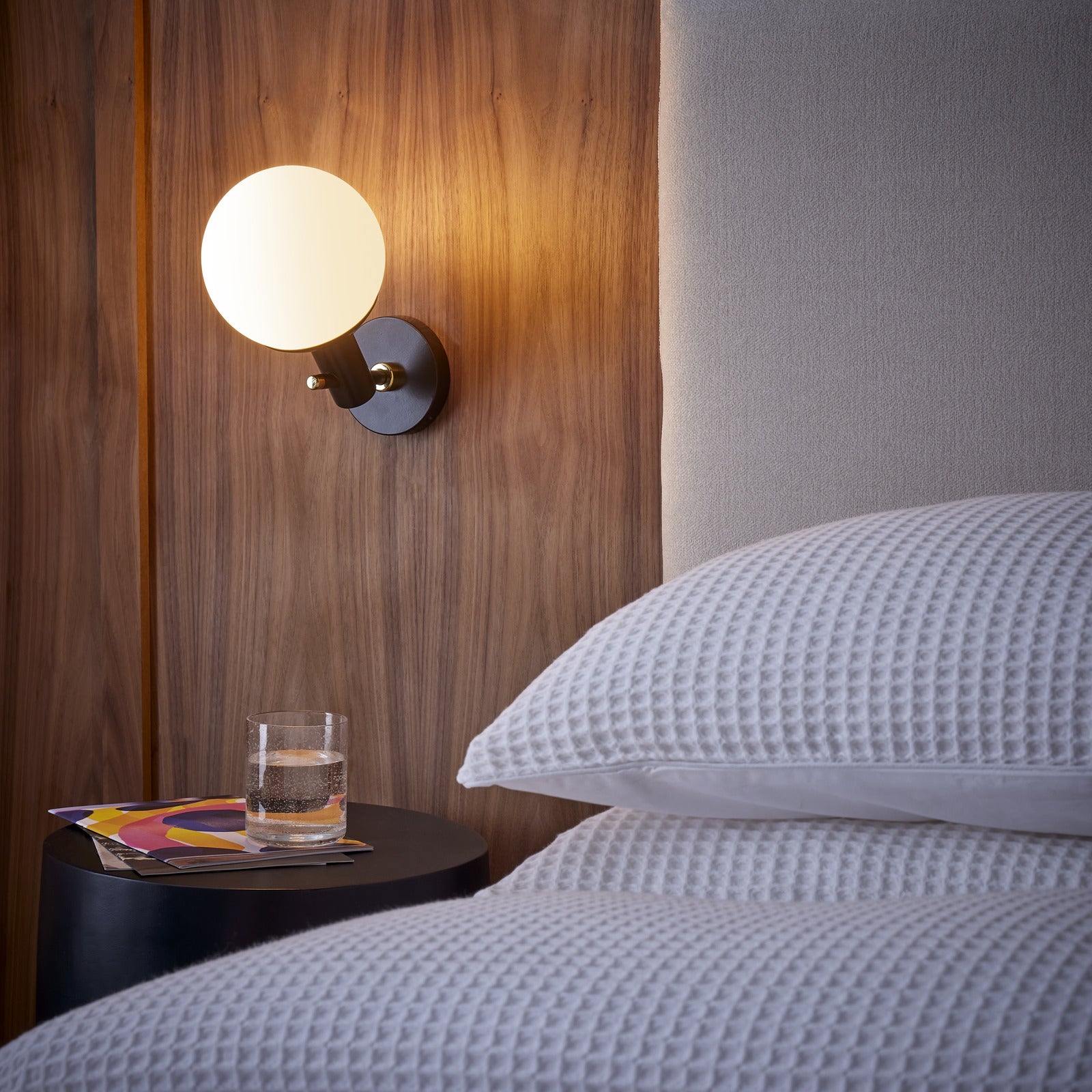
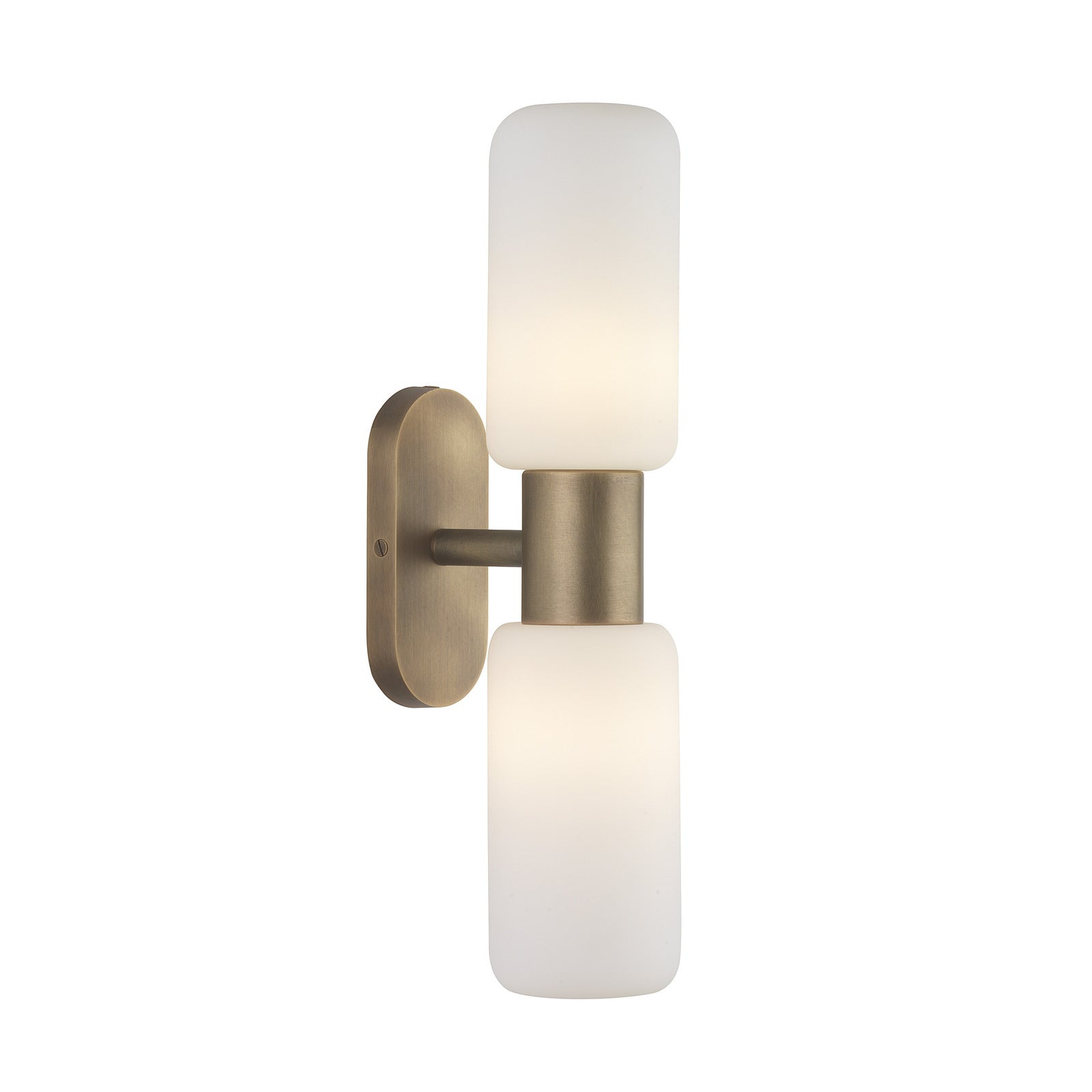
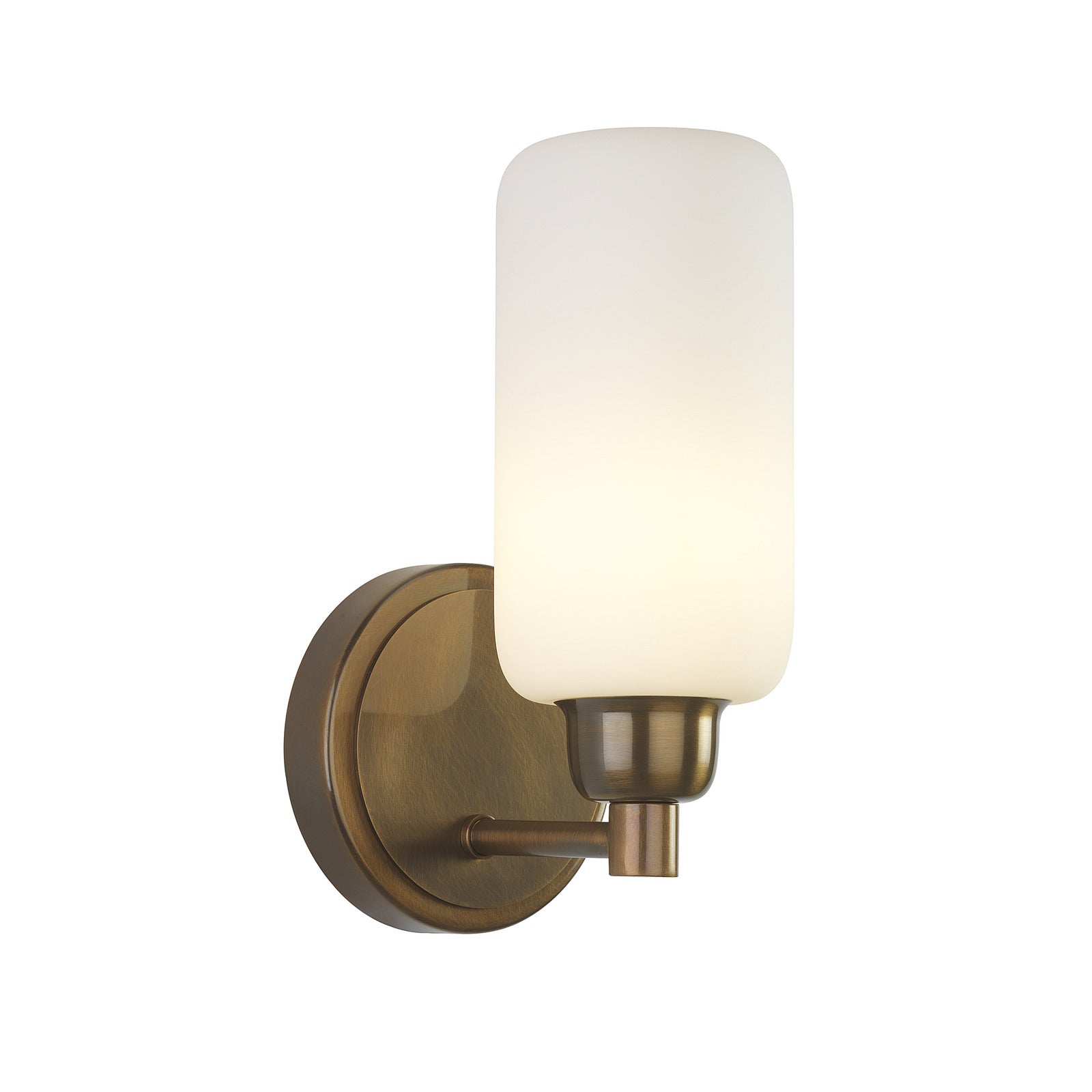
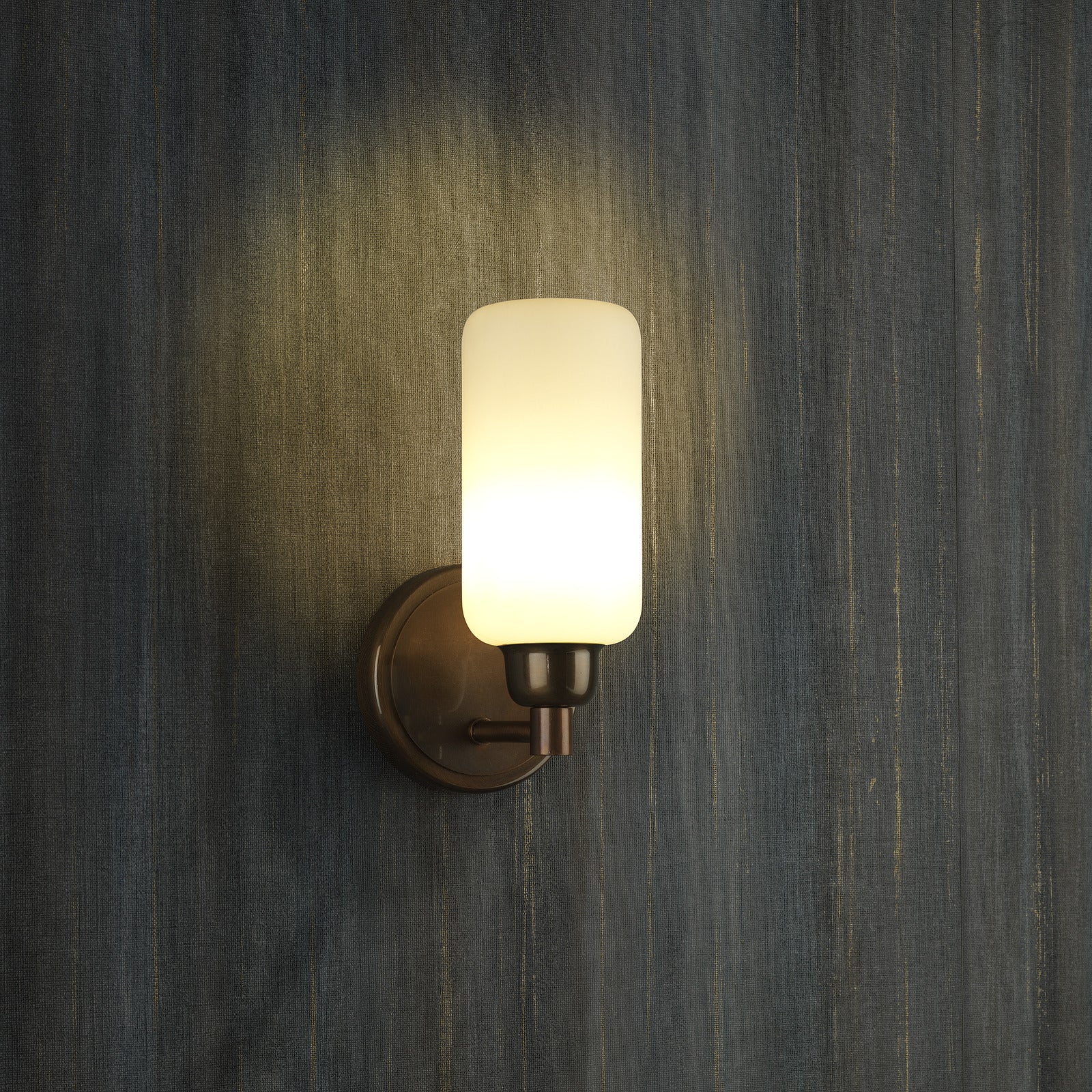
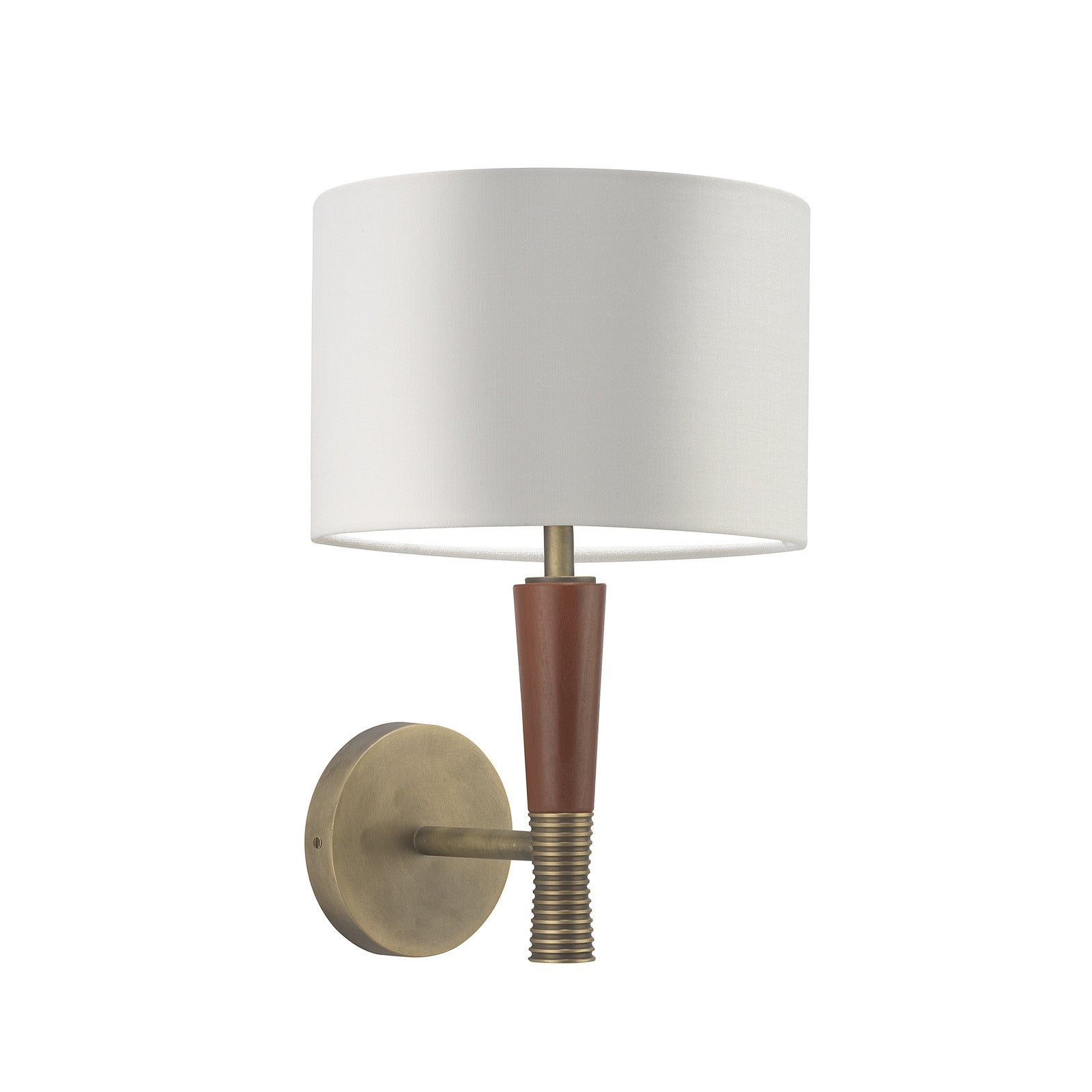
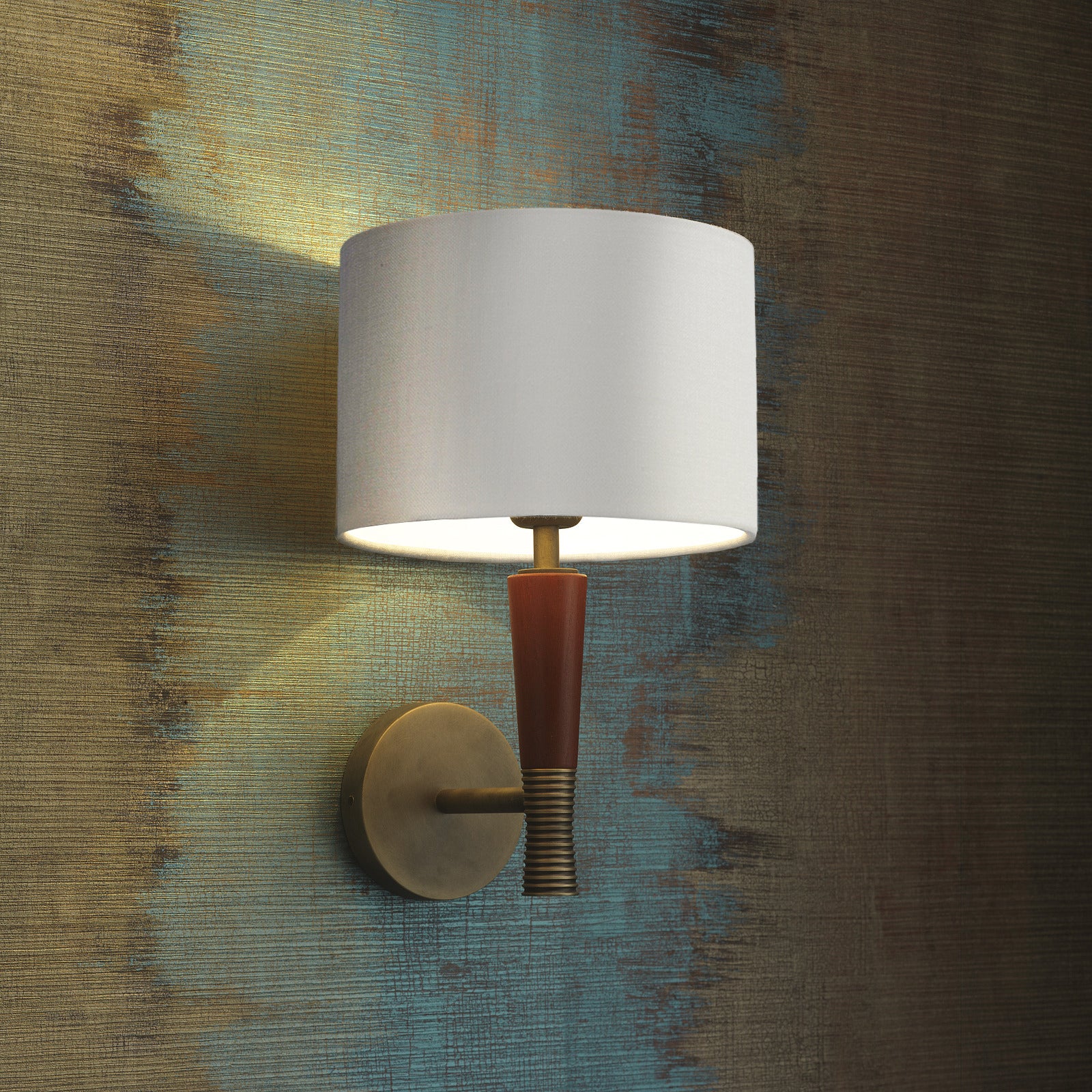
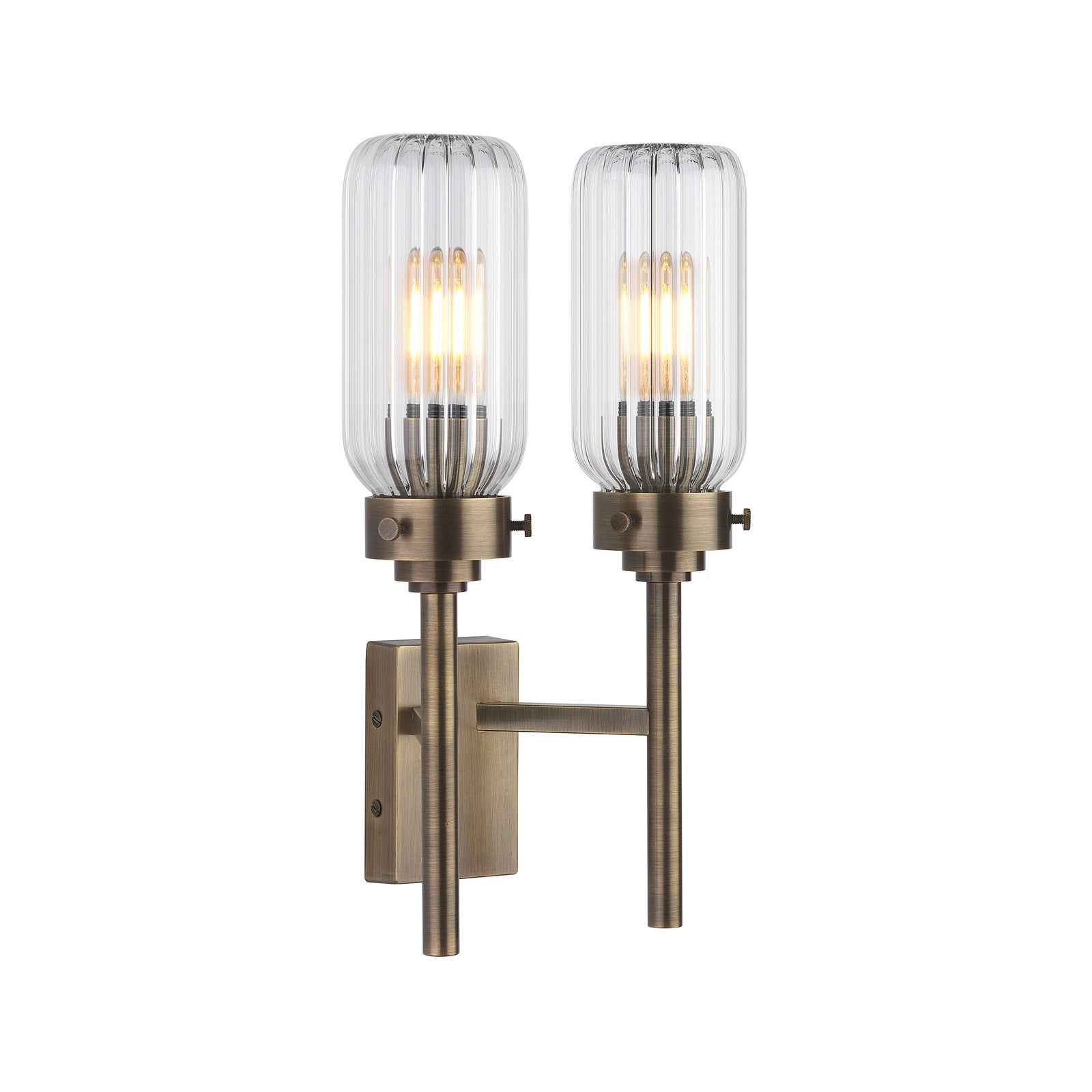
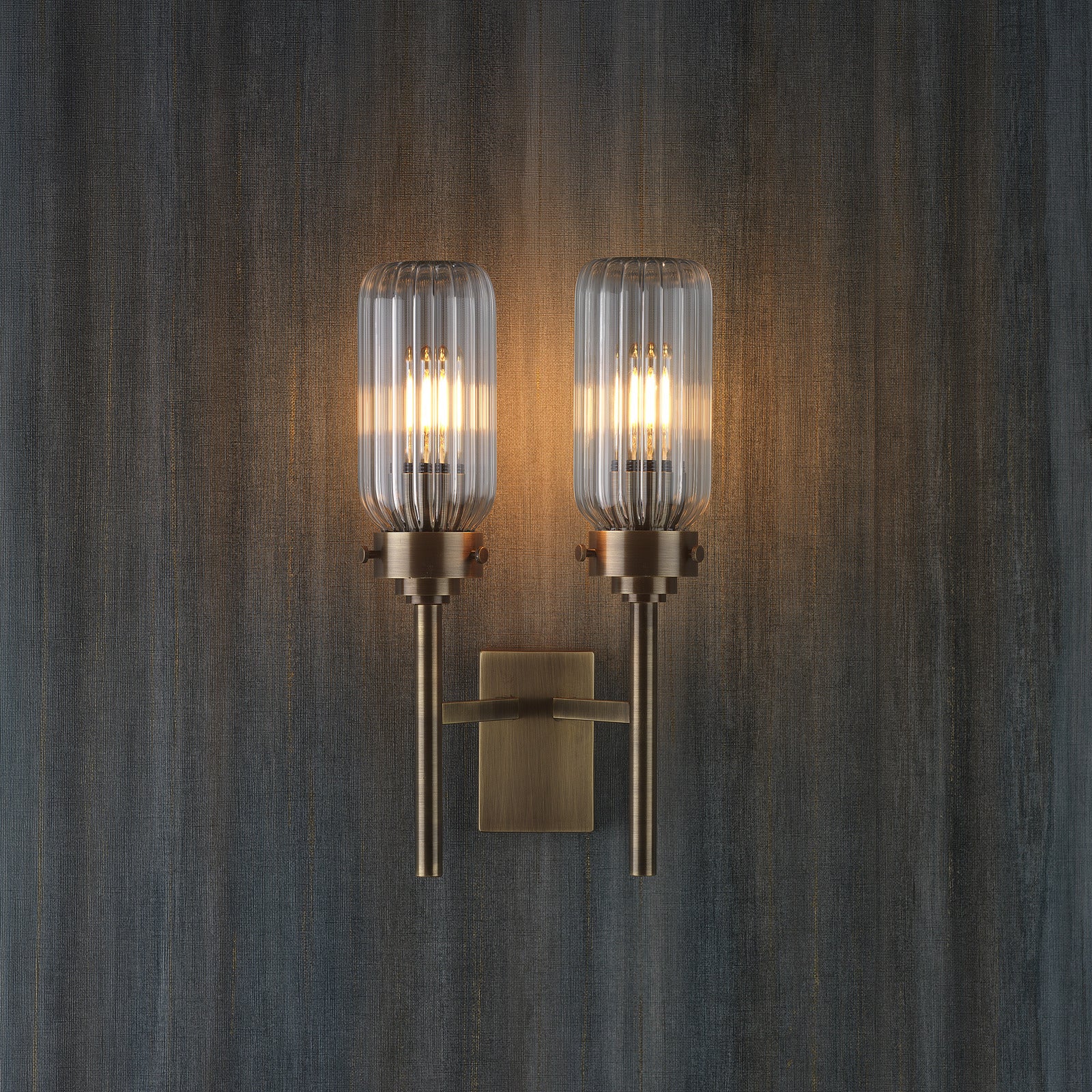
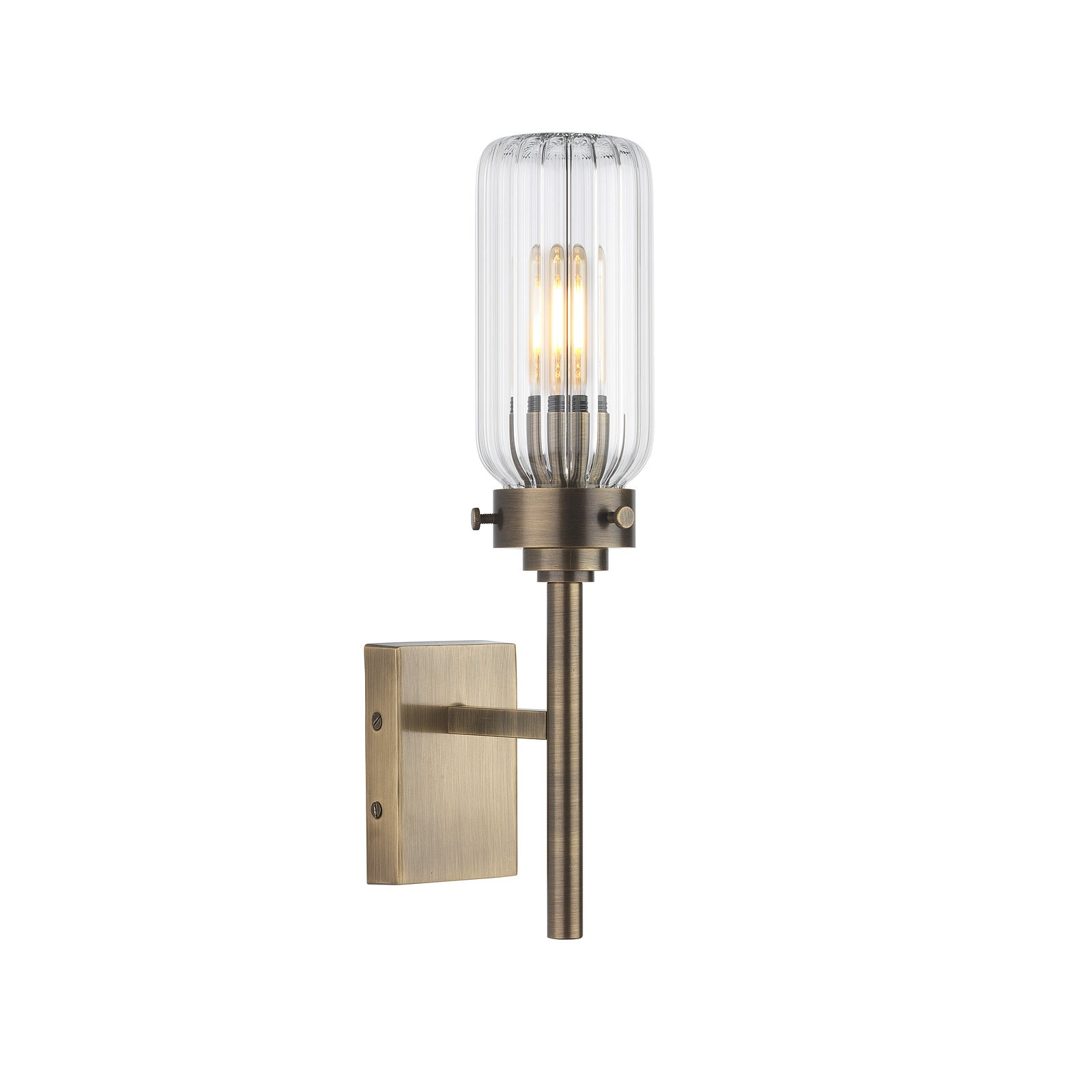
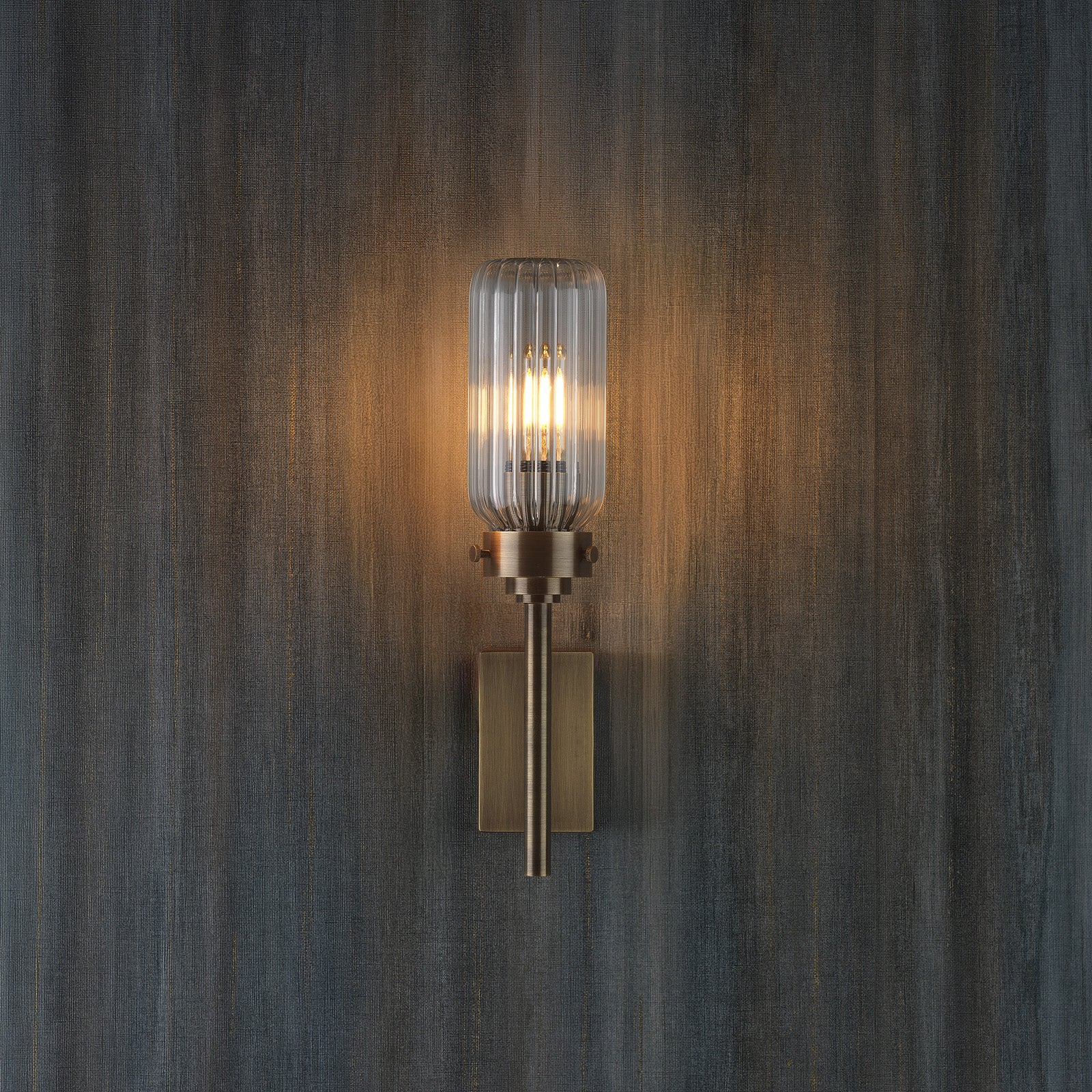
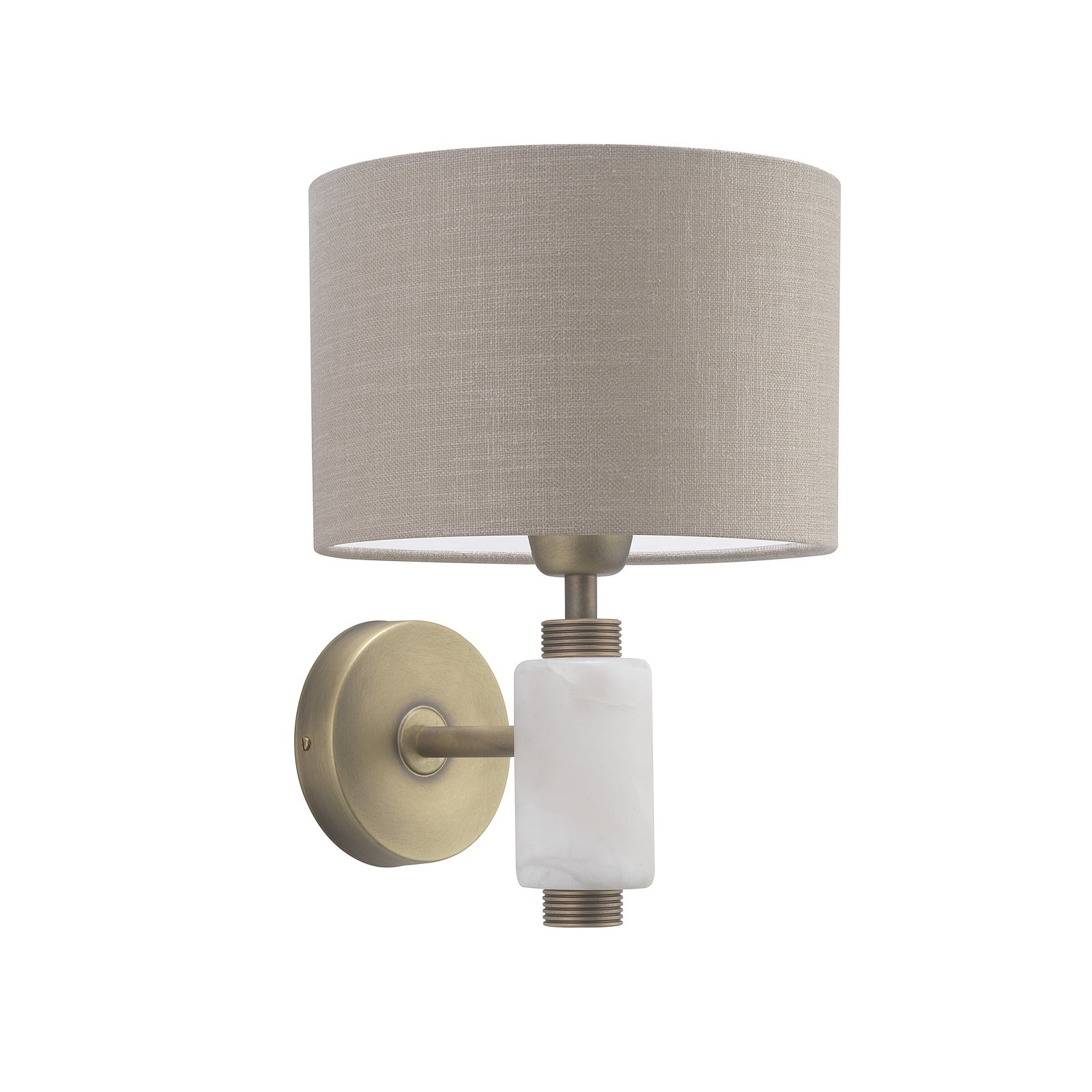
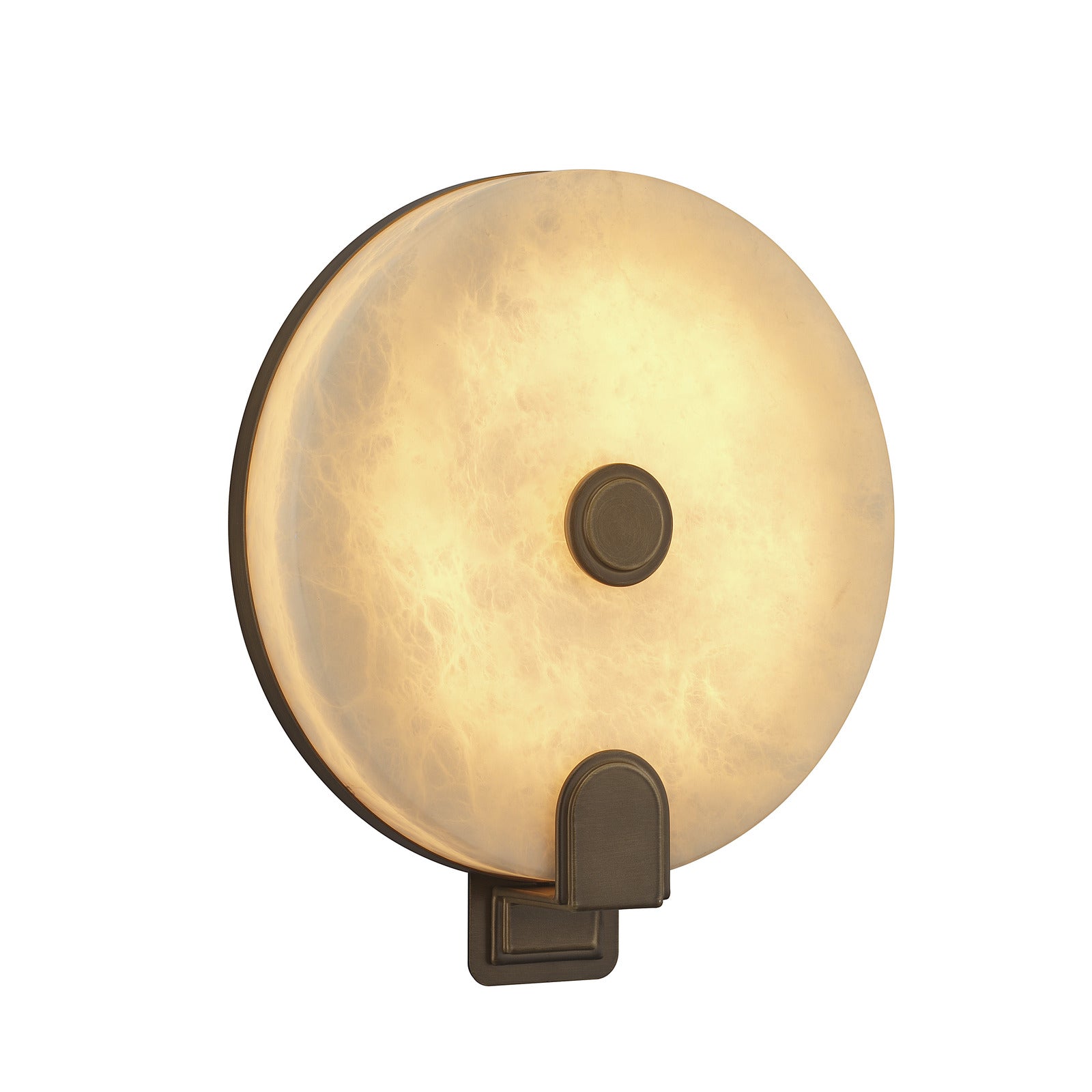
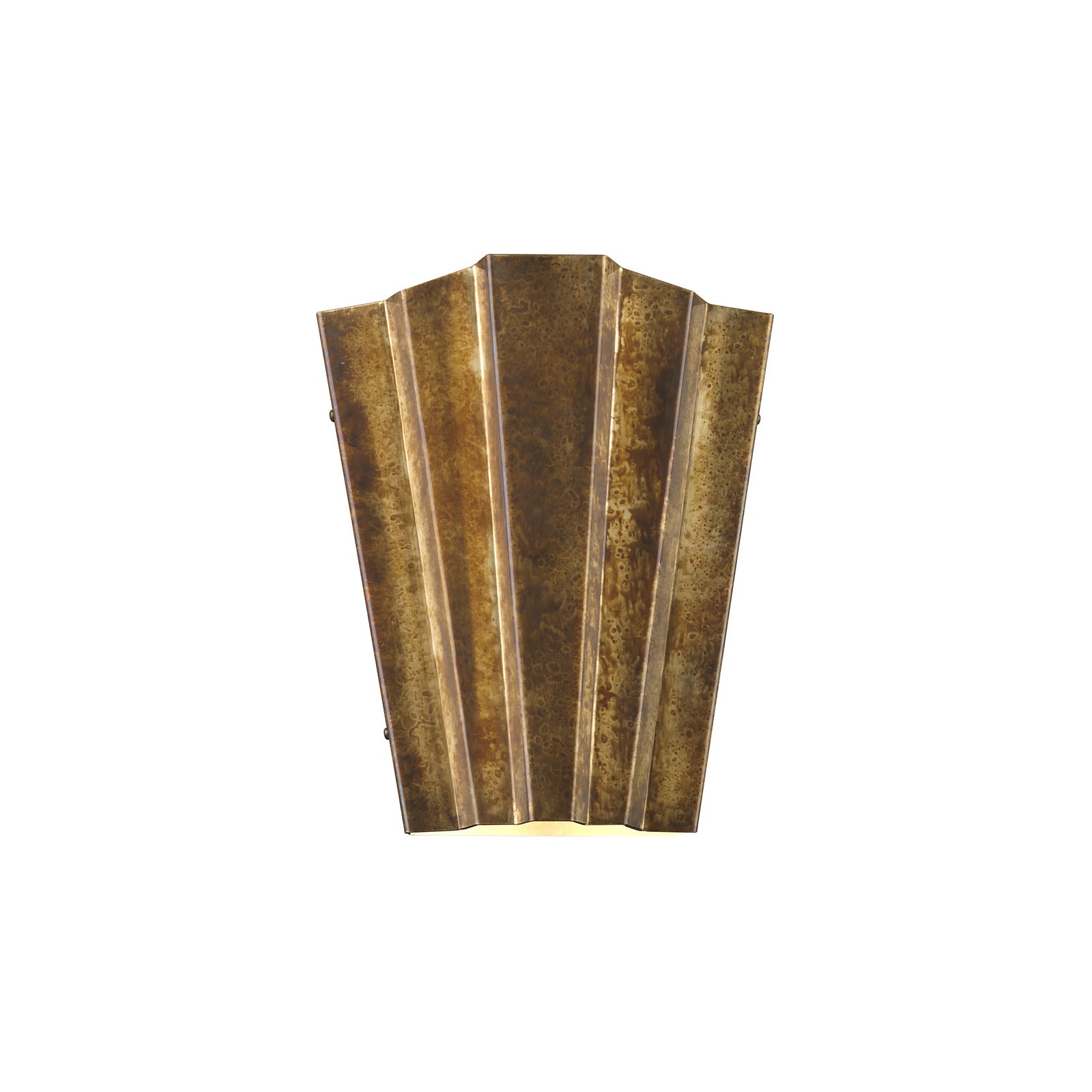
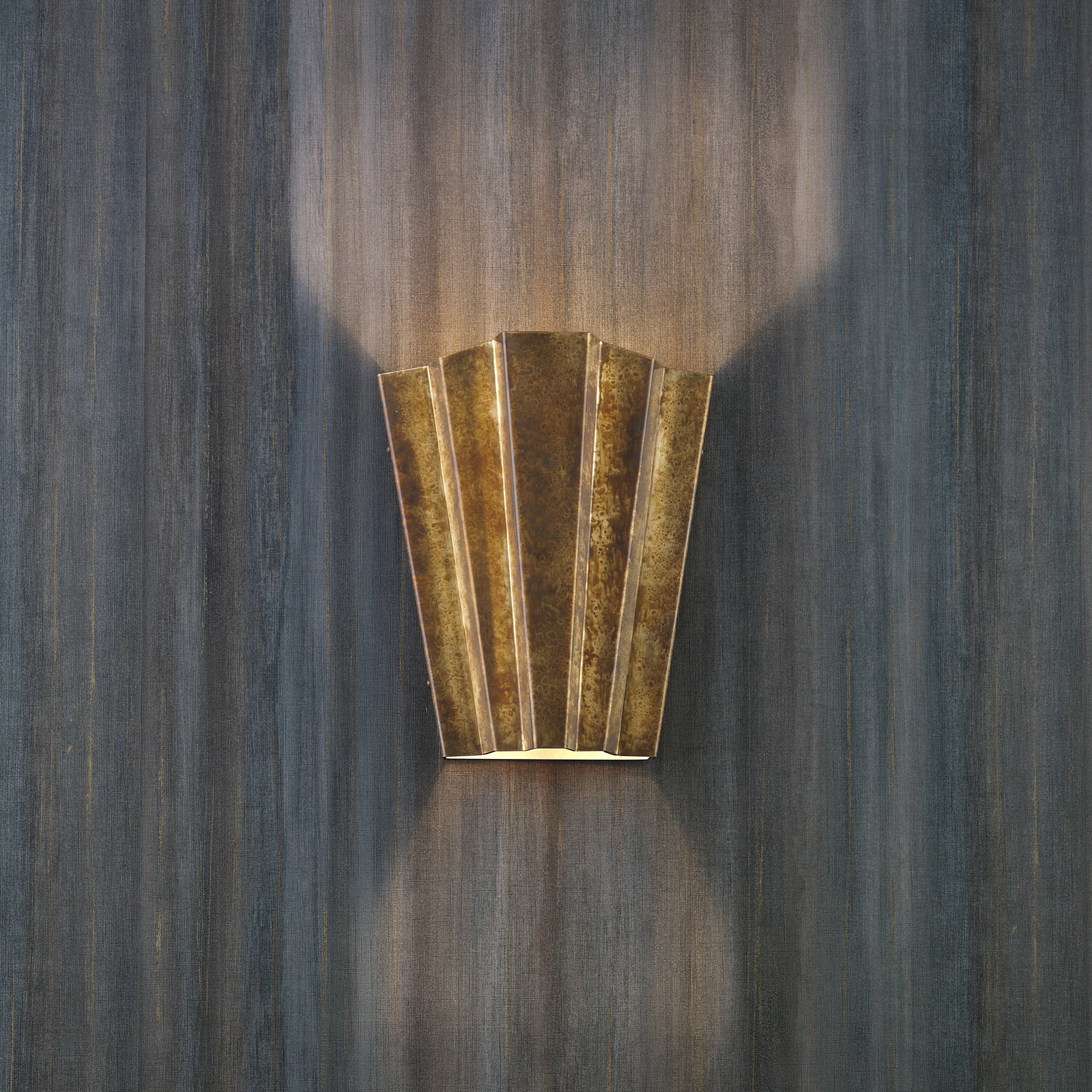
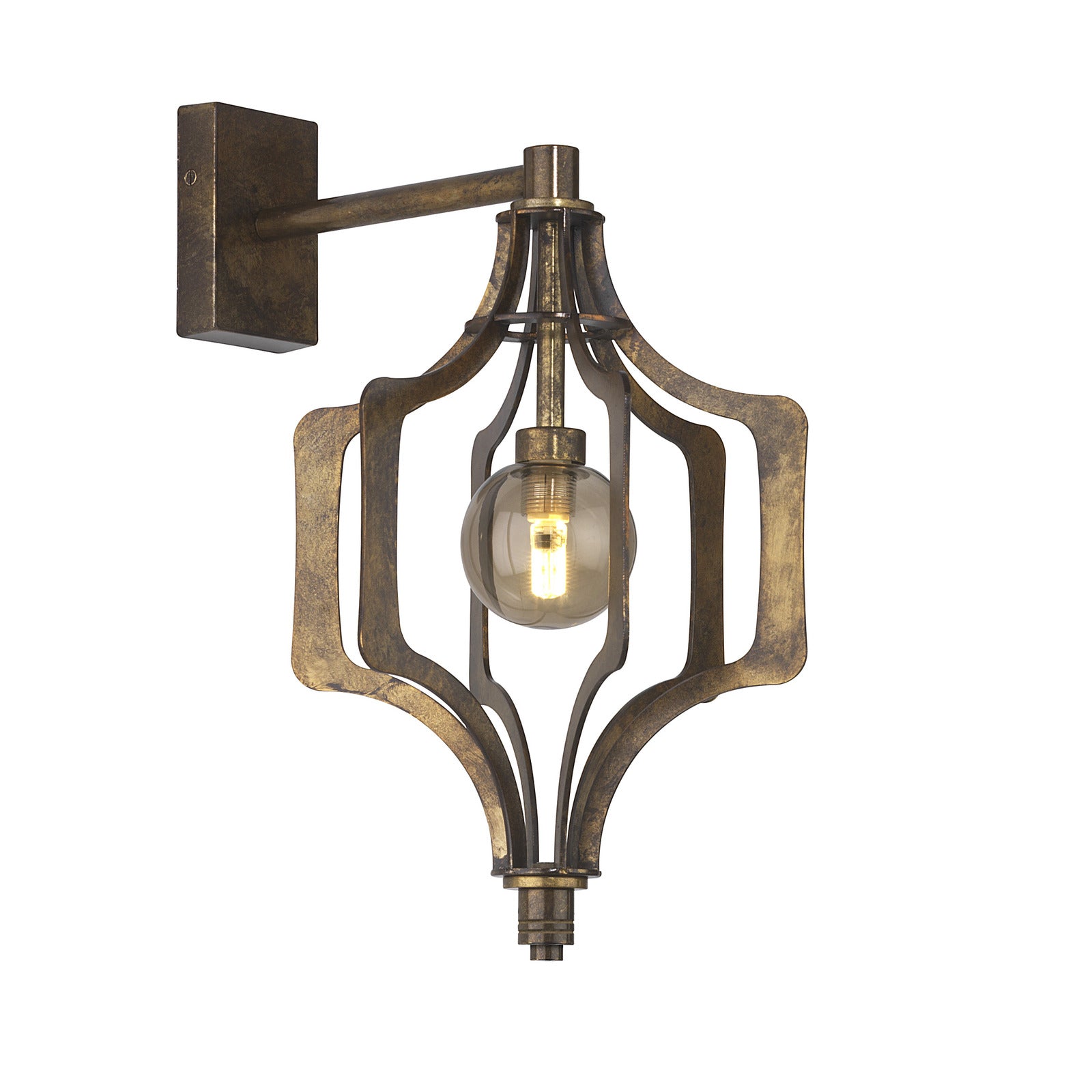
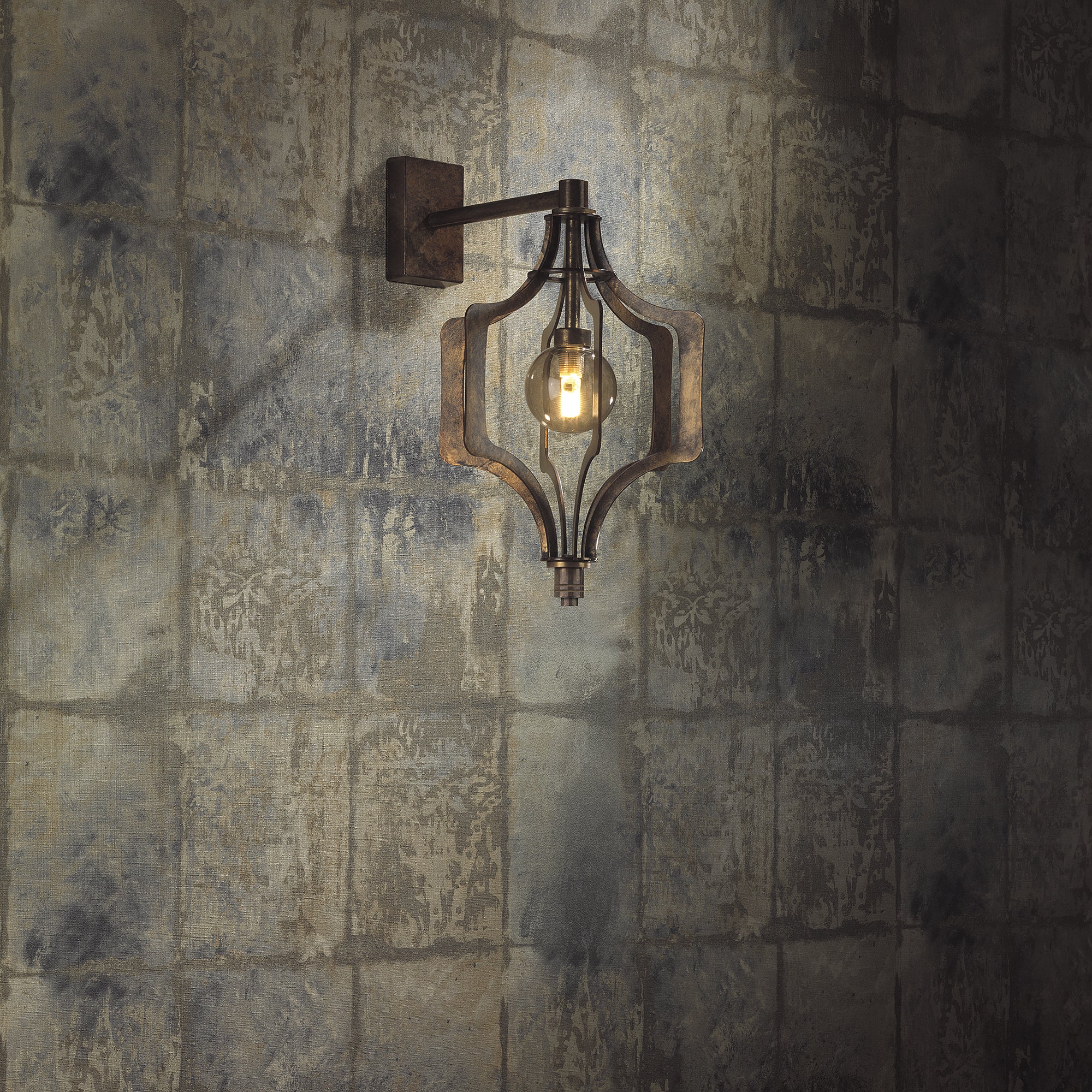
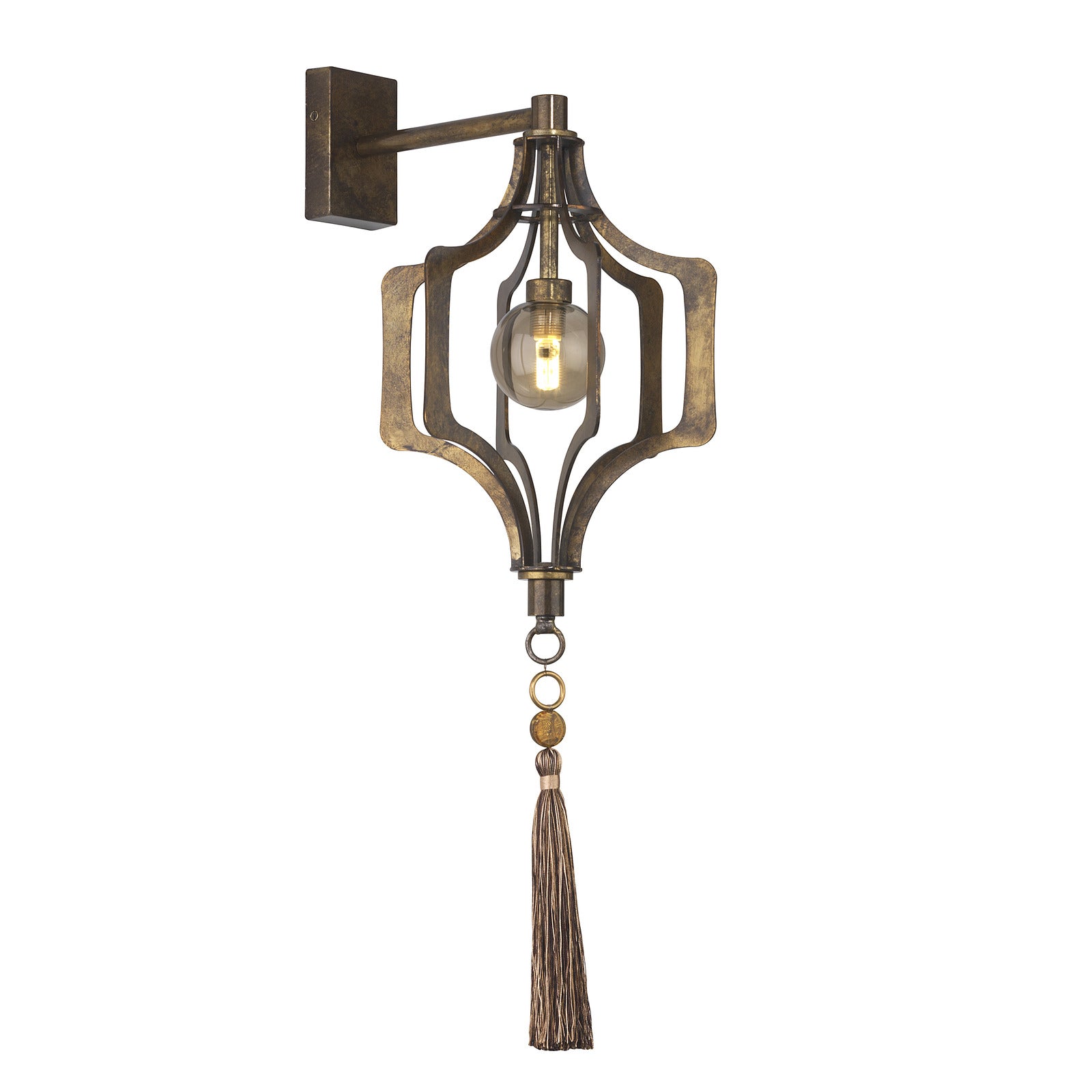
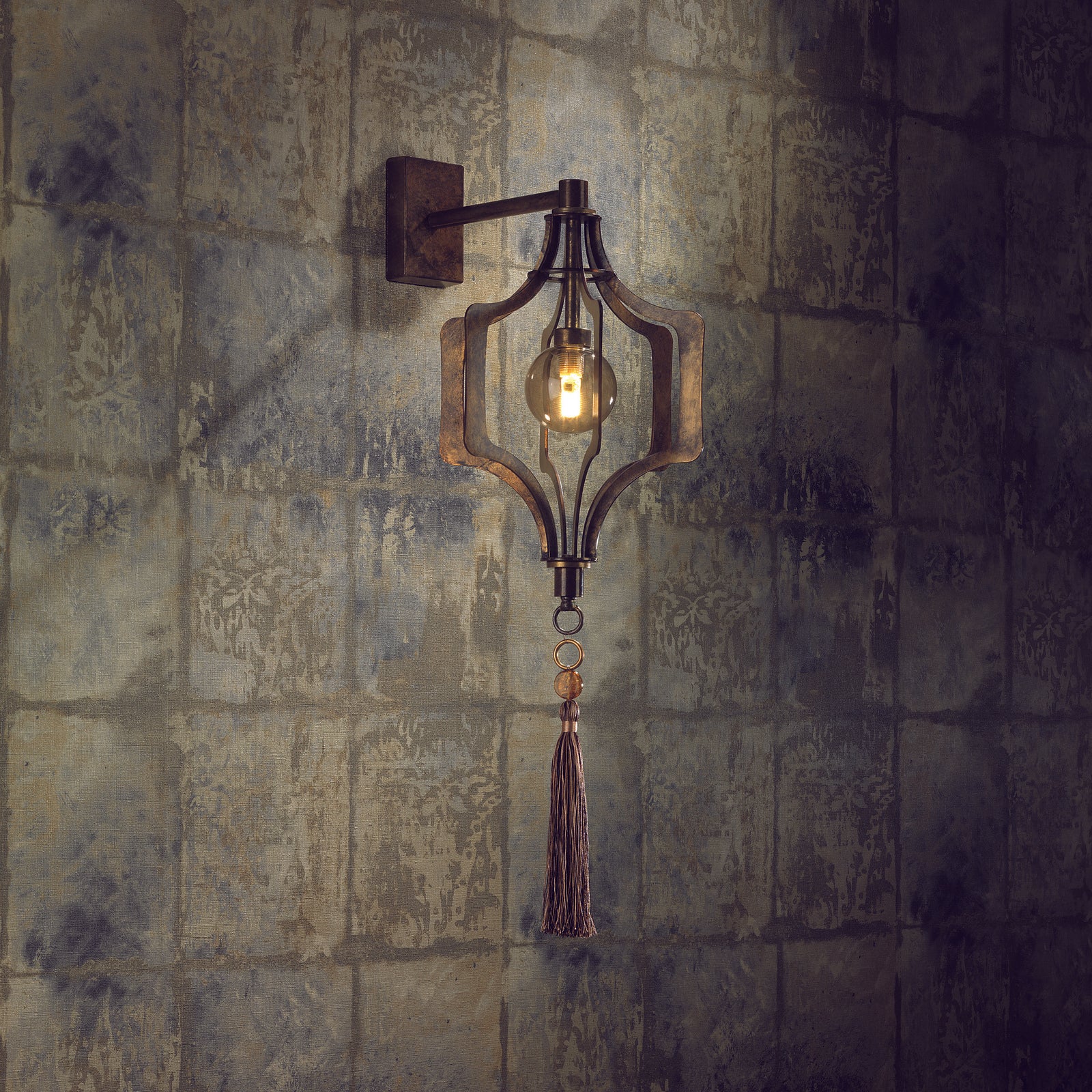
By blending our made to order wall lights with bespoke options, we offer a uniquely tailored approach. Our Signature wall lights are crafted in Britain by skilled artisans, with a choice of luxury materials and finishes. From hand-finished bronze wall lights to rich alabaster and solid brass, the collection spans modern and contemporary designs, enhancing interiors with authentic, handcrafted designs.
Filters










Frequently Asked Questions
Our Credentials
Proud to be industry leaders

MADE IN BRITAIN CERTIFIED
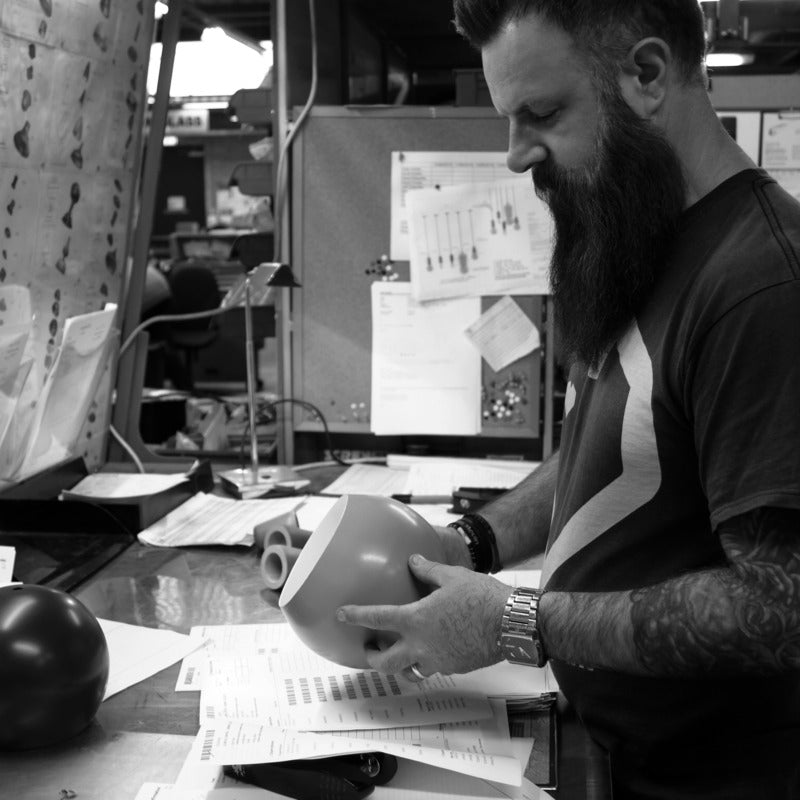
Our collections are handcrafted in Britain by expert artisans

ISO9001 CERTIFED
Certified to stringent quality standards

manufacturer top 100
Recognized for our unwavering commitment to innovation & quality

ul certification
We work with UL Solutions for third-party certification on selected products to comply with standards in North America and Canada

DESIGN AWARD FINALIST
Shortlisted for our modular Breuer chandelier

LIA MEMBER
Committed to achieving excellence in design, specification & performance

BRIT LIST 2024
Shortlisted for the 2022, 2023 & 2024 Brit List awards for products & projects

CSI member
Providing solutions for the global cruise interiors industry
GET INSPIRED
Newsletter Sign Up
Please tick below if you are a trade professional or a consumer, for tailored inspiration